




U.S. Stocks Decline Amid Rising Middle East Tensions
The U.S. stock market experienced a notable decline on Monday afternoon, driven primarily by escalating tensions in the Middle East. Investors reacted cautiously as geopolitical concerns took center stage, influencing market sentiment and causing apprehension in trading dynamics. With major stock indexes retreating into the red, this latest market movement reflects how international conflicts can significantly impact domestic financial landscapes.
The Impact of Geopolitical Events on Financial Markets
A resurgence of conflict in the Middle East has intensified worries over supply stability, particularly in the energy sector. As news regarding the Iranian conflict emerged, concerns surged about potential disruptions to oil supplies. Consequently, energy prices soared, causing a ripple effect throughout the stock market as investors sought safer assets, leading to a bearish sentiment across major indexes.
Energy Prices Surge
The sudden spike in oil prices unsettled many investors. As energy stocks surged, reflecting the rising costs of crude, other sectors, particularly those linked to consumer goods and technology, faced downward pressure. Transportation and manufacturing industries are particularly vulnerable to energy price fluctuations, which can lead to increased operational costs and lower profit margins, thus raising flags for investors.
Bitcoin and Alternative Investments Gain Traction
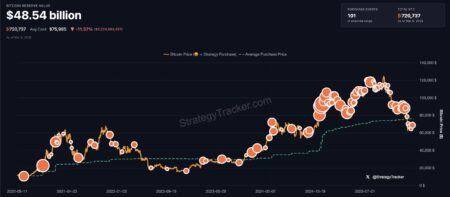
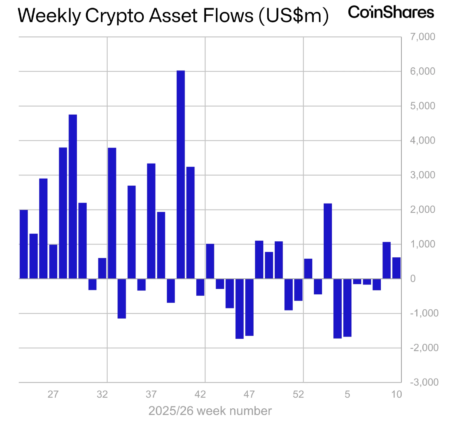
Interestingly, amidst the chaos in traditional equity markets, Bitcoin and other cryptocurrencies witnessed gains. As investors grapple with stock market volatility and geopolitical uncertainties, many are turning to digital assets as alternative investments. The cryptocurrency’s rise highlights how speculative markets can thrive even when traditional markets falter. This shift underscores a changing narrative in investment strategies, focusing on resilience against external shocks.
Wall Street Response to Market Conditions
By late afternoon, Wall Street showed a broad decline. The major indexes, including the S&P 500 and NASDAQ, registered steep declines as investors adjusted their portfolios in response to the unfolding situation. Analysts believe that the current climate underlines the importance of diversification in investment strategies. Stocks that may previously have seemed stable are now perceived as riskier as geopolitical tensions create unforeseen challenges.
Looking Ahead: Market Sentiment and Strategy
With the Middle East conflict showing no immediate signs of resolution, investors may remain cautious in the short term. It’s crucial for market participants to monitor geopolitical developments, as they can lead to swift market shifts. In turbulent times, adopting a well-informed strategy encompassing both traditional assets and emerging investments like cryptocurrencies could be beneficial in navigating the complexities ahead.
Conclusion
As the aftermath of rising tensions in the Middle East continues to unfold, U.S. stocks are entering a concerning phase. The interplay between market volatility, energy prices, and alternative investments like Bitcoin demonstrates a rapidly evolving financial landscape. Investors should remain vigilant and adaptable, leveraging diverse strategies to mitigate risks while capitalizing on potential opportunities in both traditional and emerging markets.