




Bitcoin Price Decline Amid Global Turmoil: What Investors Should Know
The cryptocurrency market is experiencing notable volatility, with Bitcoin (BTC) recently witnessing a price decline after a brief rally. As of now, BTC has fallen 1.87% to approximately $66,010, marking a significant 10% drop from its recent high of $73,500 on March 5. This decline appears to align with the analysis of research firm CryptoQuant, which categorizes last week’s brief surge as merely a "relief rally," rather than the start of a new bullish trend. The recent pullback in Bitcoin’s price highlights the cryptocurrency’s sensitivity to broader macroeconomic factors, particularly elevated geopolitical risks and rising oil prices.
The Impacts of Rising Oil Prices on Bitcoin
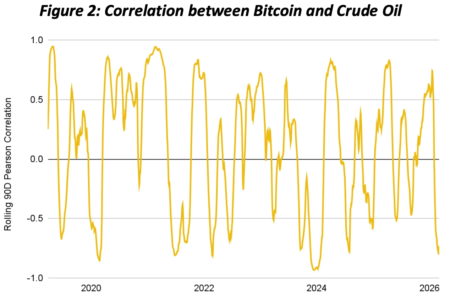
The price of crude oil recently surged past $110 per barrel—up a staggering 22% in a single day and rising 72% over the past month. The spike in oil prices is largely attributed to ongoing geopolitical tensions in the Middle East. As U.S. President Donald Trump pointed out, this surge may be a "very small price to pay," anticipating stabilization once the threat posed by Iran is addressed. However, the rapid increase in oil prices is fueling concerns about inflation that could adversely affect global economic growth. The interplay between rising oil prices and Bitcoin’s price is essential for investors to understand, as market analysts suggest that such inflation concerns are contributing to Bitcoin’s recent downturn. Despite this, BTC has shown resilience compared to past bear markets, likely due to an increased presence of institutional investors.
Stock Market Reactions to Geopolitical Events
The rise in oil prices has had a direct impact on major Asian stock markets, particularly those relying heavily on crude oil imports. For instance, Japan’s Nikkei index plummeted 7% at Monday’s market opening, and similar declines were observed in South Korea’s KOSPI (down 7.9%) and Hong Kong’s Hang Seng Index (down 2.7%). The Shanghai Composite Index also fell by 1.4%. This correlation between Bitcoin and stock performance is indicative of a broader trend in which cryptocurrencies are becoming increasingly sensitive to geopolitical developments. A recent analysis from The Block highlights an 88% correlation between Bitcoin and the Nasdaq Composite, underscoring how intertwined these asset classes have become in current market conditions.
What Investors Should Monitor Moving Forward
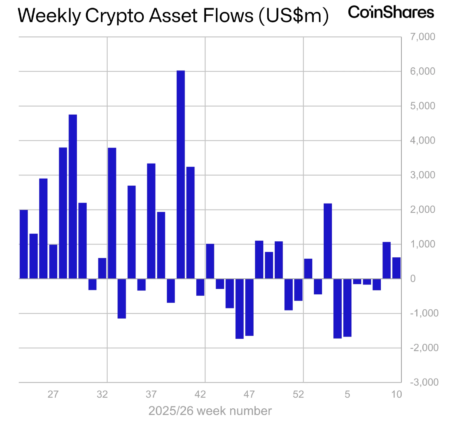
For investors keen on tracking Bitcoin’s trajectory, a couple of key indicators should be watched closely. Currently, Bitcoin is hovering around $65,000, which serves as a near-term support level. Conversely, the $68,000-$69,000 range acts as a crucial resistance zone. Analysts from Zeus Research suggest that breaking above this resistance could restore some bullish momentum for Bitcoin. Investors should also observe Bitcoin exchange-traded fund (ETF) flows, which have recently seen net outflows totaling $576.6 million over the last Thursday and Friday. Such outflows could further pressure the price of Bitcoin in the short term.
Future Catalysts for Bitcoin Recovery
Several potential catalysts could impact Bitcoin’s price positively in the near future. These include continued inflows into Bitcoin ETFs, clearer regulatory frameworks for cryptocurrencies, and improving macroeconomic liquidity—especially if central banks begin easing monetary policies. These factors could attract more institutional investment into the cryptocurrency space. Additionally, the upcoming U.S. consumer price index report and initial jobless claims will be critical in assessing the current inflation landscape, which could also influence market sentiment. Investors need to stay informed about these economic indicators, as they will provide crucial insights into the direction of Bitcoin prices.
Navigating the Current Investment Landscape
In summary, the price of Bitcoin is currently experiencing volatility influenced by geopolitical tensions and rising oil prices. Investors should remain cautious and aware of the multitude of factors impacting the cryptocurrency market. While Bitcoin has shown some resilience, the established correlation between its price and broader equity markets becomes increasingly important in the context of current global events. The short-term outlook remains uncertain, particularly as geopolitical situations develop and inflation concerns grow. For those looking to navigate this tumultuous landscape, a keen eye on market trends and economic indicators will be crucial in making informed investment decisions.
In conclusion, the current dynamics within the cryptocurrency market highlight the intricate relationship between Bitcoin and various external factors, including inflationary pressures and geopolitical risks. As the situation evolves, investors should remain vigilant and continue analyzing data to guide their strategies in this ever-changing landscape.