



ETHZilla Shifts Focus to Real-World Asset Tokenization After Strategic Ether Sale
In a significant pivot less than six months after transitioning to an Ethereum-based digital asset treasury (DAT), ETHZilla announced its new strategy: real-world asset (RWA) tokenization. Following the sale of $74.5 million in ether (ETH) to service debts, the company, formerly known as 180 Life Sciences, aims to redefine its financial maneuvers, indicating a bold move away from pure crypto investment strategies.
The transition comes after ETHZilla opted to liquidate 24,291 ETH, approximately $74.5 million, as part of redeeming outstanding senior secured convertible notes. The firm emphasized that this sale is pivotal in managing its financial obligations and reallocating capital towards its new venture. With this recent liquidation, ETHZilla’s total holding stands at about 69,802 ETH, valued at around $207 million, although the company has previously sold hints of its crypto holdings. Notably, in October, it divested another $40 million in ETH as part of a $250 million stock repurchase initiative.
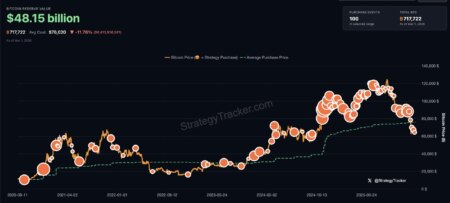
ETHZilla’s previous trajectory saw it entering into a $425 million private investment in public equity (PIPE) agreement with over 60 investors in July, marking its commitment to building a digital asset treasury. Amid a burgeoning interest from smaller-cap Nasdaq companies to accumulate cryptocurrencies, the push for replicating successful strategies like Michael Saylor’s BTC-based DAT weighed heavily on the firm’s initial direction. However, it appears ETHZilla is shifting gears once more, signaling a departure from prioritizing ETH accumulation.
Looking ahead, ETHZilla outlined an ambitious outlook focused on generating revenue and cash flow through its RWA tokenization efforts. This innovative strategy encompasses the tokenization of diverse assets, including auto loans, manufactured home loans, aerospace equipment, and real estate. By venturing into RWA, ETHZilla seeks to merge traditional asset classes with blockchain technology, creating a streamlined and efficient market environment.
Simultaneously, the firm indicated a reduction in transparency regarding its digital asset treasury, a move likely to stir varied reactions among investors accustomed to its previous disclosure standards. ETHZilla announced that it would discontinue its mNAV dashboard, a tool providing insights on the company’s market capitalization relative to its net assets. Instead, the company plans to offer periodic balance sheet updates, which may pose questions for investors seeking clarity on its cryptocurrency performance.
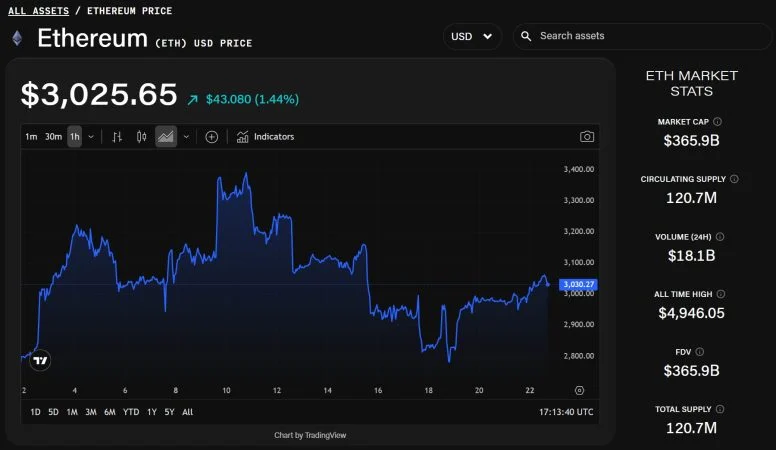
Following these changes, ETHZilla’s stock experienced significant volatility. In August, news of tech billionaire Peter Thiel’s investment in the DAT propelled its shares upwards by over 90%. However, after the recent announcements, shares dipped nearly 4% to $6.64. It’s worth noting that Ethereum itself has faced a downturn, trading around $3,000 and reflecting a nearly 30% drop in value over the last three months.
As ETHZilla positions itself amidst these shifts, the broader implications for the crypto market and traditional assets converging via tokenization remain to be seen. The company’s reallocation of resources towards RWA could set a precedent in bridging the gap between conventional finance and the burgeoning world of digital assets, marking a new chapter in its evolving business narrative.