




Bitcoin’s Stability: Insights from Michael Saylor on Quantum Risks and Market Dynamics
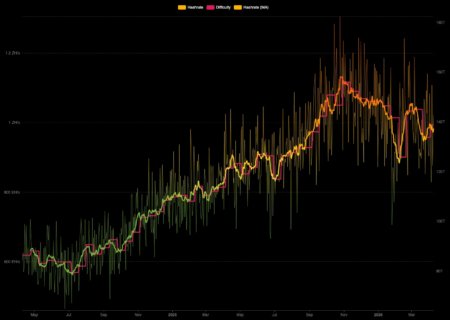
Bitcoin, the leading cryptocurrency, has attracted varied opinions regarding its current market state and future prospects. Recently, Michael Saylor, executive chairman of MicroStrategy (MSTR), suggested that Bitcoin may have already found its floor, hinting at significant underlying market dynamics. At a Mizuho investor event, Saylor declared that Bitcoin likely bottomed around $60,000, driven more by selling pressure from over-leveraged miners rather than a deterioration in market sentiment. Understanding these elements is crucial for investors and enthusiasts seeking to navigate the evolving cryptocurrency landscape.
Saylor’s perspective hinges on a familiar market pattern wherein downturns are resolved not by improving sentiment but through the exhaustion of forced sellers. In this case, over-leveraged miners and weaker market participants liquidated their holdings, contributing to a notable price drop. Saylor believes that as this excess supply gets absorbed, the market’s balance will shift, potentially bolstering Bitcoin’s price. This cycle of selling and absorbing creates an environment where the demand for Bitcoin appears to be gradually strengthening, which could set the stage for future price increases.
One of the supportive factors Saylor points to is the demand from Bitcoin exchange-traded funds (ETFs), along with improving liquidity expectations. As institutional interest in Bitcoin continues to grow and corporate treasury allocations become more pronounced, Saylor argues that these factors are likely to limit further downside price action. The accumulation of stronger market players contrasts starkly against the backdrop of previous sell-offs, resulting in a scenario that Saylor describes as asymmetrical; essentially, where there is less incremental selling pressure and a building demand.
As of the recent trading data, Bitcoin has been observed fluctuating around $71,200, indicating a measure of stability amid ongoing geopolitical tensions, particularly in the Middle East. This scenario highlights the intricate interplay between external factors and the cryptocurrency’s internal dynamics. Investors should remain vigilant, as price movements can be influenced by a myriad of conditions beyond just market sentiment and supply-demand balances.
Moving away from market dynamics, Saylor also addressed concerns related to quantum computing and its potential to disrupt Bitcoin’s cryptographic foundation. Many in the financial world have raised alarms about the risks posed by quantum advancements, but Saylor seems unfazed. He believes that any credible threats from quantum computing are manageable and that they would emerge gradually, allowing Bitcoin’s network to adjust accordingly. The open-source nature of Bitcoin means that developers could implement quantum-resistant upgrades well ahead of any potential threats becoming reality.
Opinions on quantum computing risks vary widely within the industry. Some analysts, including those at Bernstein and Benchmark, suggest that the concern is overblown, viewing the transition to new cryptographic standards as a manageable upgrade cycle rather than an imminent crisis. However, contrasting views from researchers at Google suggest that advancements in quantum computing might arrive sooner than anticipated. This debate indicates a need for proactive measures within the cryptocurrency ecosystem to prepare for changes while balancing the present opportunities that Bitcoin presents.
As we navigate the landscape of cryptocurrency, it’s crucial to consider both the market dynamics that influence Bitcoin, as discussed by Saylor, and the technological issues, such as quantum computing risks, that could impact its future. Investors who are well-informed about these factors can better position themselves to capitalize on Bitcoin’s potential for growth while protecting against possible risks. With corporate adoption on the rise and ongoing discussions among industry experts, the future of Bitcoin remains an exciting area to watch.
Conclusion
In conclusion, Bitcoin appears poised for potential growth, with market mechanisms shifting favorably as excess supply clears and demand builds. Michael Saylor’s insights into the cryptocurrency’s price movements and the manageable risks posed by quantum computing underscore a complex and evolving landscape. For investors, understanding these dynamics is essential to navigate Bitcoin’s future successfully. The cryptocurrency’s adaptability and the growing institutional interest present significant opportunities, even amidst discussions of imminent technological challenges. As Bitcoin continues to mature as a digital asset, staying informed about both its market behavior and technological underpinnings will be crucial for all stakeholders involved.