



FCA Seeks Input on UK Crypto Regulation: Key Insights
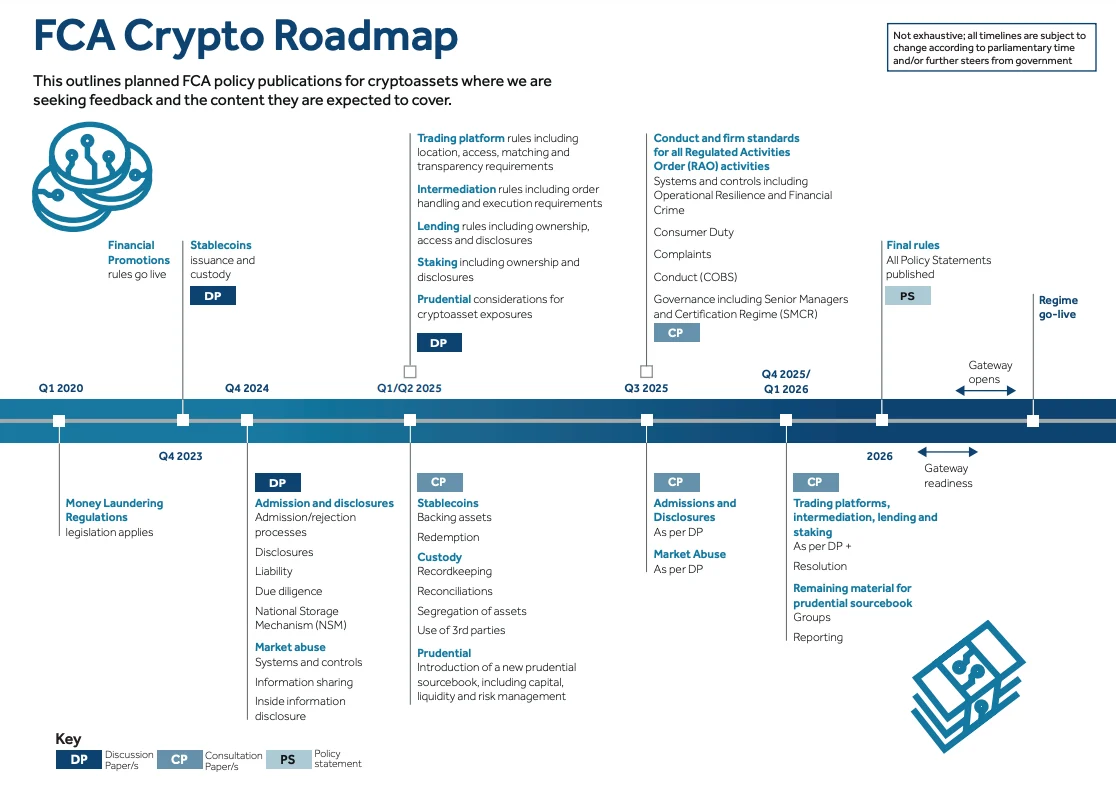
The Financial Conduct Authority (FCA) of the UK is looking to gather perspectives on its interpretation of various regulated activities in the digital asset space. This latest consultation is part of the FCA’s evolving crypto roadmap, focusing on critical areas such as stablecoin issuance, trading platforms, custody, and staking. With the consultation closing on June 3, 2026, the FCA encourages individuals, firms, industry groups, policymakers, and academics to contribute their insights. Notably, crypto firms can start applying for FCA authorization beginning September 30, 2026, marking a significant advancement in establishing a regulatory framework for cryptocurrencies in the country.
The FCA’s initiative is a crucial step towards creating a comprehensive UK crypto regulatory regime. In February, the Financial Services and Markets Act 2000 (Cryptoassets) Regulations 2026 was introduced to include various crypto asset activities within the FCA’s regulatory scope. The agency has previously sought feedback on several topics, including stablecoin regulations and crypto custody, as well as outlining prudential rules, disclosures, and measures against market abuse. Looking ahead, the FCA plans to address decentralized finance (DeFi) operations and operational resilience for firms utilizing distributed ledger technology, signaling a broadening of its approach to encompass modern digital asset activities.
The FCA has made it clear that until the new regulatory framework becomes effective, the crypto sector remains largely unregulated, except in the contexts of financial promotions and anti-money laundering measures. This lack of comprehensive regulation has raised concerns among stakeholders in the crypto space, emphasizing the need for a detailed and structured regulatory environment. The FCA’s positive statement regarding upcoming policy clarifications and the timeline for finalizing the consultation is a sign of progress and indicates its commitment to fostering a secure and well-regulated market for digital assets.
A Phased Approach to Crypto Regulation
The UK’s regulatory strategy for digital assets has been notably phased, reflecting the complexity of integrating cryptocurrencies into existing financial frameworks. Starting with anti-money laundering oversight in 2020 and progressively expanding its scope, the UK has made critical moves, such as banning the sale of crypto derivatives to retail consumers in 2021 and extending financial promotion regulations to crypto assets earlier this year. This step-by-step approach is designed to ensure consumer protection while facilitating the growth of the digital asset industry within a robust regulatory environment.
However, some industry professionals have expressed concern over the UK’s perceived slow pace in establishing a comprehensive regulatory framework as compared to Europe. Thomas Cattee, a white-collar crime partner at Gherson Solicitors LLP, contends that the UK is lagging behind its European counterparts in developing a fully enforced framework for cryptocurrency regulation. Nonetheless, he recognizes the significant strides being made and encourages stakeholders to engage actively with the FCA’s ongoing consultative process.
Conversely, some members of the industry view the FCA’s latest consultation as a positive indication of progress. Nick Jones, founder of the decentralized mobile wallet Zumo, praised the consultation as a critical advancement for the industry. He emphasized that proactive firms could begin preparations for compliance with the forthcoming regulations. According to Jones, the FCA’s structured approach allows for a predictable regulatory landscape, positioning the UK favorably compared to other jurisdictions experiencing chaotic regulatory shifts.
The Need for Compliant Infrastructure
As the regulatory framework solidifies, the development of compliant infrastructure becomes paramount for organizations looking to thrive in the UK crypto market. Firms must ensure that they can meet the expected regulatory obligations while catering to an evolving consumer landscape. Jones notes that the current industry focus should be on establishing infrastructures capable of supporting these new operational requirements, thereby acting as a bridge to the UK market.
The FCA’s roadmap continues to evolve, providing clarity on various facets of digital asset operations. It is essential that firms not only comply with existing regulations but also prepare for future changes. Given the dynamic nature of cryptocurrency and blockchain technology, flexible and adaptive business strategies will be pivotal for long-term success.
Conclusion
In summary, the FCA’s latest consultation signifies an essential chapter in the UK’s journey toward comprehensive crypto regulation. With emphasis on safe practices and consumer protection, the phased approach being undertaken aims to create an orderly market environment for digital assets. Although some may argue that the UK is behind in its regulatory efforts, the feedback mechanism established by the FCA seeks to engage stakeholders for a more informed regulatory outcome.
As the timeline for applications and policy clarifications approaches, it is incumbent upon organizations to prepare diligently for the upcoming changes. The landscape of digital assets is rapidly evolving, making it crucial for firms to adapt and innovate while navigating the complexities of compliance and operational guidelines set forth by the FCA. In this context, the dialogue initiated by the FCA is not merely a regulatory requirement but a collaborative opportunity for dialogue that will shape the future of the UK’s digital economy.
As we move toward a more defined regulatory framework, the collaboration between regulatory bodies and crypto firms will be vital in cultivating a thriving financial ecosystem. The proactive contributions from industry stakeholders will undoubtedly influence the effectiveness of the regulations that emerge, ultimately benefitting both the market participants and consumers alike.