

Bitcoin Climbs Amidst Geopolitical Tensions: A Market Analysis
Bitcoin’s recent surge above $74,000 marks a notable rise, driven primarily by institutional inflows and geopolitical tensions influencing cryptocurrency trading alongside traditional assets. Within the past week, Bitcoin has experienced a 7% increase, outperforming Ether, which has risen by approximately 13%. These movements come amidst rising global conflict, particularly concerning Iran, and increased volatility in energy markets. As cryptocurrencies regain traction, discussions are reigniting around Bitcoin’s potential as a safe haven asset.
The Safe Haven Narrative
Analysts highlight Bitcoin’s resilience in the face of geopolitical turmoil. While traditional markets such as equities and gold have faced challenges, cryptocurrencies, particularly Bitcoin and Ether, have seen upward trends. Insights from QCP Capital underline that Bitcoin’s current performance reinforces its narrative as a reliable hedge against geopolitical distress. The disruption caused by rising oil prices and global tensions has intensified the demand for cross-border liquidity, prompting increased activity onchain as investors pivot towards crypto during these uncertain times. Furthermore, new capital inflow is evident in the cryptocurrency ecosystem, with USDC supply recently reaching an all-time high of $81.1 billion.
Institutional Demand on the Rise
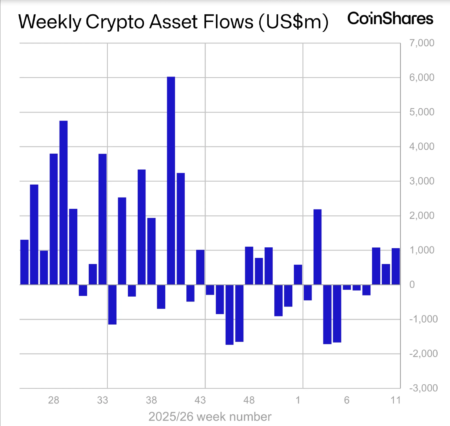
The current market climate showcases a significant uptick in institutional demand for Bitcoin. Data from CoinShares reveals that global crypto exchange-traded products garnered approximately $1 billion in inflows last week, largely propelled by U.S. spot Bitcoin ETFs. Corporations are also ramping up their Bitcoin acquisitions, purchasing it at an approximate rate of 2.8 times that of newly mined supply. This marked increase creates a structural demand gap, prompting a significant shift in balance sheet strategies among publicly traded companies. Firms now hold over 1.15 million BTC, equating to about 5.5% of the total supply, indicating a strategic pivot towards treating Bitcoin as a reserve asset.
Macro Forces and Energy Concerns
While cryptocurrencies appear to thrive, macroeconomic factors play a vital role in overall market dynamics. The current spike in energy prices, driven by geopolitical factors surrounding Iran, has substantial implications for the financial landscape. Crude oil prices recently surpassed $100, and U.S. gasoline prices have reached their highest levels since April 2024. Consequently, the surge in energy costs affects monetary policy discussions, leading markets to adjust expectations for Federal Reserve rate cuts, which could impact inflation dynamics further.
Fragile Market Structure
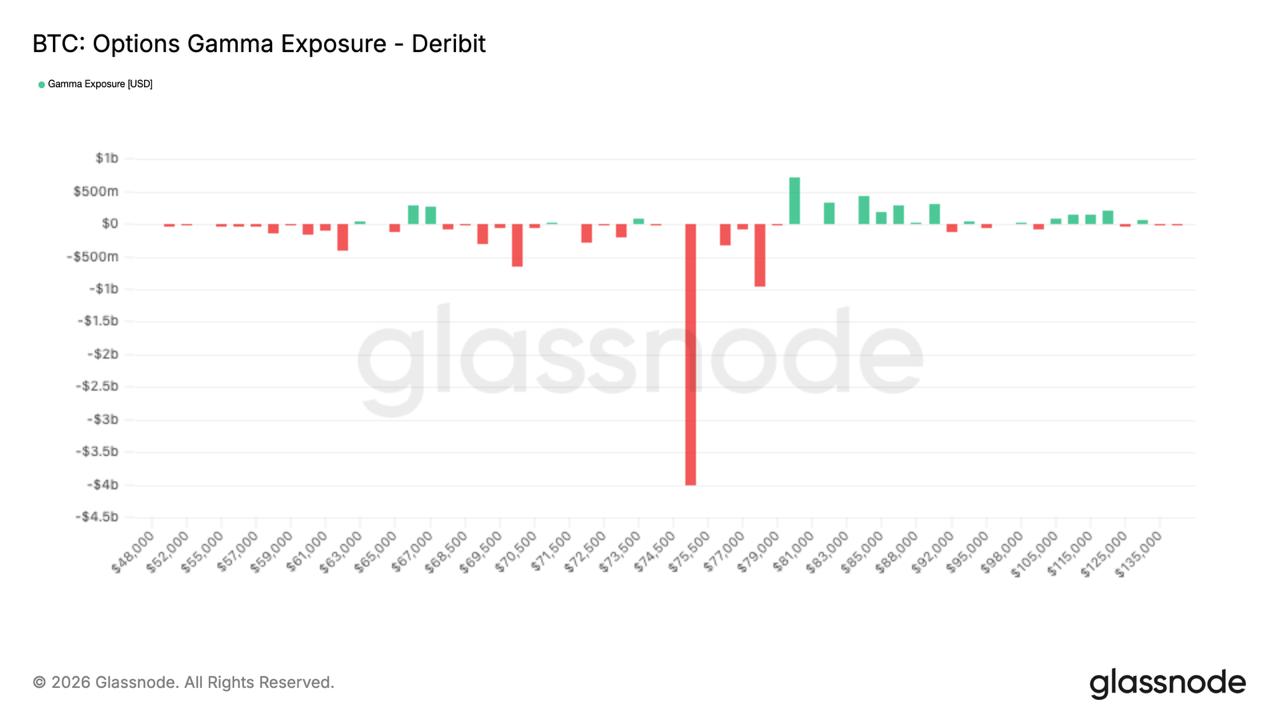
Despite the favorable conditions for Bitcoin, the market structure suggests a potential fragility in this rally. Indicators reveal a thinning liquidity environment across the crypto market since late January, with a considerable number of recent buyers currently incurring losses. Data from Glassnode illustrates that short-term holders experiencing profits remain below 50%, a level generally indicating the early stages of a market recovery. Additionally, attention is shifting toward derivatives positioning as prices near significant levels. The options market shows considerable open interest around the $75,000 strike for March 2026, indicating heightened activity around this pivotal price point.
Accumulation and Volatility Factors
Currently, market trends reflect signs of accumulation rather than euphoria. Buyers seem to be consolidating their positions between $62,000 and $72,000, establishing a demand zone that may influence the next phase of market movement. Nevertheless, limited liquidity and clustered leverage around the $71,000 to $73,500 range may induce further short-term volatility. The forthcoming trading sessions will be crucial; if Bitcoin successfully navigates the dense options positioning near $75,000, it could trigger intensified hedging activities, potentially accelerating the rally. Conversely, a failure to surpass this threshold might lead investors to remain in consolidation mode until more clarity emerges on external geopolitical and macroeconomic conditions.
Conclusion: Navigating Uncertainty in Cryptocurrency Markets
In summary, Bitcoin’s recent performance showcases its potential viability as a safe haven asset amid rising geopolitical tensions and institutional demand. While macroeconomic forces and energy price fluctuations suggest a complicated landscape, the underlying accumulation patterns illustrate a cautious optimism among investors. As the market trends fluctuate, the way Bitcoin interacts with traditional assets could reshape perceptions of cryptocurrencies, reinforcing their role in a diversified investment strategy. Investors and analysts alike are keenly observing how fragmented market signals evolve, anticipating what the future holds for this dynamic digital asset.
This article provides a comprehensive yet focused overview of Bitcoin’s recent market behavior, capturing essential insights for those invested in the cryptocurrency landscape while emphasizing the interplay between geopolitical events and market dynamics.