



The Current Landscape of Bitcoin Mining: Challenges and Market Dynamics
Bitcoin miners are currently grappling with unprecedented challenges, as the operating environment for mining has become the most difficult in the history of the asset. According to BRN, daily potential revenue is now falling below the all-in costs of production, resulting in payback periods that extend beyond the anticipated next halving cycle. While markets experienced a modest rebound following a recent flash crash, the difficulties faced by miners have cast a shadow on the broader cryptocurrency landscape.
Understanding All-in Costs for Bitcoin Mining
The term "all-in cost" encompasses the complete range of expenses associated with mining one unit of Bitcoin (BTC). This concept transcends mere electricity costs; it includes a variety of factors such as power consumption, equipment depreciation, hosting fees, labor, maintenance, and the capital expenditure required for hardware upgrades. As the Bitcoin network becomes more competitive, understanding the "production price" for Bitcoin becomes increasingly crucial for miners. Current data indicates that the potential revenue per petahash (PH/s) of mining power has decreased from approximately $55 in the third quarter to around $35 today. This figure is significantly lower than the $44 median all-in cost reported by major public miners, indicating a tough market for mining operations.
Historic Squeeze and Rising Capitulation Risks
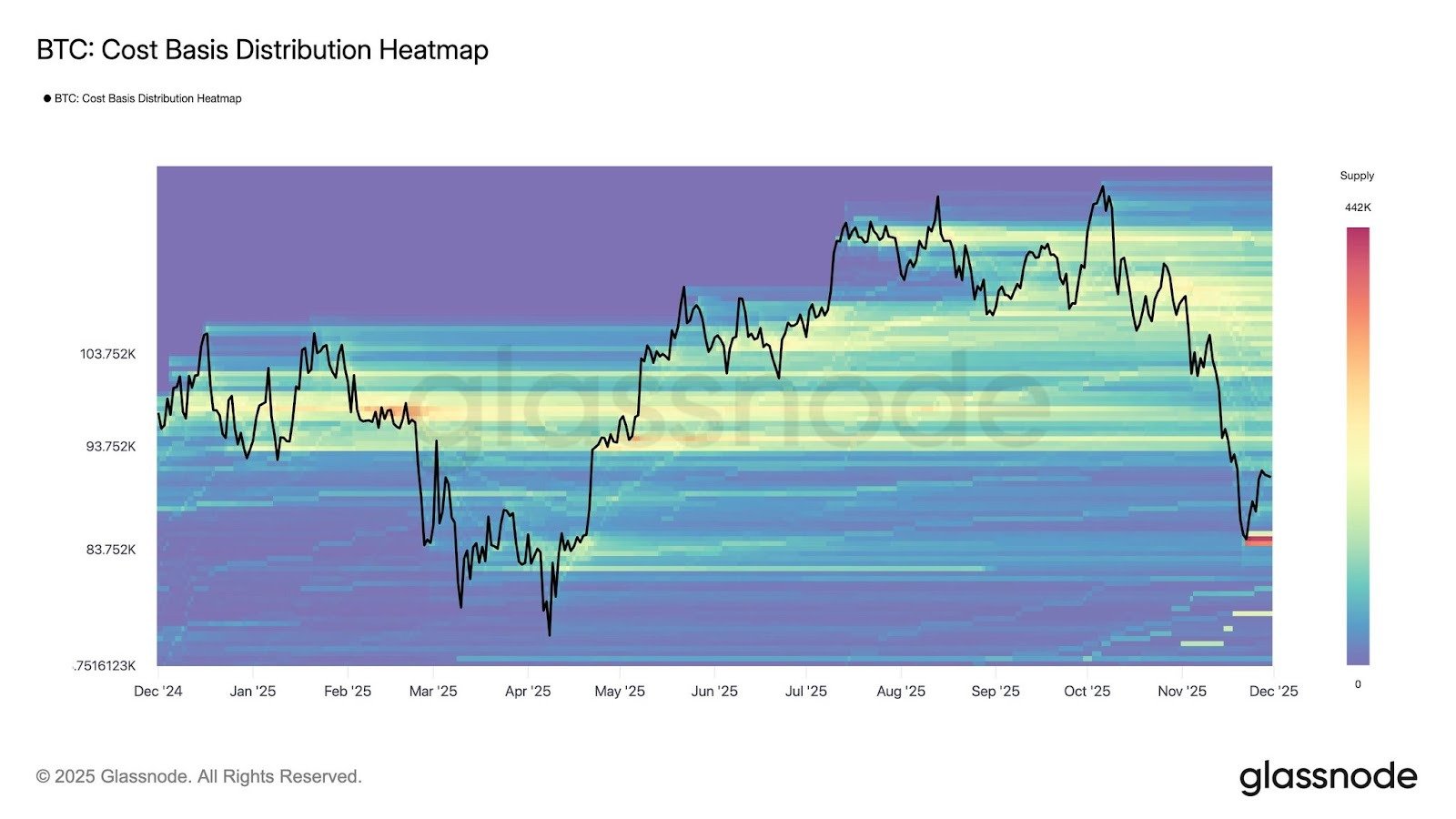
BRN’s Head of Research, Timothy Misir, describes the current market conditions as a "historic squeeze," with payback periods for miners now exceeding 1,000 days. This situation poses a significant risk of capitulation, particularly for smaller miners who may be unable to sustain operations in the long term. The threat of further price declines, especially if Bitcoin dips below the $85K mark, could result in forced selling among distressed operators. While Bitcoin recently managed to reclaim some of its losses—hovering around $87,000—analysts underscore that this bounce lacks support from traditional market movers like miners and institutional investors, which adds to concerns about a sustainable recovery.
Liquidity and Market Stability Post-Crash
Despite concerns surrounding miners, the overall crypto market has displayed signs of stabilization following a sharp sell-off earlier in the week. Total cryptocurrency market capitalization has edged closer to $3 trillion, but trading volumes remain relatively low. The recent return of liquidity, particularly after the Federal Reserve injected $13.5 billion into the banking system, has not generated the uplift in market sentiment one might expect. Subdued macroeconomic indicators, such as an underwhelming ISM Manufacturing PMI, have only further reinforced the fragile state of the cryptocurrency sector.
ETF Flows Reflect Mixed Sentiment
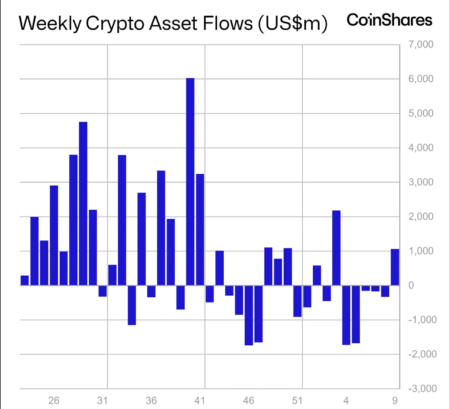
In the realm of exchange-traded funds (ETFs), the sentiment appears mixed as well. Recent data shows that U.S. Bitcoin ETFs logged net inflows of $8.48 million on December 1, marking a four-day streak of positive movement. However, contrasting flows were reported for other cryptocurrencies; Ethereum ETFs saw significant outflows, while products tied to Solana experienced a similar trend. The divergence in ETF flows indicates a complicated landscape, with varying levels of investor confidence across different crypto assets.
Market Dynamics and Implied Volatility
Options markets suggest that traders are preparing for potential turbulence as the year comes to a close. The volatility associated with Bitcoin has surged, with traders increasingly purchasing puts, especially around the $84K and $80K price points. As BTC implied volatility climbs, the market appears to be bracing for outsized price swings, reflecting an environment fraught with uncertainty. Recent models suggest a 15% chance of Bitcoin finishing the year below $80,000, a decrease from the previous week’s estimates. Conversely, the likelihood of Bitcoin closing above $100,000 in 2025 has grown slightly, indicating that while concerns exist, there remains a sliver of optimism for long-term growth.
Conclusion: Navigating a Volatile Landscape
As Bitcoin miners continue to confront a uniquely challenging set of conditions, their struggles add another layer of complexity to the evolving cryptocurrency market. Factors such as the all-in costs of production, liquidity fluctuations, and mixed ETF sentiments underscore the broader uncertainties permeating the sector. While recent market stabilization offers a glimmer of hope, the ongoing volatility and the pressures faced by miners suggest that the landscape will remain turbulent. Stakeholders in the crypto space must remain vigilant as they navigate this unpredictable terrain, weighing the risks against potential opportunities as the new year approaches.