




Bhutan’s Bitcoin Holdings: A Major Shift in Strategy
In a significant move that has captured the attention of the cryptocurrency world, the Royal Government of Bhutan transferred 250 BTC (approximately $18.46 million) to a newly established wallet on April 13, according to blockchain analytics platform Arkham. This transfer not only illuminates Bhutan’s evolving relationship with Bitcoin but also highlights the broader implications for governmental crypto holdings worldwide. This article explores Bhutan’s Bitcoin journey, recent outflows, and what these changes may mean for the future.
The Bitcoin Journey of Bhutan
Bhutan, known for its pristine landscapes and commitment to environmental sustainability, ventured into the cryptocurrency space several years ago. Utilizing its rich hydroelectric resources, the government successfully mined a substantial amount of Bitcoin, reaching a peak holding of nearly 13,000 BTC. This impressive stockpile allowed Bhutan to position itself as a significant player in the cryptocurrency market, drawing attention from various global financial players. However, recent activities show a shift in strategy, as they continue to divest a considerable portion of their holdings.
Recent Outflows: A Shift in Strategy
The latest transaction is part of a trend of outflows that have seen Bhutan reduce its Bitcoin holdings by over 70% since October 2024. Following the recent transfer, records indicate that wallets linked to the government now contain 3,524 BTC, valued at approximately $260.9 million. Analysts note that these withdrawals, totaling about 3,247 BTC in 2026 alone, amount to a striking $240.4 million at current market rates. The motivations behind these transfers remain speculative; however, historical patterns suggest possible sales or reallocations of funds to meet governmental financial needs.
Impacts on Market Dynamics
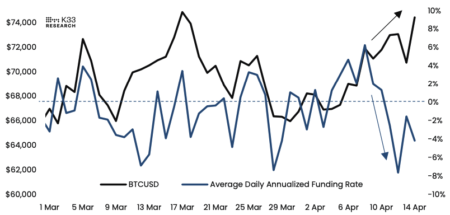
The cryptocurrency market is always sensitive to large movements of Bitcoin, especially from governments. With Bitcoin trading at $74,049 as of the last recorded data, this ongoing reduction in supply may have a ripple effect on market dynamics. The price of Bitcoin has witnessed a 3% increase over the past week and a 23% uptick from its February low of around $60,000. However, it remains 41% lower than its all-time high of roughly $126,000 reached in October 2025. Understanding Bhutan’s selling strategy is crucial for market analysts and investors looking to gauge the future price trajectory of Bitcoin.
Lack of Recent Inflows
Interestingly, the last significant inflow exceeding $100,000 into wallets associated with Bhutan’s government occurred over a year ago. This stagnation raises questions about the government’s future intentions regarding their Bitcoin holdings. With no new significant investments, it appears that the focus is shifting from accumulation to liquidity. This pivot could reflect broader trends observed in the market, as many investors weigh the benefits of cash flow against holding long-term assets like Bitcoin.
Bhutan’s Unique Position in Cryptoland
Bhutan’s foray into Bitcoin mining has been unique, showcasing how a small nation can create substantial wealth through innovative technology and sustainable practices. By opting to leverage its renewable energy for Bitcoin mining, Bhutan has carved a niche in the cryptocurrency domain. However, the ongoing strategic re-evaluations regarding their holdings could illustrate a transformative phase for the country, especially as it seeks to balance sustainable development and economic growth.
Conclusion: What Lies Ahead for Bhutan and Bitcoin
As Bhutan continues to navigate its strategy regarding Bitcoin, the implications extend far beyond its borders. Governments worldwide are closely monitoring these developments, particularly as they contemplate their own cryptocurrency policies. With Bitcoin’s fluctuating market dynamics and the challenges of regulatory landscapes, Bhutan’s next steps will undoubtedly be scrutinized. As we look toward the future, the interplay between sustainability, governmental strategy, and cryptocurrency investments will serve as a case study for nations aiming to optimize their approaches in the rapidly evolving financial landscape.
In summary, Bhutan’s recent transfer activities signal a major shift in the nation’s strategy regarding its Bitcoin holdings. While the reasons for the ongoing outflows remain unclear, the impact on both local and global markets cannot be underestimated. Keep an eye on Bhutan—its next moves in the cryptocurrency landscape may redefine how small governments engage with digital assets.