



Analyzing Peter Schiff’s Critique of Trump’s Tariffs and Bitcoin Ambitions
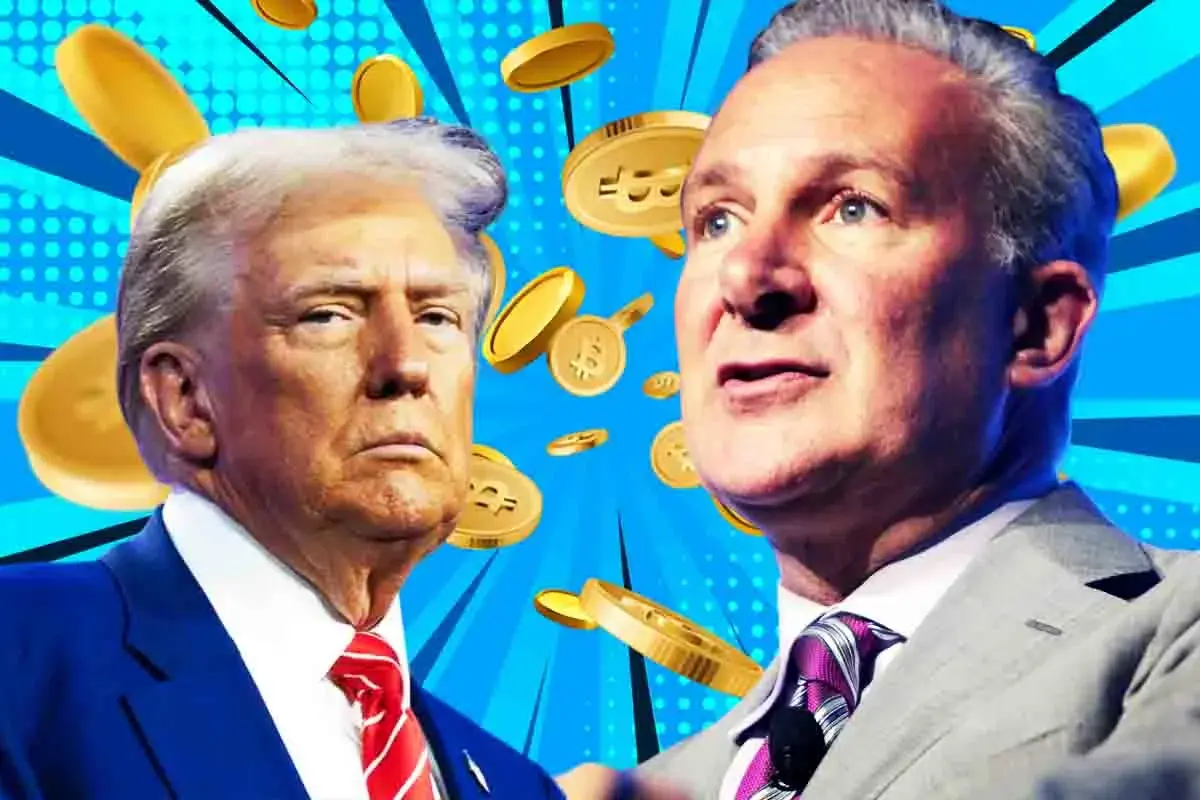
Renowned economist Peter Schiff has sparked considerable debate by questioning the feasibility of former President Donald Trump’s dual ambitions: reducing U.S. trade deficits through tariffs and establishing the country as a Bitcoin superpower. Schiff argues that these two objectives are fundamentally incompatible, as one undermines the other. In this article, we’ll explore Schiff’s perspective on how tariffs conflict with the push for Bitcoin dominance, dive deeper into his criticisms, and evaluate the implications for the future of both U.S. economic policy and cryptocurrency.
Contradictions in Economic Strategy
In a recent post on X, Schiff highlighted the inherent contradictions in Trump’s economic strategies. He posits that the U.S. cannot effectively address its bloated trade deficits while simultaneously reallocating resources toward cryptocurrency. Schiff’s argument centers around the idea that investing in Bitcoin diverts essential resources from the production of goods and services necessary for American consumers. This resource misallocation, according to Schiff, could exacerbate dependence on foreign production—essentially negating any benefits that tariffs may provide.
Economic Ramifications of Tariffs and Cryptocurrency
Schiff, a long-standing skeptic of Bitcoin, has repeatedly voiced concerns over Trump’s tariff policies and their potential impact on inflation and recession. He believes that imposing tariffs fails to solve trade issues and instead leads to unintended economic consequences. Schiff maintains that tariffs will ultimately strain U.S. consumers with higher prices on imported goods. Concurrently, he views initiatives like the Strategic Bitcoin Reserve as missteps that squander valuable resources. He even urged the Biden administration to liquidate existing Bitcoin holdings, believing it is a lost cause. These positions reflect Schiff’s overarching belief that both policies are counterproductive to U.S. economic growth.
The Future of Interest Rates and Market Predictions
With Trump’s commitment to tariffs unwavering, Schiff anticipates a shift in Federal Reserve policy. He predicts that the Fed will likely lower interest rates rather than raise them as a means to combat inflation. Schiff argues that such a shift could trigger a significant rally in Gold prices, which traditionally fare well in low-interest environments. While Bitcoin enthusiasts see the cryptocurrency as a hedge against inflation and a potential store of value, Schiff remains unconvinced. He asserts that the traditional value propositions of Gold far outweigh those of Bitcoin.
Continued Bitcoin Criticism and Market Analysis
Following his initial critiques, Schiff has further dismissed Bitcoin and Trump’s Strategic BTC Reserve plans. He claims that Bitcoin doesn’t create tangible value for the U.S. economy, likening the transaction mechanisms to a zero-sum game where participants merely exchange money without generating new wealth. During the same discourse, Schiff commented on Gold’s recent price correction amid Bitcoin’s climb past the $95,000 mark. He attributed this price movement to a "counter-trend," suggesting that market fluctuations should not be overly interpreted.
Bridging the Gap Between Tariffs and Cryptocurrency
Schiff’s assertions raise critical questions about the viability of Trump’s dual objectives and the economic landscape of the U.S. Understanding the relationship between tariffs and cryptocurrency investment is essential for assessing future economic policies. While cryptocurrencies like Bitcoin may hold promise for some, Schiff emphasizes the need for a more substantial focus on traditional economic fundamentals. The discord between tariffs and investment in digital currencies may lead to policy reevaluations.
Conclusion: Looking Ahead
As the U.S. navigates a complex economic landscape, Schiff’s critiques of Trump’s tariffs and Bitcoin ambitions open a necessary dialogue on the compatibility of these strategies. The discussion is not merely academic; it has real-world implications for consumers, investors, and policymakers alike. With shifting market dynamics and uncertainties surrounding inflation, understanding the intersection of tariffs and cryptocurrencies will be essential for future economic strategy. For anyone invested in these debates, staying informed on evolving policies and market trends will be crucial in making educated financial decisions.
In conclusion, whether one aligns with Schiff’s skeptical stance on Bitcoin or sees potential in Trump’s vision for a crypto-driven economy, the conversation is far from over. The economic future will depend on how these competing interests are reconciled.