


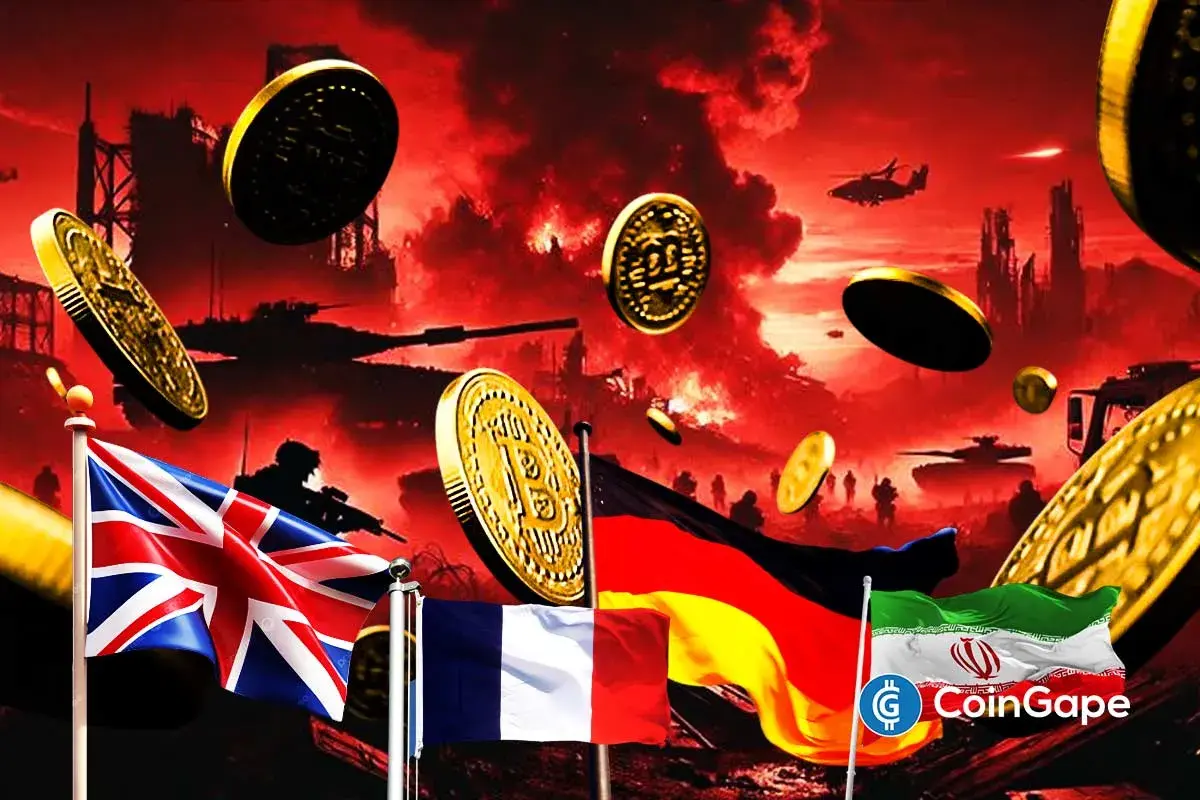
Bitcoin Price Under Pressure Amid Rising Geopolitical Tensions
In recent weeks, the world has witnessed an unsettling increase in geopolitical tensions, particularly surrounding the US-Iran conflict. This volatility has not only disturbed global politics but has also significantly impacted the cryptocurrency market, with Bitcoin (BTC) feeling the brunt of the pressure. As fears of World War III loom, Bitcoin’s price has witnessed a sharp decline, raising concerns among investors about the future stability of cryptocurrencies.
Escalating Conflict and Its Impact on Bitcoin
The tipping point in the US-Iran conflict came on February 27, when the United States launched a military initiative termed Operation Epic Fury. This decisive military action was prompted by Iran’s failure to comply with a timely nuclear deal. The situation quickly became more precarious as Iran retaliated with missile strikes targeting US and allied bases within the Gulf region. Such aggressive maneuvers have led to dire consequences, including significant losses for both sides, highlighted by the high-profile loss of Iranian Supreme Leader Ayatollah Ali Khamenei. This rapid escalation has further intensified fears of a broader conflict, potentially triggering World War III.
Market Reactions: Bitcoin’s Plummet
As the specter of a global conflict looms, Bitcoin’s price has begun to reflect a stark downturn. Currently marked at $66,213, Bitcoin has experienced a 0.5% decline in just one day. Additionally, weekly and monthly examinations reveal sobering drops of 0.3% and 20%, respectively. The escalated tensions surrounding the U.S.-Iran confrontation have led to a market reaction where traders pull away from volatile assets like Bitcoin, preferring to allocate funds into traditional safe havens such as gold. With fear dominating the market sentiment, Bitcoin’s failure to rally amidst these geopolitical tensions is particularly telling.
The Role of Western Powers
The situation further deteriorated as major Western nations, including Germany, France, and the UK, rallied around the US in a show of military solidarity against Iran. A joint statement released by leaders of these nations expressed profound concern over Iran’s “reckless” military actions, highlighting the significant threat posed to their citizens and military forces in the region. This coalition’s unified stance has added weight to fears of an imminent broader conflict, compelling investors to reassess their risk exposure, leading to continued declines in Bitcoin’s value.
Potential Fallout: A Market Crash?
Experts are raising alarms about the potential fallout from the escalating U.S.-Iran conflict, warning that if the hostilities continue to intensify, Bitcoin and the broader cryptocurrency market may face one of its most formidable crashes. Investors are being urged to remain vigilant, as even minor developments in this geopolitical saga could send shockwaves through an already shaky market landscape. The massive shift of investments away from crypto assets, spurred by rising tensions, underscores the fragile nature of digital currencies under external pressures.
The Future of Cryptocurrencies Amid Geopolitical Strife
The persistent decline in Bitcoin’s price raises questions about the resilience of cryptocurrencies in times of geopolitical strife. As traditional investors pivot towards tangible, safer assets during crises, the long-term viability of cryptocurrencies will increasingly come under scrutiny. While Bitcoin advocates champion it as a hedge against inflation, current market dynamics reveal that its status as a safe asset is far from assured. The potential for further geopolitical tensions could lead to sustained negative pressure on Bitcoin and other cryptocurrencies in the foreseeable future.
Conclusion: Navigating Uncertain Waters
As Bitcoin grapples with the implications of an escalating U.S.-Iran affair, the potential for World War III exacerbates investor anxiety and market volatility. The intertwining of political and economic factors presents a challenging landscape for Bitcoin and its peers. Moving forward, investors will need to exercise caution, continually assessing the geopolitical climate’s influence on market trends. The current scenario poses critical questions for cryptocurrency’s role in the global financial ecosystem, urging investors to weigh their options carefully in these uncertain times.