



Bitcoin Faces Geopolitical Tensions Amid Trump’s Warnings to Iran
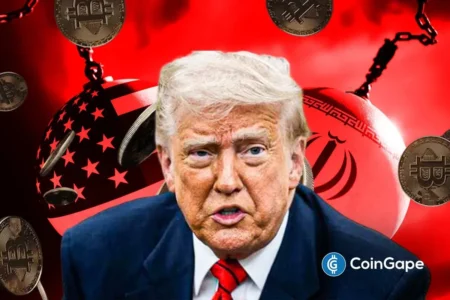
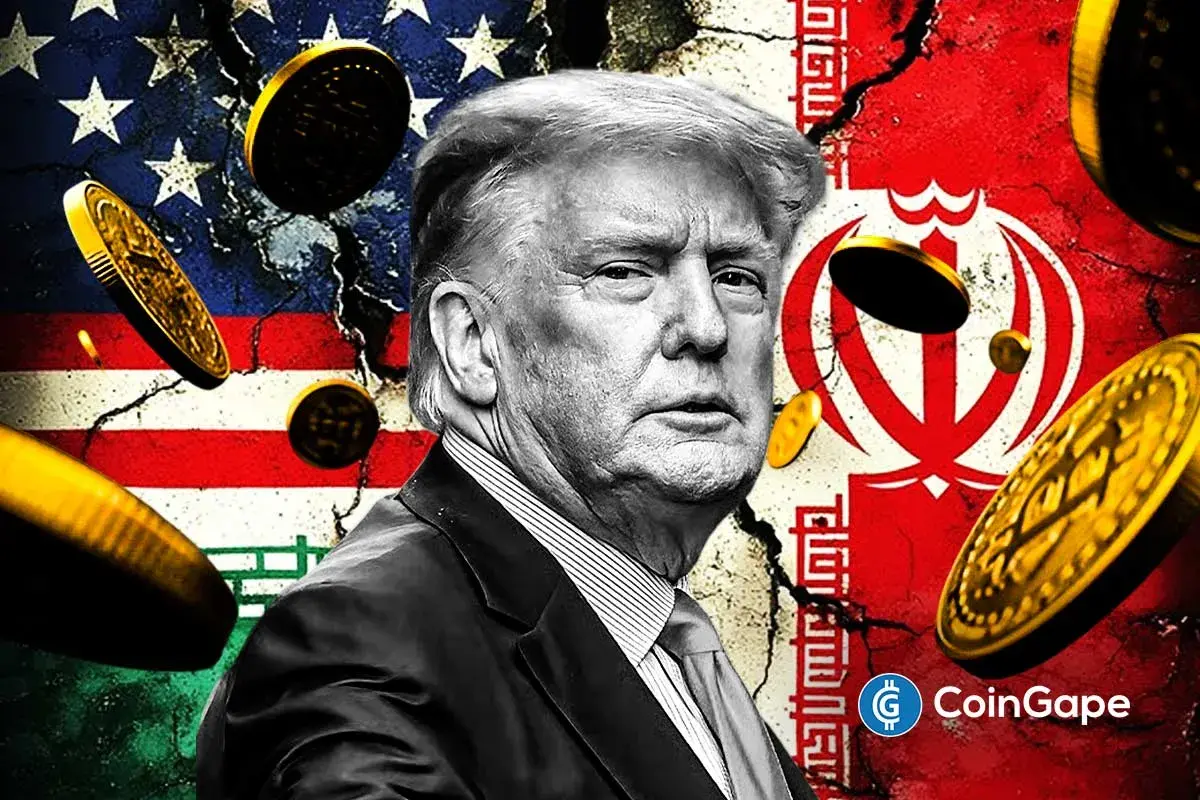
Bitcoin is currently navigating a stormy geopolitical landscape, particularly following recent statements from U.S. President Donald Trump regarding potential military action against Iran. As the cryptocurrency attempts to regain the significant psychological barrier of $90,000 ahead of the Federal Reserve’s decision today, it finds itself vulnerable to external risks that could further impact its price.
Implications of Trump’s Warnings
In a recent post on Truth Social, Trump cautioned of a formidable naval presence on its way to Iran, suggesting a military strike might be on the horizon. He underscored the superiority of this armada compared to previous deployments, such as those directed toward Venezuela, emphasizing readiness to act with “speed and violence.” These statements have cast a shadow over Bitcoin, pushing its price below the crucial $90,000 mark. The cryptocurrency has demonstrated sensitivity to geopolitical unrest, having experienced similar downturns last year when the U.S. conducted airstrikes against Iran due to nuclear negotiations.
Market Reactions and Historical Context
The immediate reaction in the crypto market has been one of caution, mirroring past responses to geopolitical tensions. When the U.S. previously escalated military actions concerning Iran, Bitcoin saw a significant decline, falling below $99,000. These historical patterns suggest that ongoing geopolitical tension could trigger further bearish sentiment for cryptocurrencies, as investors often retreat to traditional safe havens like gold during uncertain times.
Iran’s Stance on Dialogue
In response to Trump’s threatening remarks, the Iranian Mission to the U.N. expressed a willingness to engage in constructive dialogue grounded in mutual respect and shared interests. Nevertheless, they asserted that any efforts to pressure Iran would meet with a robust defensive response. This underscores the precarious situation where military escalation could occur, further complicating Bitcoin’s market environment.
Rising Safe-Haven Assets
Intriguingly, as tensions escalate, traditional safe-haven assets like gold have attracted more investor interest. Reports indicate that gold prices have surged to new all-time highs, surpassing $5,300, while Bitcoin and other cryptocurrencies languish with sideways trading patterns. This shift illustrates a broader trend, where investors are flocking to assets perceived as more stable during geopolitical crises. Consequently, Bitcoin’s ability to recover and thrive is being tested against a backdrop of increasingly cautious market sentiment.
Federal Reserve’s Influence
The Federal Reserve’s monetary policy also plays a crucial role in Bitcoin’s trajectory. A significant majority of market participants (70%) believe that the Fed will maintain current interest rates until the June Federal Open Market Committee (FOMC) meeting, reducing the likelihood of immediate rate cuts that have historically propelled Bitcoin higher. With the Fed’s previous rate adjustments serving as a catalyst for Bitcoin’s all-time highs last year, the current bearish sentiment may stifle any bullish momentum in the cryptocurrency market.
Conclusion: Navigating Uncertain Times
As Bitcoin grapples with these geopolitical tensions and economic uncertainties, its future trajectory remains unpredictable. With Trump’s provocative remarks echoing through global markets and Iran’s readiness to defend itself making headlines, investors are closely monitoring developments. The shift toward traditional safe havens like gold and the looming Fed policy decisions suggest that Bitcoin will need to navigate carefully through these turbulent waters if it hopes to reclaim previous price milestones. Ultimately, understanding these dynamics will be essential for investors looking to make informed decisions in an ever-evolving crypto landscape.