



Bitcoin’s Resilience Amidst Geopolitical Turmoil: Why Analysts See a Bright Future
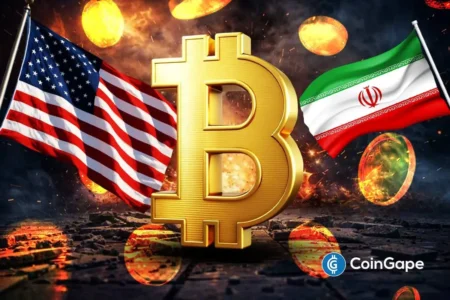
In the ever-evolving landscape of cryptocurrency, the most talked-about asset, Bitcoin (BTC), is currently under scrutiny as analysts at Bernstein, led by Gautam Chhugani, declare that the cryptocurrency has likely hit its bottom. With a year-end target of $150,000, Bernstein’s insights provide optimism even as Bitcoin faces significant headwinds from geopolitical tensions, particularly the ongoing U.S.-Iran conflict.
Bitcoin’s Current Market Dynamics
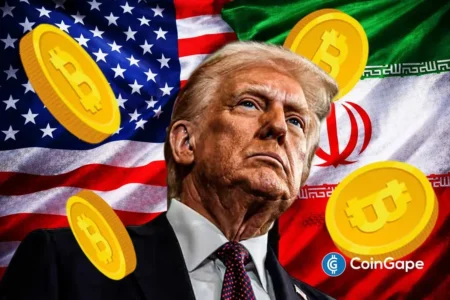
As of late, Bitcoin has been under pressure, directly linked to the escalating tensions between the U.S. and Iran. While BTC briefly soared above $71,000 following U.S. President Donald Trump’s optimistic comments about productive talks, it quickly retreated as Iran flatly denied any negotiations with the U.S. This tug-of-war left Bitcoin hovering just below the $70,000 mark, down nearly 2% on certain days. Despite these fluctuations, the good news for crypto enthusiasts is that Bitcoin has managed to avoid new lows since a brief dip to $60,000 in February.
The Impact of the U.S.-Iran Conflict
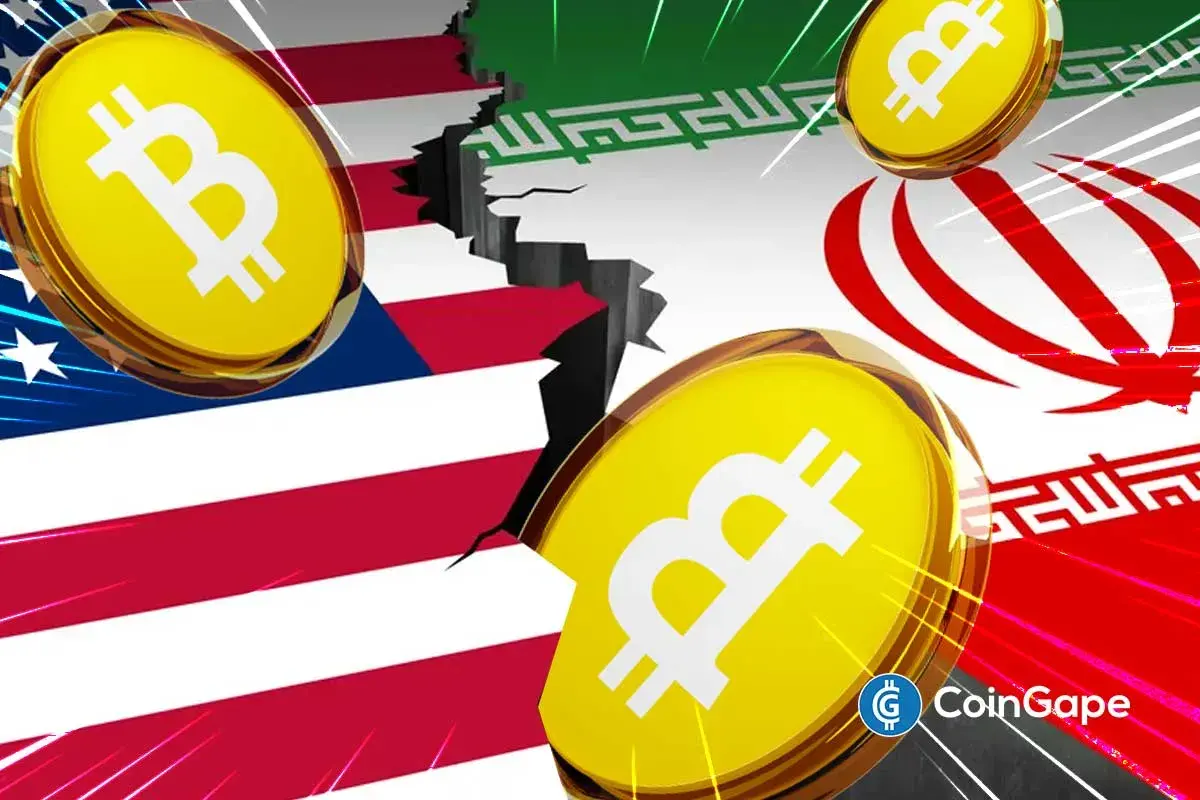
The looming U.S.-Iran war has introduced complexities in the crypto market that investors must consider. Initial hopes for peace talks were dashed when military actions continued, underscoring the volatility of global events and their impact on Bitcoin’s price. As geopolitical tensions rise and oil prices soar—again fueled by Iran’s rejection of U.S. negotiation claims—many traders are keeping a watchful eye on market movements.
Growing Skepticism Around Peace Talks
Adding to the uncertainty, senior Israeli officials have declared skepticism over Iran’s willingness to comply with U.S. demands in upcoming negotiations. Despite reports from Axios suggesting Iran is seeking de-escalation, the pathway to peace seems clouded. Market sentiment is tenuous at best, as traders consider the possibility of extensions in the U.S.-Iran conflict through April and beyond. The present trading climate remains stagnant, with a Polymarket report estimating only a 44% chance of a ceasefire by April 30.
The Resilience of Bitcoin
Despite these pressures, analysts argue that Bitcoin’s fundamentals remain strong. The cryptocurrency has shown resilience, failing to reach new lows and demonstrating a capacity to rebound quickly among uncertainties. Analysts at Bernstein emphasize that the innate characteristics of Bitcoin position it well against economic volatility, making it a potential safe haven that investors are likely to turn to as conventional markets remain unstable.
Future Outlook: A Silver Lining
Looking ahead, Bernstein’s confident projection of Bitcoin reaching $150,000 by the end of the year reflects the analysts’ belief in the long-term value proposition of cryptocurrencies. According to their assessments, Bitcoin may soon witness an upward trajectory, aided by its growing acceptance in mainstream finance and an increasing number of institutional investors. The predictions align with trends showing that Bitcoin’s scalability and resilience make it better equipped to endure fluctuating global market conditions, particularly in times of geopolitical unrest.
Conclusion: Navigating Uncertainty
In summary, while Bitcoin faces immediate challenges due to the U.S.-Iran conflict, analysts remain optimistic about its potential for growth. As traditional financial systems face increasing scrutiny and volatility, BTC’s position as a decentralized asset may solidify its value proposition further in the coming months. Cryptocurrencies could become essential components in diversified investment portfolios, particularly amid geopolitical risks. In a rapidly changing market, staying informed and adaptable will be crucial for investors looking to maximize their returns in the crypto space.