



World Liberty Financial’s Tokenization Revolution: A Bridge Between Crypto and Traditional Finance
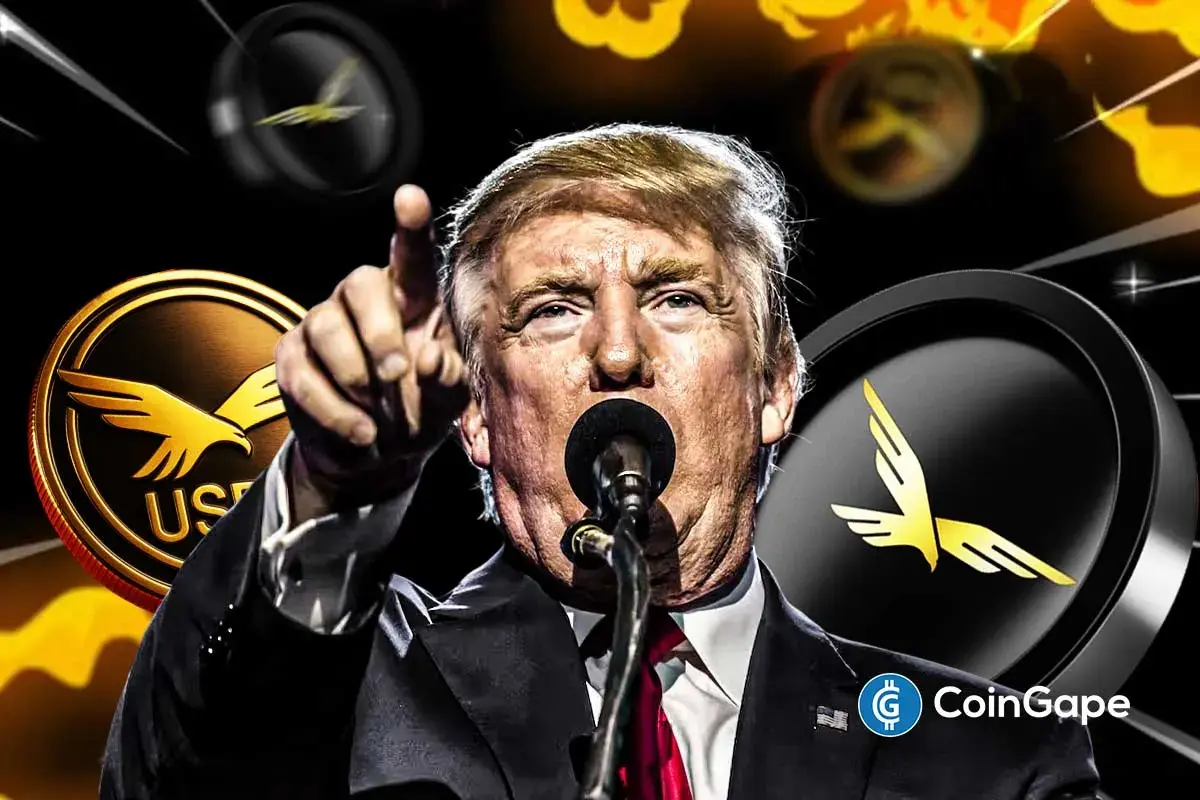
The Trump family’s World Liberty Financial (WLFI) has taken significant strides in the realm of blockchain technology, particularly in the tokenization of real-world assets (RWA). Announced during the Token2049 event on October 1, these developments mark a pivotal moment for the company as it aims to connect the cryptocurrency landscape with traditional finance (TradFi). By tokenizing tangible assets such as commodities—including oil, gas, cotton, and timber—WLFI envisions a more efficient trading system utilizing its USD1 stablecoin to facilitate this transformation.
Real-World Asset Tokenization: A New Era
The tokenization of real-world assets is poised to revolutionize the way we perceive asset trading. As WLFI’s CEO, Zach Witkoff, pointed out, the efficiency gained from on-chain trading can significantly enhance market operations. With commodities traditionally subjected to complex trading mechanisms, moving these assets onto a blockchain could streamline processes, reduce costs, and open new avenues for investment. The significance of this announcement lies in its potential to create a more accessible and transparent financial marketplace.
Regulatory Backing from the SEC
The United States is witnessing a surge in support for RWA tokenization from regulatory bodies like the Securities and Exchange Commission (SEC). Recently, Commissioner Hester Peirce expressed her endorsement for innovative projects, highlighting a willingness to collaborate with tokenization initiatives. The SEC’s upcoming plans to facilitate stock trading via blockchain technology could further legitimize tokenized assets, fostering a stronger connection between cryptocurrencies and conventional financial instruments. This development offers unprecedented opportunities for investors and companies eager to dip their toes into tokenized markets.
Advancing Blockchain Ecosystems with Aptos
In alignment with its tokenization vision, WLFI has partnered with Aptos, marking a crucial milestone in adopting Move-based technology. This integration will see the USD1 stablecoin supported throughout the Aptos ecosystem, effective from October 6. Such collaborations position WLFI advantageously within a robust blockchain framework, enhancing its capability to serve clients ranging from retail to institutional investors.
Innovating Everyday Transactions with a Debit Card
In an effort to make crypto more accessible for day-to-day transactions, Witkoff confirmed a pilot launch of a debit card linking crypto assets to everyday spending by the end of Q1 2026. This will not only simplify transactions for users but might also broaden the adoption of cryptocurrencies in everyday life. As crypto becomes more mainstream, integrated financial services—like retail apps and debit cards—will play a crucial role in changing how consumers interact with digital currencies.
Market Response and Future Prospects for WLFI
The market reaction to WLFI’s announcements has been generally positive, with the token price experiencing a modest increase to $0.2023, despite a notable drop in trading volume. These fluctuations present a complex picture, reflecting both the excitement surrounding the announcements and a cautious sentiment among traders. As WLFI pushes ahead with its ambitious plans, it will be crucial to monitor these developments closely. With regulatory support enhancing the landscape for RWA tokenization, the future appears promising for World Liberty Financial, potentially redefining finance as we know it.
In summary, as the sector experiences transformative changes, the continued evolution of World Liberty Financial could very well lead the charge towards a more integrated and efficient financial environment where traditional and digital economies coexist harmoniously.