


Tether’s Role in Venezuela Amidst Nicolás Maduro’s Arrest: A Deep Dive
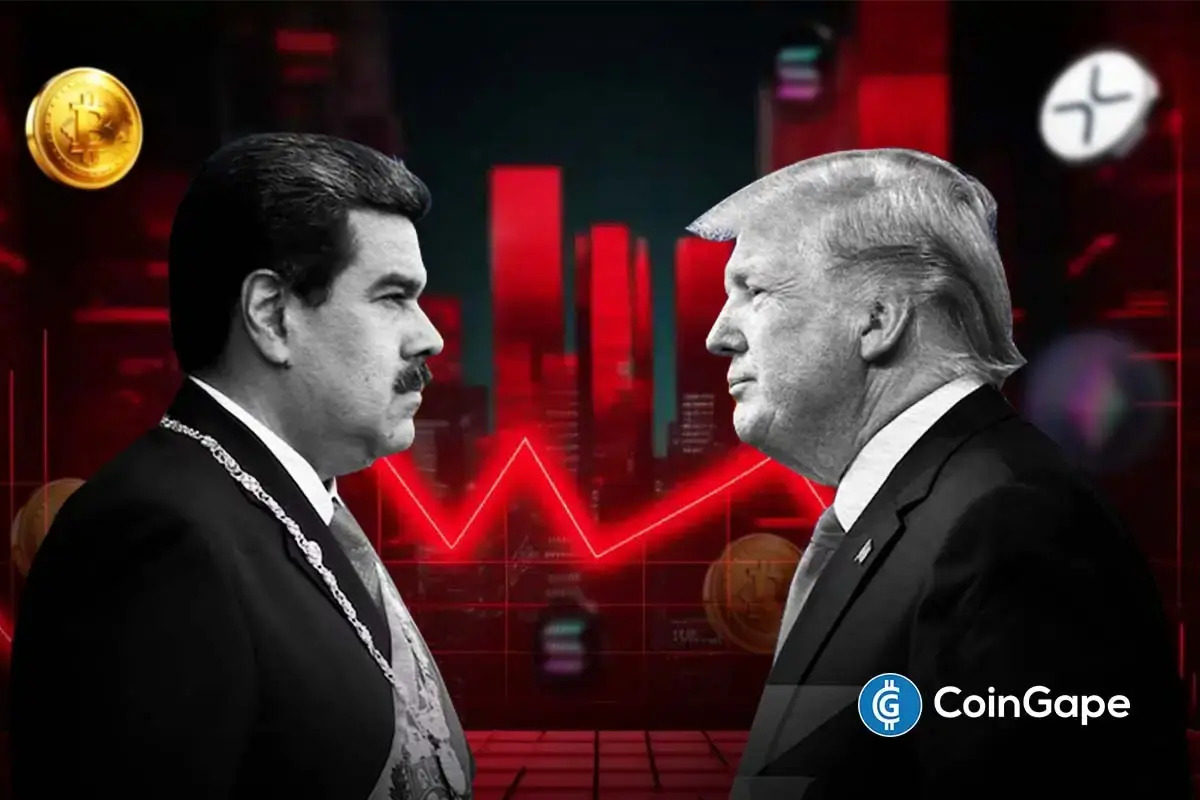
Nicolás Maduro’s recent arrest in the United States has garnered significant attention, particularly regarding the implications for the Venezuelan economy and the role of Tether’s stablecoin, USDT. In the wake of heavy sanctions against Venezuela, USDT has emerged as a lifeline for both the state oil industry and citizens grappling with severe currency devaluation. This multi-faceted use of Tether illustrates both the innovation and complexity surrounding cryptocurrency in crisis situations.
USDT: A Cornerstone of Venezuela’s Oil Trade
According to a recent Wall Street Journal report, Tether’s USDT has been pivotal for Venezuela, enabling the oil industry to circumvent stringent banking restrictions. Since the onset of U.S. sanctions, Petroleos de Venezuela (PdVSA), the state-owned oil firm, has adopted USDT for transactions, allowing it to continue operations despite economic isolation. Payments are often processed directly to specific crypto wallet addresses or through third-party exchanges that convert funds into Tether, showcasing a flexibility that conventional banking methods cannot offer in the strained Venezuelan economic environment.
Stablecoin as a Protection Against Hyperinflation
As Nicolás Maduro faces narcotrafficking charges in a Brooklyn court, scrutiny around financial activities associated with his regime has intensified. Nevertheless, experts believe that this increased monitoring will not curb the demand for USDT in Venezuela. Amidst hyperinflation, where the bolivar has lost over 99.8% of its value against the U.S. dollar in a decade, stablecoins like USDT have become essential for local citizens. Adam Zarazinski, CEO of crypto-intelligence firm Inca Digital, notes that the adoption of stablecoins serves as an effective hedge for daily transactions, enabling users to stabilize their purchasing power in an unpredictable economy.
The Economic Dependence on USDT
A staggering 80% of Venezuela’s oil revenue is reportedly collected in stablecoins like USDT, fundamentally reshaping the oil economy. This figure, provided by local economist Asdrúbal Oliveros, underscores the deep penetration of cryptocurrency into state cash flows. Despite Tether’s attempts to comply with U.S. authorities by freezing wallets associated with Venezuelan oil trade, the stablecoin’s role as a crucial payment method remains unchallenged. Furthermore, USDT is increasingly used by locals for daily transactions and cross-border payments, highlighting its utility extending beyond oil trade.
Challenges of Regulatory Compliance
While Tether navigates the complexities of operating under U.S. sanctions, its collaboration with authorities reflects its proactive stance against facilitating illegal activities. Paolo Ardoino, Tether’s CEO, draws attention to the long-term currency collapse that has plagued countries like Venezuela. The failed launch of the state-backed Petro token in 2018 serves as a case study in the pitfalls of digital currency initiatives lacking popular trust. The dual nature of stablecoins presents challenges: on one hand, they serve as a lifeline for civilians in crisis, while on the other, they can facilitate sanctions evasion.
Trust Issues Fuel Stablecoin Adoption
The reliance on USDT is further complicated by systemic issues within Venezuela’s financial landscape. A lack of trust in domestic banks, exacerbated by capital controls restricting access to physical U.S. dollars, has spurred the adoption of stablecoins. The phenomenon raises pertinent questions about the viability of traditional banking in the country. Russian tech firm TRM Labs’ head of global policy, Ari Redbard, emphasizes the dual-edged nature of stablecoins, suggesting that while they provide essential support to civilians, they may inadvertently assist in evading sanctions.
The Future of USDT in Venezuela
As the political and economic landscape in Venezuela remains volatile, the role of USDT will likely continue to be significant. The increasing acceptance of stablecoins reflects broader trends in cryptocurrency adoption in contexts marked by distrust and instability. Analysts agree that as long as economic conditions persist, the demand for USDT and similar stablecoins will remain robust, continuing to transform both everyday transactions and the state’s oil revenue stream. The fallout from Maduro’s arrest may raise awareness and scrutiny, but it is unlikely to diminish the relevance of Tether in the struggling Venezuelan economy.
In summary, while Nicolás Maduro’s arrest could change the dynamics of Venezuela’s political landscape, it is unlikely to impact the entrenched role of Tether’s USDT in the oil sector and everyday transactions. The stablecoin serves as both a response to economic adversity and a contentious tool in navigating sanctions, illuminating the complicated relationship between cryptocurrency and a nation in crisis.