



The Solana Community and the Alpenglow Protocol: A Giant Leap in Blockchain Governance
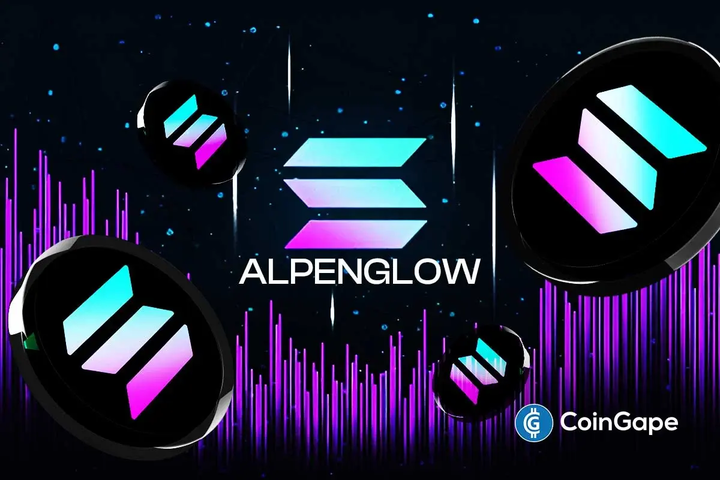
The Solana community has recently made headlines with its overwhelming support for a governance initiative aimed at bolstering the network’s speed and efficiency. This significant project, known as the Alpenglow protocol, received nearly unanimous approval from validators, marking a crucial step forward in enhancing the Solana blockchain’s performance.
Unprecedented Support for the Alpenglow Protocol
The proposal for the Alpenglow upgrade, referred to as SIMD-0326, garnered a staggering voter participation rate of 98.94%. With nearly three times the two-thirds majority required for passage, the results were overwhelmingly positive. Specifically, over 206.9 trillion tokens voted in favor of the initiative, while just under 2.2 trillion opposed it. This reflects not only a strong alignment within the community on the need for upgrades but also a renewed focus on the technical aspects that drive the network’s capabilities. The fact that approximately 144 billion tokens did not participate in the vote highlights a sizable portion of the supply that remains disengaged, indicating potential areas for future community outreach.
Speed and Reliability: The Focus of the Upgrade
The Alpenglow protocol is particularly centered on refining Solana’s consensus process, which is essential for authenticating transactions and creating blocks. Enhanced communication protocols among validators are set to be the cornerstone of this upgrade, allowing transactions to be processed more swiftly. By optimizing how resources are utilized, Solana aims to minimize delayed communication, thereby resulting in faster transaction finalization. With these improvements, the network is positioned to accommodate a higher volume of transactions, particularly as user adoption grows.
Implications for Network Congestion
As the popularity of blockchain technology rises, congestion during peak hours has become a pressing concern. Proponents of the Alpenglow upgrade argue that a more efficient consensus system could substantially alleviate this issue, making the network more attractive not just for users but also for developers looking to build on the platform. The vote’s passage signifies a level of maturity in Solana’s governance and a commitment to responding to the evolving demands of its users.
Continuous Evolution in Blockchain Governance
Reflecting a structure similar to that of Ethereum, Solana employs community voting through its token-based voting requests, known as SIMD (Solana Improvement Documents). The Alpenglow upgrade is just one of many proposals aimed at various aspects of the blockchain, from technical enhancements to fee distributions. By continuing to evolve its consensus rules, Solana joins a growing list of blockchains that are actively seeking to meet user expectations and demands for service.
Leading in Speed and Efficiency
The enthusiastic reception of the Alpenglow proposal also has roots in Solana’s existing reputation for speed and cost-effectiveness. According to data from DeFiLlama, Solana already excels in areas that matter most to its users. With the ability to process up to 65,000 transactions per second and a block finality rate of under two seconds, Solana remains a formidable competitor to slower systems like Ethereum. Average transaction fees are around $0.00025, making Solana transactions over 10,000 times cheaper than those on Ethereum. Such efficiency has made Solana a popular choice for projects, including the recent launch of World Liberty Financial’s USD1 stablecoin.
Emphasizing Capital Efficiency
Beyond transaction speed and lower costs, Solana also showcases superior capital efficiency. The network boasts a quarterly DeFi revenue of over $562 million, outpacing Ethereum and Binance Smart Chain when normalized to the value locked in their ecosystems. This financial performance underscores the network’s appeal and highlights its potential for sustained growth and investor interest.
Conclusion
The passage of the Alpenglow protocol marks a pivotal moment for the Solana community, emphasizing the importance of governance in advancing blockchain technology. With a high rate of voter participation and an overwhelming consensus in favor of the upgrade, Solana demonstrates its commitment to speed, efficiency, and meeting the evolving needs of its users. As the blockchain landscape continues to grow, the significance of such governance initiatives cannot be overstated, positioning Solana as a leader in the race for technological advancement within the crypto space.