



Ripple Secures EMI License: A New Era for XRP in the EU
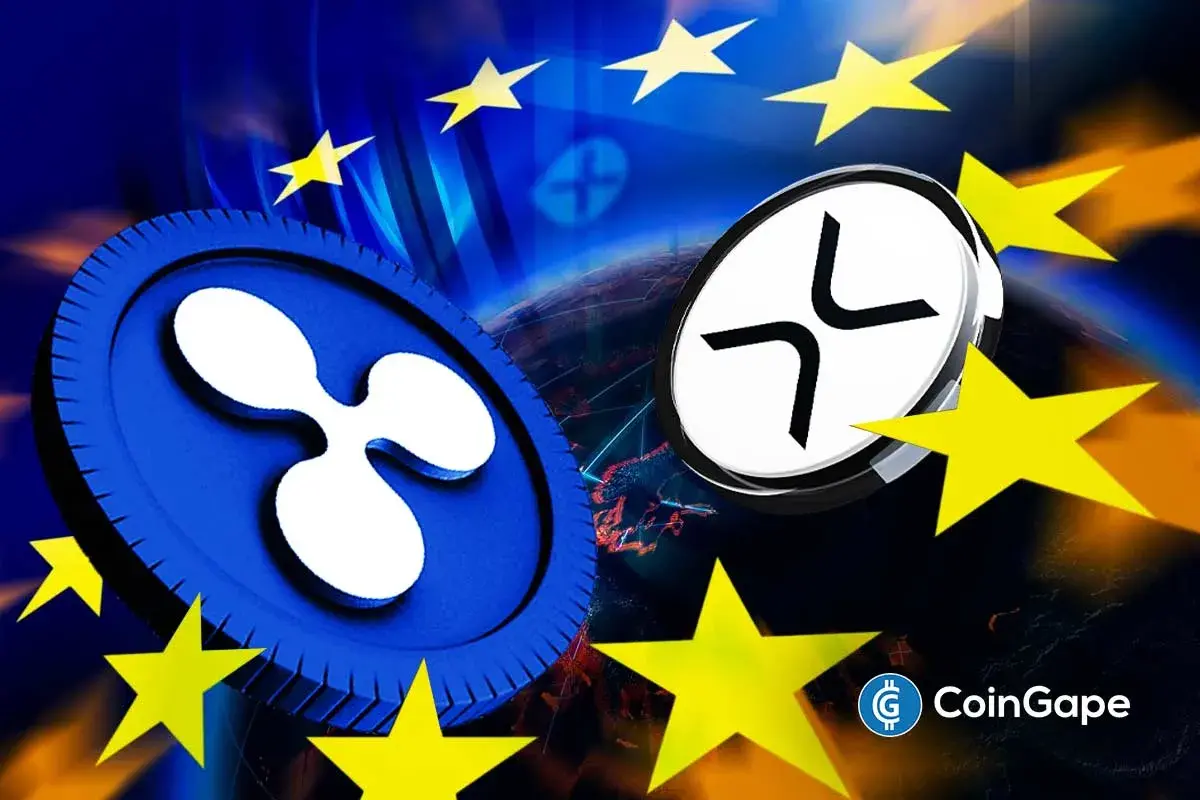
In a significant development for the cryptocurrency ecosystem, Ripple has officially secured full approval for its Electronic Money Institution (EMI) license from the Commission de Surveillance du Secteur Financier (CSSF) in Luxembourg. This approval marks a crucial milestone for Ripple and has the potential to dramatically enhance its operational capabilities across the European Union (EU). By obtaining this license, Ripple can now offer regulated digital payment services throughout all 27 member states, effectively broadening its footprint in the European market.
Strengthening Regulatory Compliance
The EMI license not only solidifies Ripple’s presence in Europe but also reinforces its commitment to regulatory compliance and consumer protection. As noted by Cassie Craddock, Managing Director of Ripple UK & Europe, securing this license "is a transformative milestone" that positions the company at the core of European finance. The license will facilitate Ripple’s payment services and e-money issuance, making it easier for banks, fintechs, and other enterprises to adopt Ripple’s innovative payment solutions.
This strategic move signals Ripple’s intent to lead in regulatory frameworks within the cryptocurrency sector, positioning itself favorably as the industry shifts toward institutional adoption and regulated use cases. Ripple’s recent preliminary approval from the CSSF, received last month, helped pave the way for this full EMI license, showcasing the company’s proactive approach to ensuring its services comply with legal standards.
Expanding Global Reach
Ripple’s EMI license is part of a broader strategy to expand its operational footprint globally. Following a similar trend in the UK, where Ripple’s subsidiary received an EMI license and crypto registration from the Financial Conduct Authority (FCA), the company’s global licensing count has now surpassed 75. This growing portfolio of licenses distinguishes Ripple as one of the more heavily regulated companies in the cryptocurrency domain, ensuring that it can serve a diverse clientele while adhering to necessary legal frameworks and security measures.
This extensive licensing framework empowers Ripple to offer more tailored solutions for various sectors, enabling enterprises to move funds more efficiently and cost-effectively. As the demand for digital payment solutions rises, especially in cross-border transactions, Ripple’s compliance with regulatory measures will be an integral aspect of its business strategy.
XRP’s Market Reaction
Following the announcement of Ripple’s EMI license, XRP experienced a notable uptick in market activity. The cryptocurrency surged by over 0.70% within an hour, increasing its value to approximately $1.61. Even though trading volume has seen a decrease of 15% over the past 24 hours, analyses indicate a robust interest in XRP derivatives, signaling a developing market momentum. Analysts have suggested that XRP must reclaim the $1.86 mark to facilitate a more significant rally, emphasizing the importance of market psychology in driving price movements.
The recent fluctuations in XRP’s price reflect the overall volatility associated with cryptocurrencies, where news events can lead to rapid buy and sell reactions among traders. Hence, maintaining a focus on long-term fundamentals while navigating these short-term price swings will be crucial for investors and traders alike.
Future Implications for Ripple and XRP
The implications of securing an EMI license extend beyond immediate market reactions; they signify a long-term strategy for Ripple in building a sustainable and compliant business model. By enabling real-world applications for its native assets like XRP, XRPL, and RLUSD, Ripple is setting the stage for increased adoption among businesses and financial institutions in Europe.
This advancement not only enhances Ripple’s credibility in the financial sector but also creates new opportunities for innovative products and services. With growing interest in the utility of cryptocurrencies in everyday transactions, Ripple is well-positioned to leverage its regulatory approvals to expand its offerings.
Broader Trends in Cryptocurrency Regulation
Ripple’s success in securing its EMI license fits into a larger narrative of increasing regulatory clarity within the cryptocurrency space. As governments and regulatory bodies around the world begin to embrace digital currencies, firms like Ripple are leading the charge in establishing frameworks that prioritize consumer protection and financial accountability.
This shift towards more stringent regulations is indicative of the cryptocurrency industry’s maturation, as stakeholders seek to legitimize digital assets in the eyes of traditional finance. By adhering to these regulations, Ripple not only ensures its viability but also helps promote the broader adoption of cryptocurrencies.
Conclusion
Ripple’s recent achievement in obtaining an EMI license is a pivotal moment for both the company and the wider cryptocurrency landscape. It positions Ripple to offer regulated services throughout the EU, bolstering its credibility and paving the way for new opportunities. As market reactions unfold and regulatory environments evolve, Ripple’s strategic initiatives will be closely watched by industry analysts and investors alike. This landmark development underscores the importance of compliance in shaping the future of cryptocurrencies, aligning with the broader trend toward a more regulated and acceptable financial ecosystem.