



JPMorgan’s On-Chain Bond Issuance: A Game Changer for Capital Markets
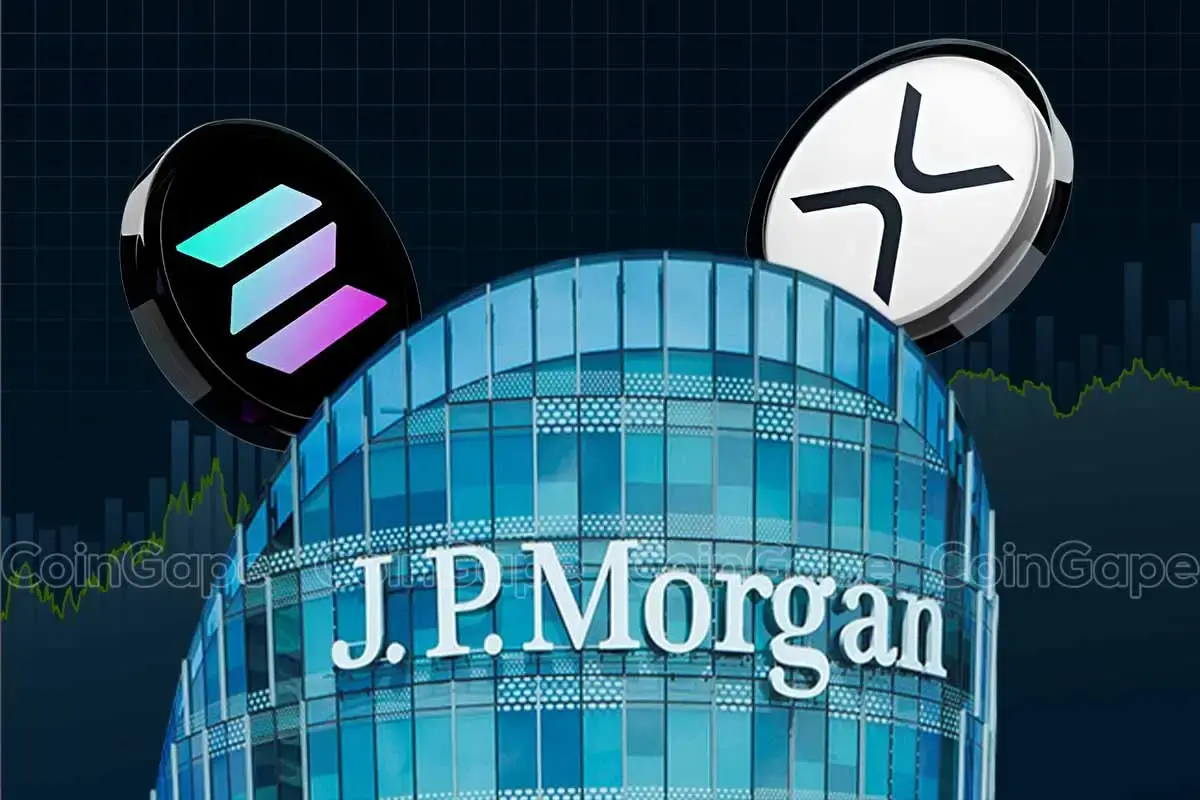
In a groundbreaking move, JPMorgan has successfully issued a short-term bond on the Solana blockchain, marking a pivotal moment in the transformation of capital markets. This innovative deal is one of the earliest institutional debt issuances on a public blockchain in the United States, signaling a shift in how financial institutions view blockchain technology as a viable medium for real market activity. The transaction was structured by Galaxy Digital, and purchased by prominent entities including Coinbase and Franklin Templeton, indicating a notable momentum towards integrating blockchain into traditional finance.
Solana: The Backbone of JPMorgan’s Innovative Bond Launch
According to the recent press release, JPMorgan has prepared a tokenized version of its short-term bond, with issuance and redemption conducted in USDC (USD Coin). This is the first instance where a major U.S. debt security is issued and managed via a public blockchain, showcasing Solana’s capability to handle high-value financial operations swiftly and securely. The initiative follows JPMorgan’s significant exploration of digital markets, as evidenced by their recent filings for Bitcoin-backed structured notes. This progressive move underscores the growing interest in blockchain-based financial instruments among major financial institutions.
A New Frontier for Institutional Access to Debt Markets
The issuance is viewed as a strong foundation for the future of institutional access to debt markets. JPMorgan’s commitment to this blockchain model indicates its confidence in the technology’s potential to reshape how debt instruments are handled. Supported by Coinbase, which will provide essential wallet infrastructure and custody services, the transaction’s details will also be integrated into Coinbase’s balance sheet. This collaborative effort between financial giants illustrates a collective push towards integrating digital assets into mainstream finance.
Enhancing Transparency and Efficiency in Market Structures
JPMorgan emphasized that each new blockchain deal pushes forward the creation of a market structure that is more transparent and efficient. The Solana Foundation highlighted that the network’s architecture supports complex financial instruments without sacrificing performance. This lays the groundwork for a future where blockchain technology can streamline processes, reduce operational friction, and enhance the overall understanding of debt markets.
The Growing Role of Blockchain in Settlement Systems
JPMorgan stated that the recent transaction is a response to the rising demand for digital asset exposure among institutions. The institutional traction for blockchain continues to accelerate, supported by new initiatives like Kalshi’s tokenized prediction markets on Solana. As financial institutions begin to recognize the advantages of blockchain technology, the bank is convinced that these advancements will play a crucial role in future settlement systems within the financial sector.
Conclusion: A Vision for the Future of Finance
JPMorgan’s strategic movement toward issuing a bond on the Solana blockchain not only highlights the bank’s commitment to innovation but also emphasizes the broader narrative of blockchain’s integration into traditional finance. The collaboration with key players like Coinbase and Franklin Templeton further illustrates the industry’s growing acceptance of digital assets and blockchain technology. As financial institutions explore more blockchain-based solutions, the promise of a more efficient, transparent, and accessible financial landscape is becoming increasingly tangible, setting the stage for an exciting future in capital markets.