



Pi Network Lawsuit: Expert Challenges Claims of Mismanagement
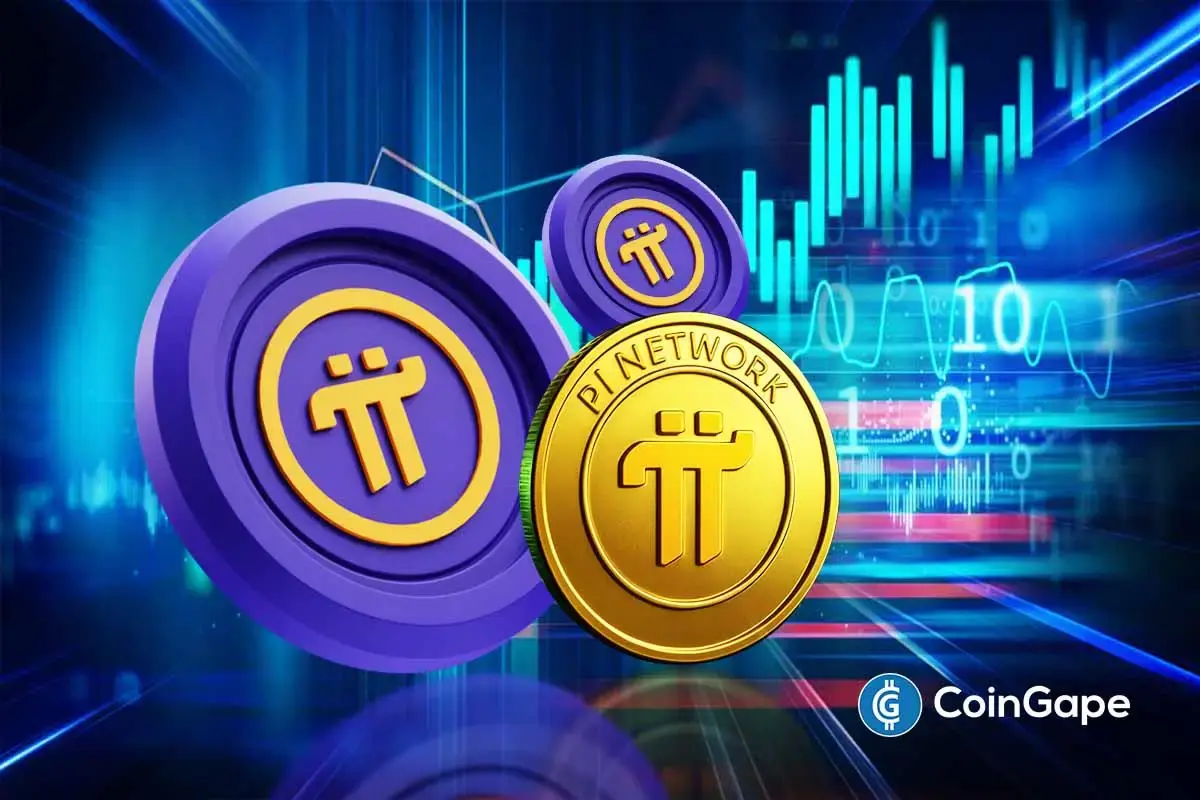
The Pi Network, a digital currency initiative that has generated substantial interest, finds itself embroiled in legal controversy following the filing of a lawsuit in the U.S. District Court in California. The lawsuit, attributed to an investor’s claims, accuses the development team of mismanagement and making misleading statements about the project. Dr. Altcoin, a notable expert in cryptocurrency, has come forward to challenge these allegations, stating that they are “flawed on multiple levels” and that they demonstrate a lack of understanding about Pi’s market dynamics.
Misrepresentation of Facts in the Lawsuit
Dr. Altcoin’s criticisms focus specifically on the claims made in the lawsuit regarding Pi’s market performance. Plaintiffs argue that the price of Pi tokens has dramatically plummeted from a purported high of $307.49 to merely $1.67. This assertion has been categorically denied by Dr. Altcoin, who accurately points out that Pi tokens have never traded above $3 on any platform. Such discrepancies highlight the potential for misinformation regarding the project’s legitimacy and its market history, raising questions about the foundation on which the lawsuit is built.
Weakness of Allegations
Central to the lawsuit are claims that the Pi team unlawfully transferred 5,137 Pi tokens from the plaintiff’s wallet without consent. Dr. Altcoin has dismissed these claims as weak, emphasizing that there is no concrete evidence supporting allegations of internal misconduct or unauthorized access. The lack of substantial evidence undermines the lawsuit’s credibility and raises concerns regarding its viability in court. This skepticism signals that the plaintiffs may be relying on sensational claims without a solid foundation in fact.
Legal Complaints and Investor Concerns
The lawsuit against the Pi Network has drawn attention not only for its content but also for the broader implications it may have on investor confidence. Plaintiff Harro Moen has alleged that over 5,000 Pi tokens were unfairly removed from his verified wallet, alongside delays in transferring additional tokens to the network’s Mainnet. These claims suggest growing dissatisfaction among investors and have contributed to unease regarding the management of the project. However, the assertion that the developer, SocialChain, secretly sold 2 billion tokens and maintained undue control through centralized validator nodes amplifies concerns, highlighting issues of transparency that the Pi Network must address.
Financial Implications and Market Reaction
The financial ramifications of the lawsuit extend beyond legal battles. Following the news, Pi’s market price dipped by 4.35% within just 24 hours, reflecting the immediate impact of investor sentiment on cryptocurrency prices. Additionally, the upcoming unlocking of approximately 82 million Pi tokens within the next month—at a rate of about 6 million tokens daily—raises concerns about potential sell-side pressure that could further affect the token’s price. Such developments underscore the volatile nature of cryptocurrency markets and the importance of maintaining investor trust.
Positive Developments Amidst Challenges
Despite the ongoing controversies, the Pi Network is making strides to enhance its legitimacy and operational capabilities. The project has recently registered under the European Union’s MiCA framework, positioning itself for entry into significant European markets. Such regulatory recognition is a crucial step for establishing legitimacy and could bolster investor confidence in the long term. Furthermore, the Pi team has also initiated changes to simplify the verification process, leveraging artificial intelligence tools to reduce delays in Know Your Customer (KYC) procedures, thereby improving user experience.
Conclusion: The Future of Pi Network
As the legal challenges continue to unfold, the Pi Network stands at a crossroads. While Dr. Altcoin’s insights provide a counter-narrative to the allegations, the project must address investor concerns and enhance transparency to re-establish faith in its operations. The convergence of legal scrutiny, market volatility, and strides towards regulatory compliance paints a complex picture for Pi’s future. How the development team navigates these challenges will ultimately determine the project’s trajectory in the ever-evolving cryptocurrency landscape.