



DTCC Receives SEC Approval to Tokenize Traditional Assets: A New Era in Financial Services
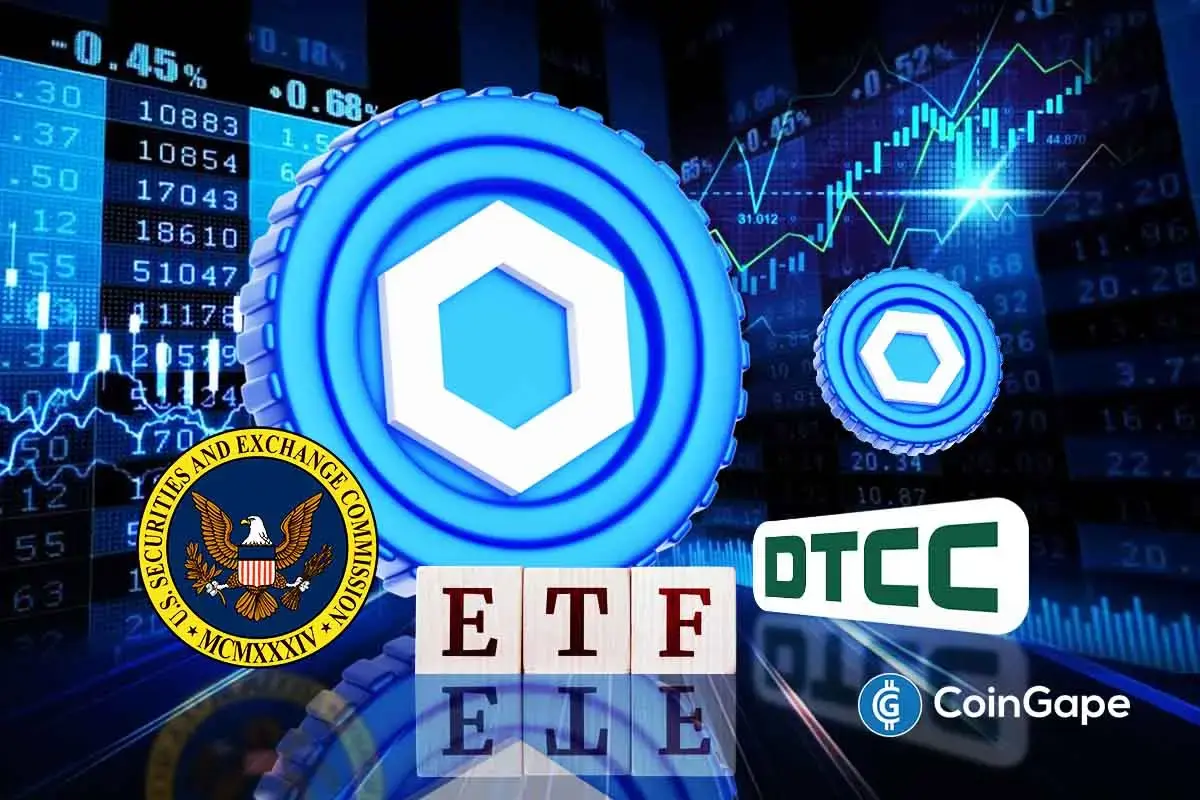
The Depository Trust & Clearing Corporation (DTCC) has made headlines by securing approval from the U.S. Securities and Exchange Commission (SEC) to initiate the tokenization of traditional assets. This marks a pivotal moment in the evolution of finance, allowing DTCC, through its subsidiary Depository Trust Company (DTC), to explore blockchain technology for asset management. The operation will commence in the latter half of 2026, as announced in a recent press release. This development opens doors not only for DTCC but also for key partnerships, notably with Chainlink, a potentially major collaborator in this transformative journey.
Understanding DTCC’s SEC Approval
The SEC issued an unprecedented No-Action Letter to DTCC, permitting the launch of a controlled tokenization service over the next three years. This letter is a significant milestone, allowing DTC to introduce blockchain-based traditional securities on approved Layer 1 and 2 networks. Notably, the service initially targets a carefully selected range of liquid assets, including stocks listed in the Russell 1000, prime index-tracking ETFs, and various U.S. government debt securities. Frank La Salla, DTCC’s President and CEO, emphasized that the tokenization of U.S. securities could unlock unprecedented advantages, including enhanced collateral mobility, new trading methodologies, and around-the-clock access.
Limited Initial Access for Monitoring
For the initial phase, services will be restricted to DTC participants and their clients, which is a strategic move aimed at maintaining close oversight of the operations. Such precautionary measures are vital, particularly in navigating the nascent landscape of digital assets and ensuring compliance with regulatory standards. No-Action Letters from the SEC are rare, positioning this approval as a sign of evolving regulatory attitudes towards blockchain technology in the financial industry. Industry experts believe that this could foster a more supportive environment for financial innovations utilizing blockchain.
Chainlink’s Strategic Advantage
Chainlink stands to gain significantly from DTCC’s ambitious plans. Having partnered with DTCC since 2024, Chainlink has laid the groundwork for integrating blockchain technology into traditional asset management. The recent Smart NAV Pilot, completed successfully with Chainlink’s Cross-Chain Interoperability Protocol, showcased the potential of sharing net asset value (NAV) data across differing blockchain networks. This pilot serves as a vital precursor to the full-scale launch of DTCC’s tokenization initiative, enabling efficient data sharing post-trade.
Innovation in Financial Markets
During an industry gathering, DTCC’s CTO Dan Doney highlighted that collaboration with innovative partners like Chainlink enables rapid advancements in improving settlement systems and modernizing financial markets. The integration of blockchain technology is expected to streamline processes and support the creation of programmable assets. With interest in blockchain-based financial products surged, monthly transaction volumes recently surpassed $1.4 billion, indicating robust market appetite and the potential for disruptive transformation.
Conclusion: A New Frontier for Finance
In conclusion, DTCC’s SEC approval signals a transformative shift in the financial landscape, with the tokenization of traditional assets set to redefine how securities are managed and traded. As the project unfolds, the partnership between DTCC and Chainlink could serve as a model for how legacy financial systems can embrace blockchain technologies. With a controlled launch planned for the second half of 2026 and early access for select participants, the foundation is laid for the future of finance, blending tradition with innovation. The impact of these developments extends far beyond mere operational improvements; they herald a new era of financial accessibility, efficiency, and programmability, thus enriching the investor experience and potentially reshaping the entire financial ecosystem.