



The SEC’s Canary Litecoin ETF Delay: Implications for the Crypto Community and Market Trends
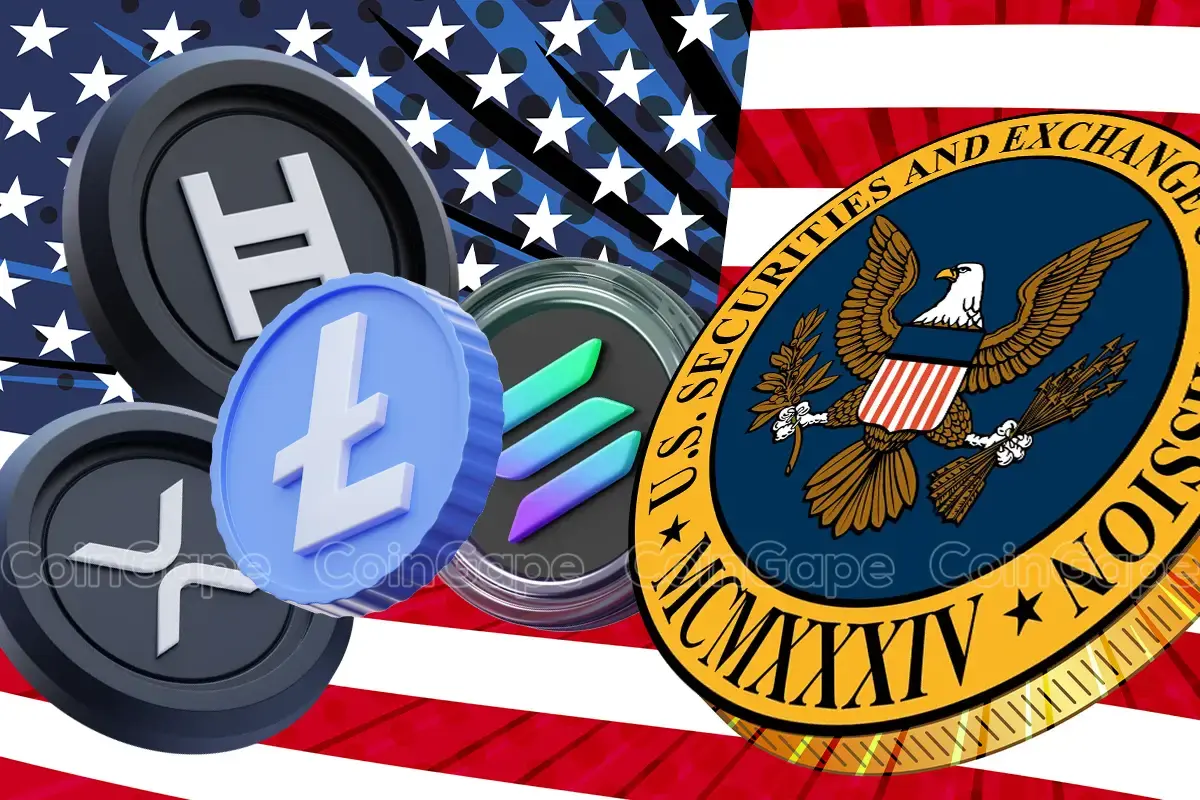
The U.S. Securities and Exchange Commission (SEC) has made headlines once again by failing to meet its final deadline for the approval of the Canary Litecoin ETF, primarily due to the ongoing government shutdown. This situation has sparked concerns within the cryptocurrency community, particularly about the future of other altcoin ETFs. With significant implications for crypto investments, it’s essential to understand the ramifications of this delay and what it means for the future of exchange-traded funds (ETFs) in the crypto space.
Understanding the SEC Delay on the Canary Litecoin ETF
On October 2, the SEC was expected to either approve or deny the Canary Litecoin ETF, marking a critical moment for altcoins under the Securities Exchange Act of 1933. Unfortunately, the agency has not made a decision, primarily attributing the delay to the current government shutdown. This has led to anxiety among investors, raising many questions about how this postponement might affect the SEC’s decisions on other notable cryptocurrencies such as XRP, Solana (SOL), Dogecoin (DOGE), Cardano (ADA), and Hedera (HBAR).
Bloomberg’s ETF analyst, James Seyffart, pointed out that while the SEC has missed this deadline, the possibility remains that it could still approve more altcoin ETFs in the future. He emphasized that once government functions resume, the SEC could theoretically approve these ETFs at any time. Additionally, a final decision regarding Solana ETFs is due as soon as October 10, while XRP and Dogecoin ETF decisions are anticipated next week, creating an environment of uncertainty.
The Role of Generic Listing Standards
The SEC’s approach to ETF approvals is evolving, with Seyffart indicating that the agency prefers issuers to file under the new Generic Listing Standards. This change could potentially make the original deadline less significant than originally thought. Analyst Seyffart expressed uncertainty about how the government shutdown could impact pending ETF approvals, highlighting that while S-1 filings remain valid, all 19b-4 filings have been requested to be withdrawn.
This shift towards Generic Listing Standards may simplify the application process for future ETFs, but the current situation presents a conundrum for investors. While they await clarity from the SEC, the market continues to fluctuate based on speculation and news surrounding ETF approvals, making this a critical time for investors to stay informed.
Market Response: Litecoin Price Surge
Despite the SEC’s delay on the Canary Litecoin ETF, the price of Litecoin (LTC) has experienced a notable surge of over 15% in just a week, currently trading at $117.92. This uptick occurred even amid uncertainties regarding the ETF’s future, showing a resilient interest in the asset. The 24-hour trading limits range from a low of $117.40 to a high of $122.46, indicating active trading despite a 5% decrease in volume over the last 24 hours attributed to speculation surrounding the Canary Litecoin ETF.
Interestingly, data from CoinGlass reveals a significant increase in buying activity within the derivatives market. The total open interest for LTC futures has surged to $962.89 million, marking a 4% increase in the last 24 hours and almost 25% over the past week. This bullish sentiment suggests that investors remain optimistic about Litecoin’s potential, despite the uncertainty surrounding ETF approvals.
Mixed Sentiments in LTC Futures Trading
Analyzing the sentiment within the LTC futures market further illustrates the uncertainty surrounding the ETF situation. Over different time frames, the open interest in LTC futures displayed mixed signals. Notably, the 4-hour LTC futures open interest on Binance dropped by 0.80%, while significant increases were observed on platforms like OKX and Bybit, where open interest rose by 0.60% and 0.75%, respectively.
This mixed trading sentiment could indicate that while some traders remain skeptical about Litecoin’s short-term prospects given the ETF delay, others are seizing the moment to invest in LTC for potential long-term gains. The divergence in sentiment highlights the dynamic nature of the crypto market and the varying perspectives traders have on immediate developments related to the SEC.
Future Implications for ETF Approvals
As the SEC continues to grapple with its current challenges, the crypto community eagerly anticipates how the agency will proceed with ETF approvals and whether it will lean towards a more accommodating regulatory framework. The delay of the Canary Litecoin ETF serves as an important lesson for investors, emphasizing the inherent volatility and uncertainties in the crypto market.
If the SEC successfully approves altcoin ETFs in the near future, it could open the floodgates for institutional investments in the broader cryptocurrency market. Conversely, further delays could dampen investor enthusiasm and lead to price corrections across various altcoins. Regardless, keeping a close eye on upcoming announcements and regulatory changes will be crucial for any investor looking to navigate this landscape effectively.
Conclusion
The recent SEC delay on the Canary Litecoin ETF has raised several pressing questions within the cryptocurrency space. While the current government shutdown remains a significant factor, the market’s response indicates a complex mix of optimism and caution among investors. As the SEC aims for a more structured approach to ETF filings, the evolving dynamics of the crypto market will be pivotal for future investments.
Moving forward, investors should remain vigilant and informed, considering both market trends and regulatory developments that could influence the approval processes of not only Litecoin ETFs but other promising altcoins as well. As “ETF Uptober” unfolds, the significance of these developments will undoubtedly shape the future of cryptocurrency investment strategies.