



XRP’s Legal Status: A Closer Look at the Ripple Debate
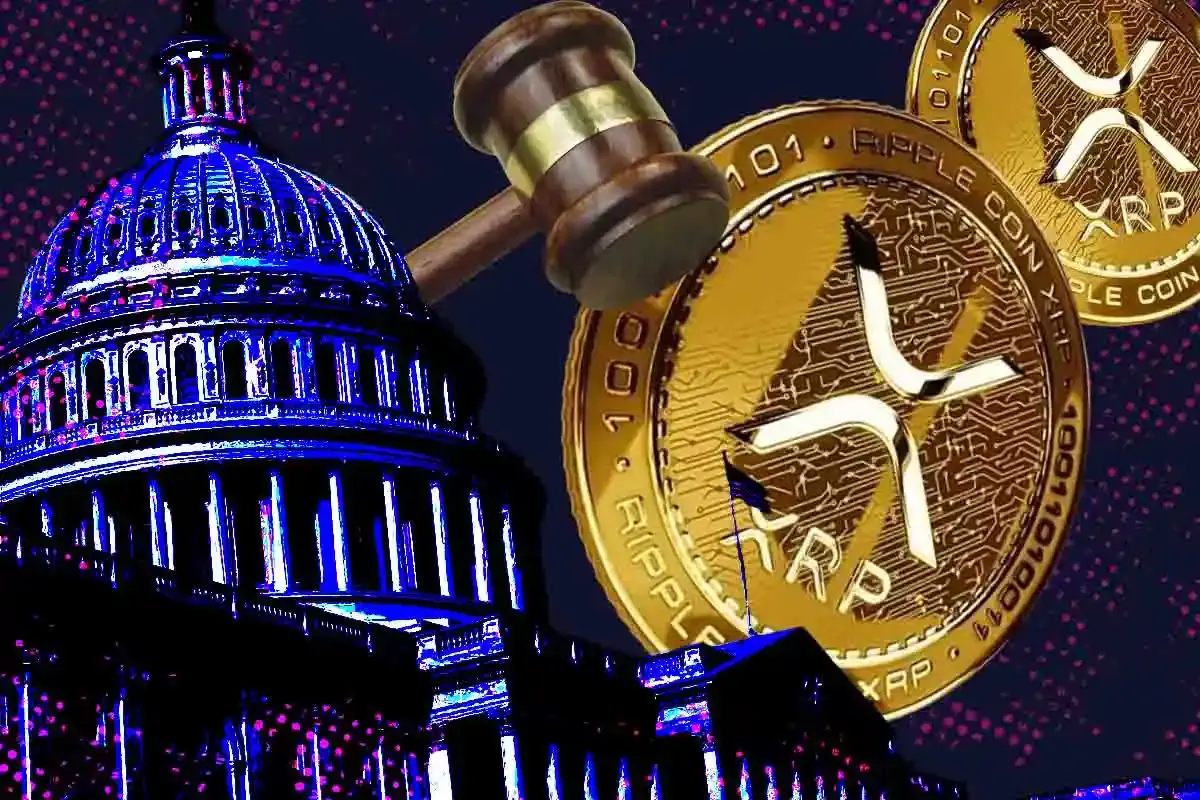
The discourse surrounding XRP’s legal status has gained momentum on the X platform, where Ripple lawyer Bill Morgan stepped into a heated controversy. The crux of the debate revolves around claims that question the clarity of XRP’s legal framework and its institutional support. Notably, Morgan has defended XRP vigorously against these assertions, prompting a deeper examination of the implications of the ongoing Ripple lawsuit.
Morgan’s Rebuttal: Standing By XRP’s Clarity
In response to critical remarks about XRP’s legal position, Bill Morgan argued vehemently that the assertion of XRP lacking legal clarity is fundamentally flawed. His rebuttal centered on recent judicial opinions, particularly the ruling by Judge Analisa Torres in the Ripple lawsuit, which stated that XRP is not classified as a security. Underpinning Morgan’s defense is a belief that the ruling adds significant legal clarity to XRP’s status, a claim that he bolstered by stating, “To say XRP has no legal clarity is the biggest lie I have seen in crypto this year.” This assertion suggests that Morgan views XRP in an advantageous position compared to other cryptocurrencies, such as Bitcoin, which he believes lacks similar legal definitional structure.
The Ripple Ruling: A Turning Point for Cryptocurrency
Judge Torres made a pivotal ruling in 2023 that delineated XRP’s status. While she recognized that some institutional sales of XRP may involve securities transactions, her conclusion that the token is not a security when sold on exchanges marked a significant victory for Ripple and the broader cryptocurrency landscape. This ruling has profound implications for how XRP is treated in trading environments, providing a framework within which users can engage without the fear of legal repercussions. Morgan emphasized that legal clarity for XRP has been established, advocating for the need to move past fears and focus on future developments.
Community Perspectives: Ripple’s Legal Standing
The larger cryptocurrency community has also begun to view XRP favorably in the context of legal clarity. Legal experts and analysts, such as Fred Rispoli and Digital Asset Investor, have expressed that XRP stands out as a cryptocurrency with an established legal foundation. Rispoli’s comments indicating XRP and Bitcoin as the only large-cap tokens possessing legal clarity further underscore the shift in perception regarding XRP’s viability. This consensus within the community suggests a growing confidence in Ripple’s ability to navigate regulatory scrutiny, positioning XRP as a more secure investment compared to peers.
Recent Developments: The Mysterious Filing
The dialogue surrounding XRP has been invigorated by the emergence of new filings related to the Ripple lawsuit. Bill Morgan recently highlighted Justin Keener’s motion to present “decisive evidence,” an act that has sparked speculation about its implications on the case’s outcome. Such motions could hold the potential for further judicial clarification or insight into the Ripple case. The anticipation of interpretations emerging from such filings offers a reminder of the dynamic and evolving nature of legal proceedings in the cryptocurrency space, where the consequences can significantly impact market behavior.
Legal Clarity Amidst Cryptocurrency Uncertainty
As the cryptocurrency sector grapples with an increasing number of legal challenges, the legal clarity that Ripple has begun to establish for XRP emerges as a beacon. Morgan’s assertions and the recent judgments in the Ripple lawsuit stand out as a precedent in an industry often characterized by ambiguity. The Ripple case serves as a critical reference point as other cryptocurrencies confront similar regulatory challenges. Morgan’s defense emphasizes that XRP has set a benchmark for legal clarity amid a multitude of uncertainties that continue to afflict the broader cryptocurrency community.
Conclusion: Heading into the Future
In conclusion, the debate over XRP’s legal status continues to garner attention, especially considering the potential ramifications of ongoing legal proceedings. Bill Morgan’s defense highlights the growing consensus that XRP has carved out a measure of legal clarity that positions it favorably in the eyes of investors and regulators alike. The interplay between judicial rulings, community perceptions, and unexpected developments keeps the conversation about XRP vibrant. As Ripple continues to navigate its legal landscape, many eyes will remain glued to the outcome of these proceedings, which could ultimately redefine the landscape of digital currencies. Understanding these dynamics will be critical for anyone involved in or considering involvement in the cryptocurrency sector.