



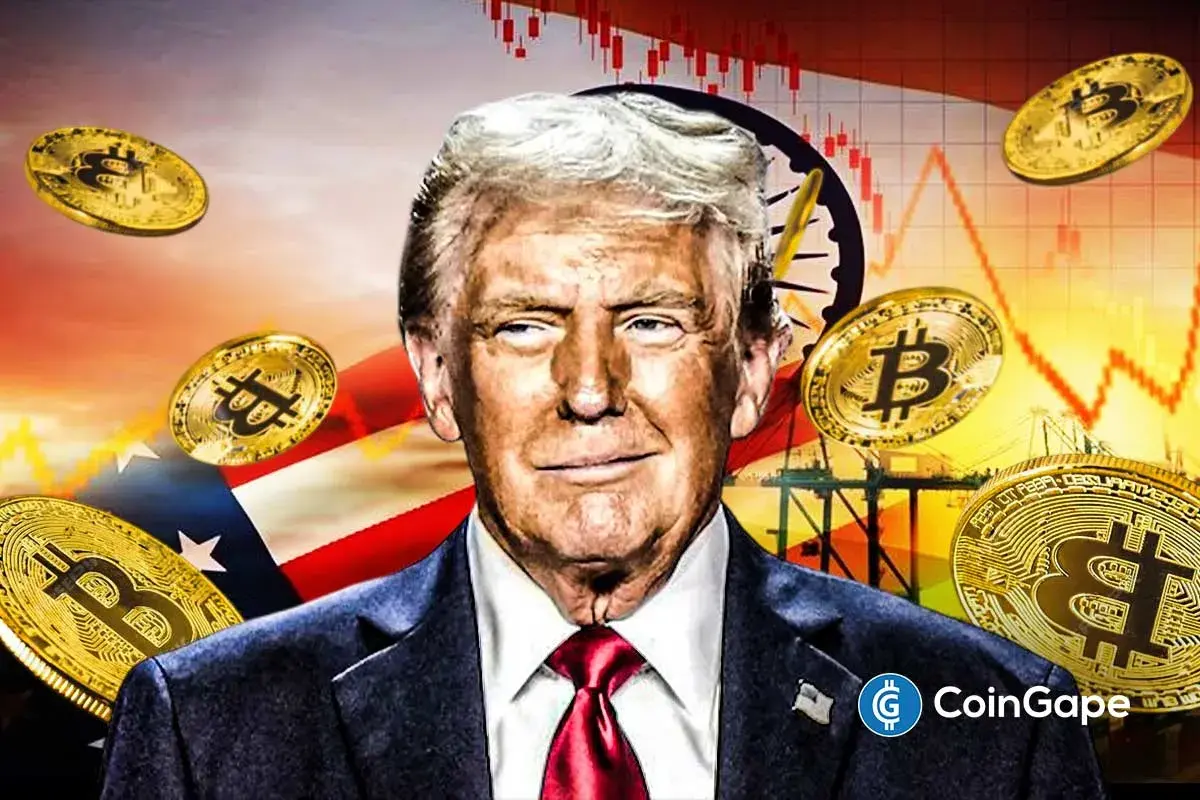
The Resurgence of the Crypto Market: Insights from the US-India Trade Agreement
Introduction to the US-India Trade Deal
The recent recovery in the cryptocurrency market can largely be attributed to the interim trade agreement reached between the United States and India. In a significant announcement, President Donald Trump has eased tax responsibilities on Indian goods, which in turn has breathed new life into the crypto sector. After enduring months of trade friction and heightened policy scrutiny, the new framework aims to lower tariffs on Indian imports and strengthen bilateral economic relations. Notably, the tariffs on Indian goods shipped to the U.S. have been reduced from an imposing 50% to a more manageable 18%, creating a conducive environment for trade and investment.
The Framework of the Agreement
The interim trade agreement is not just another political maneuver; it serves as a vital stepping stone toward a more comprehensive Bilateral Trade Agreement (BTA). Following discussions initiated by both Prime Minister Narendra Modi and President Trump, the agreement embodies mutual interests aimed at enhancing market access and fostering resilient supply chains. According to a statement from the White House, this partnership will extend beyond immediate trade benefits to encompass broader discussions on investment policies, export controls, and collaborative efforts to counter unfair practices in global trade.
Implications for Economic Growth
The implications of this trade deal extend beyond the immediate tariff adjustments. India has signaled its intention to acquire nearly $500 billion worth of American goods over the next five years, marking a robust commitment toward deepening trade ties. This includes purchases of energy supplies, aircraft, precious metals, and cutting-edge technology products. Prime Minister Modi has emphasized that this partnership reflects a deepening trust and mutual benefit, promising increased opportunities for farmers, entrepreneurs, and small businesses in India. This economic synergy not only enhances bilateral relationships but also contributes to large-scale job creation, particularly benefiting women and young people.
Recovery of the Crypto Market
The ramifications of the US-India trade agreement are being felt prominently within the cryptocurrency market, which has rebounded significantly from a previously severe downturn. Following the announcement, the total market capitalization surged by an impressive 5.56%, reaching approximately $2.34 trillion. Although still at a multi-month low, this recovery has reignited optimism among investors and analysts alike regarding the potential for a market rally. Leading cryptocurrencies such as Bitcoin, Ethereum, and XRP have witnessed marked increases in value, prompting discussions about the future direction of the market.
Key Cryptocurrency Performance Insights
Bitcoin, for instance, which had dipped to a low of around $60,000, has surpassed the $70,000 threshold. Similarly, Ethereum, after nearing a low of $1,500, has managed to stabilize around the $2,000 mark. Despite the revival, analysts remain hesitant to conclude that a definitive end to the crypto winter is near. However, should these cryptocurrencies sustain their current levels, the prospect of an impending rally could very well become a reality.
Conclusion: Looking Ahead
In summary, the newly forged US-India trade agreement is not just pivotal for traditional trade but is undeniably influencing the crypto landscape as well. The reduction in tariffs has created a fertile ground for investment and growth, enhancing the prospects for both nations’ economies. As the crypto market shows preliminary signs of recovery, stakeholder optimism is on the rise. The road ahead is fraught with uncertainties, yet the foundations for a promising future are steadily being laid. Investors and market participants will be keenly watching the developments in this burgeoning trade relationship as they navigate the complexities of the ever-evolving crypto economy.
By understanding the interconnections between international trade agreements and market dynamics, stakeholders can better position themselves to capitalize on emerging trends, making informed decisions as the landscape shifts.