


U.S.-Iran War Negotiations: A Critical 45-Day Ceasefire Proposal
Negotiations between the U.S. and Iran have reached a pivotal stage as officials from both nations, along with regional mediators, discuss a proposed 45-day ceasefire aimed at averting further military escalations. This initiative marks a crucial effort to prevent large-scale conflicts that could destabilize not just the region, but also global geopolitics at large. With deadlines looming and military strategies still in preparation, the urgency to find common ground is greater than ever. Mediators from Pakistan, Egypt, and Türkiye are key players in these discussions, ensuring that ongoing dialogue remains constructive and focused.
Proposal Overview: The 45-Day Ceasefire
According to a recent report by Axios, the proposed ceasefire is structured in two critical phases designed to usher in stability. Initially, the 45-day ceasefire seeks to halt hostilities, allowing both parties to engage in broader negotiations. The second phase aims for a permanent settlement that would address significant issues, including Iran’s uranium stockpile and the reopening of the vital Strait of Hormuz, a key maritime route for global oil shipments. Although U.S. officials have reportedly submitted multiple proposals to Iran, progress remains stalled, as Iranian authorities have yet to accept any of the terms on the table. As part of the negotiation process, mediators are exploring interim measures to ensure that the ceasefire can be sustained with the United States providing necessary assurances.
Concerns Regarding Temporary Agreements
Iranian officials have expressed skepticism regarding temporary agreements, drawing parallels to past ceasefires experienced in Gaza and Lebanon, where fighting resumed swiftly after supposed truces. This cautionary stance poses a significant challenge as U.S. and Iranian negotiators explore potential solutions. The history of failed short-term agreements adds an additional layer of complexity to the discussions, as both sides grapple with mistrust. Therefore, achieving a long-term solution is essential, not just for peace in the region but also for the credibility of ongoing diplomatic efforts.
Geopolitical Divisions and International Support
The ongoing U.S.-Iran War has amplified geopolitical divisions, particularly among U.S. allies in Europe. Countries like Spain, France, and Italy have notably declined to back U.S. military efforts, raising questions about the unity of long-standing alliances. Spain has even closed its airspace to U.S. aircraft associated with the conflict, while France has denied Israeli planes carrying munitions. Germany has echoed similar sentiments, refusing U.S. requests for support amid concerns over the strategies being employed in the conflict. These developments signal rising tensions not just between the U.S. and Iran, but also among Western nations, complicating diplomatic pathways and raising questions about future collaborative efforts.
The Road Ahead: Timelines and Military Strategies
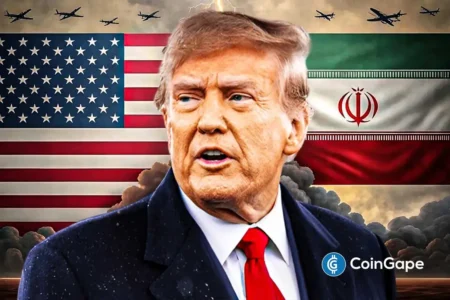
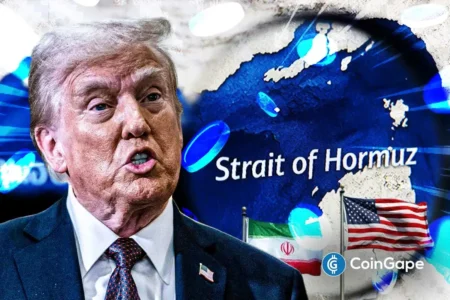
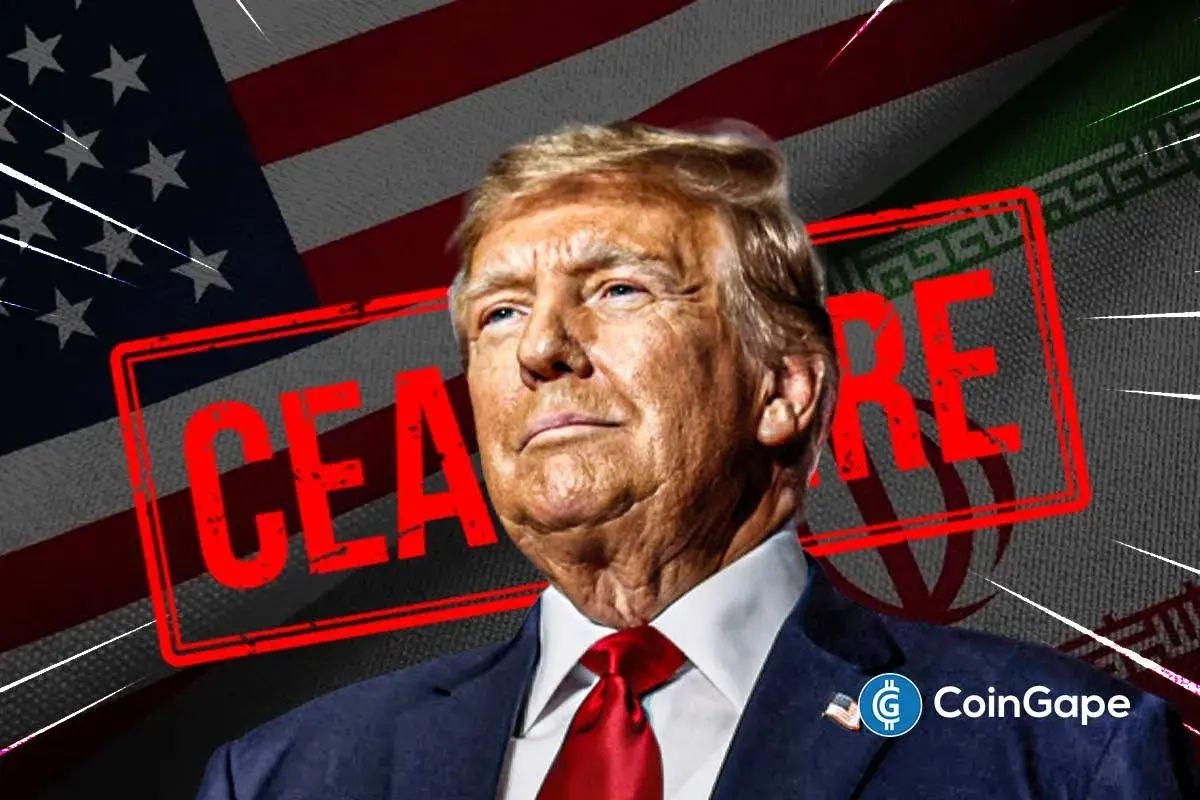
The timeline for resolution is intensifying, especially following former President Donald Trump’s recent extensions on the negotiation deadline. Initially set for 10 days, the deadline was pushed by 20 hours, now marked for imminent conclusion. Trump has hinted that a deal could still be feasible but has issued stark warnings regarding potential consequences if negotiations collapse. In a recent statement, he suggested that U.S. military targets in Iran could include critical infrastructure such as power plants and bridges, should Iran fail to comply regarding the reopening of the Strait of Hormuz. Furthermore, reports indicate that a joint U.S.-Israeli plan is prepared, should diplomatic channels falter, aimed at targeting Iran’s energy facilities.
Economic Implications: Oil Prices and Cryptocurrency Markets
The growing severity of the conflict has also influenced global economic markets. Recent reports indicate that crude oil prices have surged past $111 due to escalations in the Bab el-Mandeb Strait, which plays a crucial role in supplying up to 9% of the world’s oil. Financial markets have shown a positive trend recently, largely fueled by Trump’s assertive stance, indicating potential military escalation if dialogues break down. Alongside these developments, the cryptocurrency market has displayed signs of recovery, with Bitcoin prices soaring over $70,000—up by 3.9% on the day of reporting. Other cryptocurrencies, such as Ethereum and Solana, have also posted gains of 5% and 3%, respectively.
In conclusion, the ongoing negotiations surrounding a proposed 45-day ceasefire between the U.S. and Iran represent a crucial juncture in a highly volatile geopolitical landscape. While the stakes are undeniably high, the challenge remains to bridge gaps in communication and establish a framework for lasting peace. As both sides continue discussions, the international community watches closely, aware that the implications of their decisions will reverberate far beyond their borders.