



Clash Between Lawmakers and Federal Reserve Over Kraken’s New Account
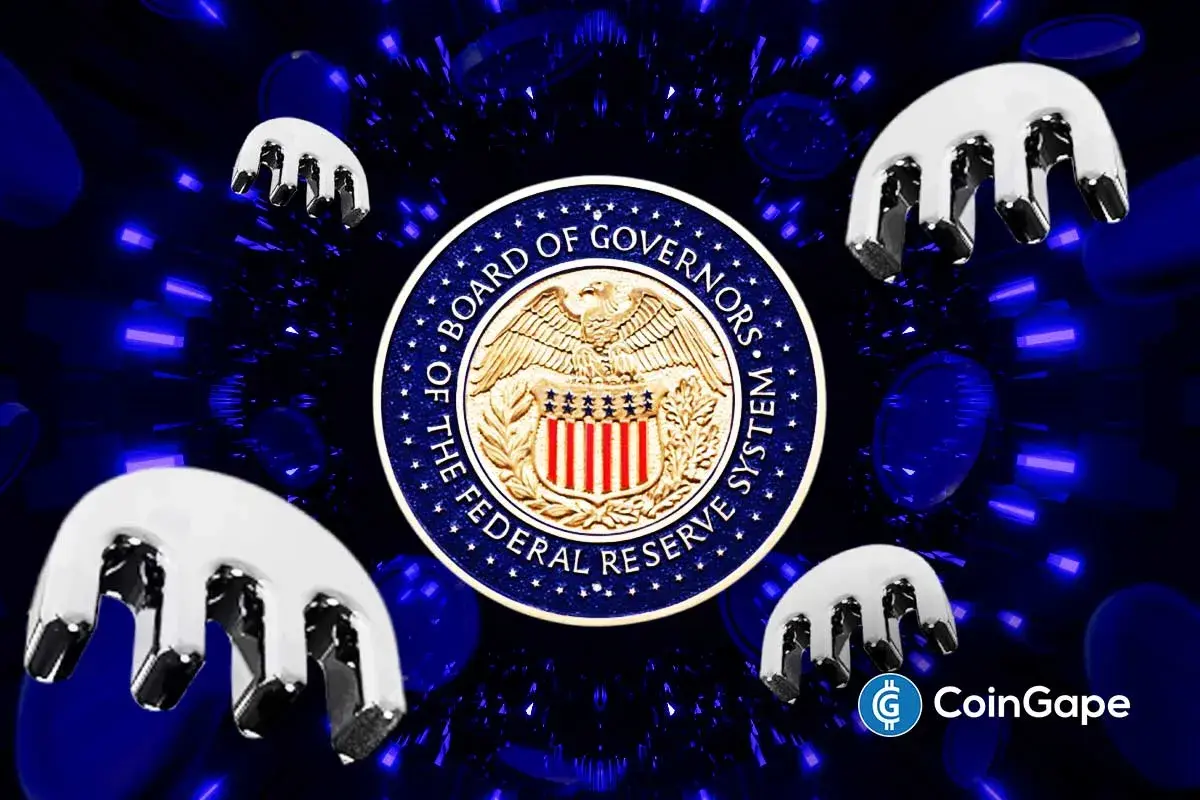
A significant clash is unfolding between U.S. lawmakers and the Federal Reserve regarding the recent approval of a limited-purpose master account for the cryptocurrency exchange Kraken. This decision has cast doubt on the transparency and legal compliance of the Federal Reserve’s operations, prompting calls for clarity from lawmakers, particularly Democratic Representative Maxine Waters. At the center of this controversy is the question of whether Kraken’s access to the Fed’s payment infrastructure adheres to established standards.
Transparency Concerns Arise
The controversy started with the Federal Reserve Bank of Kansas granting Payward Financial—operating as Kraken Financial—access to its payment system via a so-called “limited-purpose account.” Rep. Waters has expressed her concerns in an official statement, emphasizing the lack of specific information disclosed in the Kansas Fed’s announcement. According to her, the announcement didn’t clarify the nature of Kraken’s access to Federal Reserve financial services, raising eyebrows about the procedural transparency surrounding the approval process.
Waters highlighted a crucial issue: both existing laws and the Federal Reserve’s Account Access Guidelines make no mention of a "limited-purpose account." This glaring omission raises fundamental questions about the legality and transparency of the approval granted to Kraken. As the scrutiny around Kraken’s new account intensified, the Fed’s operational practices became a focal point of concern.
The Request for Clarification
In light of these transparency issues, Rep. Waters sent a letter to Jeff Schmid, President of the Kansas Federal Reserve, seeking detailed answers about the legal framework underpinning Kraken’s approval. She pointed out that the absence of a clear definition or guidelines for the type of account granted to Kraken poses significant questions about the Federal Reserve’s consistency in its decision-making processes. Waters demanded detailed information regarding the services offered through this account, including whether it allows for payments, cash handling, or securities transfers. Uncertainty also looms over whether there are any restrictions on the usage of the account, including balance limits or overdrafts.
This situation comes at a precarious time for the Federal Reserve, as it navigates an uncertain landscape regarding interest rates. Chicago Fed President Austan Goolsbee has indicated that a rate hike may be in the works, further complicating the Fed’s current climate of decision-making efficiency and transparency.
The Custodia Dilemma
The discrepancies between Kraken’s approval and Custodia Bank’s protracted struggle for similar access have drawn particular attention to the Federal Reserve’s decision-making practices. Custodia Bank, which spent almost five years pursuing access to the Federal Reserve system, found itself on the losing end of a court ruling. This dichotomy between the experiences of a chartered bank and a cryptocurrency exchange like Kraken has intensified scrutiny surrounding the Fed’s decision-making process.
Rep. Waters has notably questioned why Kraken, a crypto exchange, received faster approval compared to a traditional chartered bank. This disparity raises more questions about the fairness and consistency of the Federal Reserve’s account approval processes.
Regulatory Implications
The developments surrounding Kraken’s account approval carry significant regulatory implications for the U.S. financial landscape. As cryptocurrency exchanges like Kraken gain increasing access to formal financial structures, the foundational principles upon which traditional banking operates may face challenges. The duality of approvals and account access creates a landscape rife with potential regulatory disparities that could lead to tighter scrutiny in the future.
The concerns raised by Waters also reflect broader anxieties about the Federal Reserve’s adaptations to the evolving nature of digital currencies and asset management. Lawmakers are likely to push for more stringent measures to ensure that all financial institutions, whether traditional banks or crypto exchanges, adhere to consistent legal and operational standards.
Conclusion: A Call for Greater Oversight
The emerging conflict between lawmakers and the Federal Reserve regarding Kraken’s recent account approval marks a critical moment for financial oversight in America. As investigations continue and opinions are aired, the necessity for clearer regulatory frameworks that govern both traditional and cryptocurrency institutions becomes more pressing.
This situation underscores the urgency for the Federal Reserve to enhance transparency in its processes and ensure that its decisions align with established laws and guidelines. With representatives like Maxine Waters leading the charge for accountability, the developments surrounding Kraken’s account will likely shape the discourse on financial regulation in the U.S. moving forward, ultimately defining how institutions can navigate the future of finance in a rapidly evolving landscape.