



The NYSE’s Tokenized Securities Platform: Opportunities and Challenges for the Crypto Industry
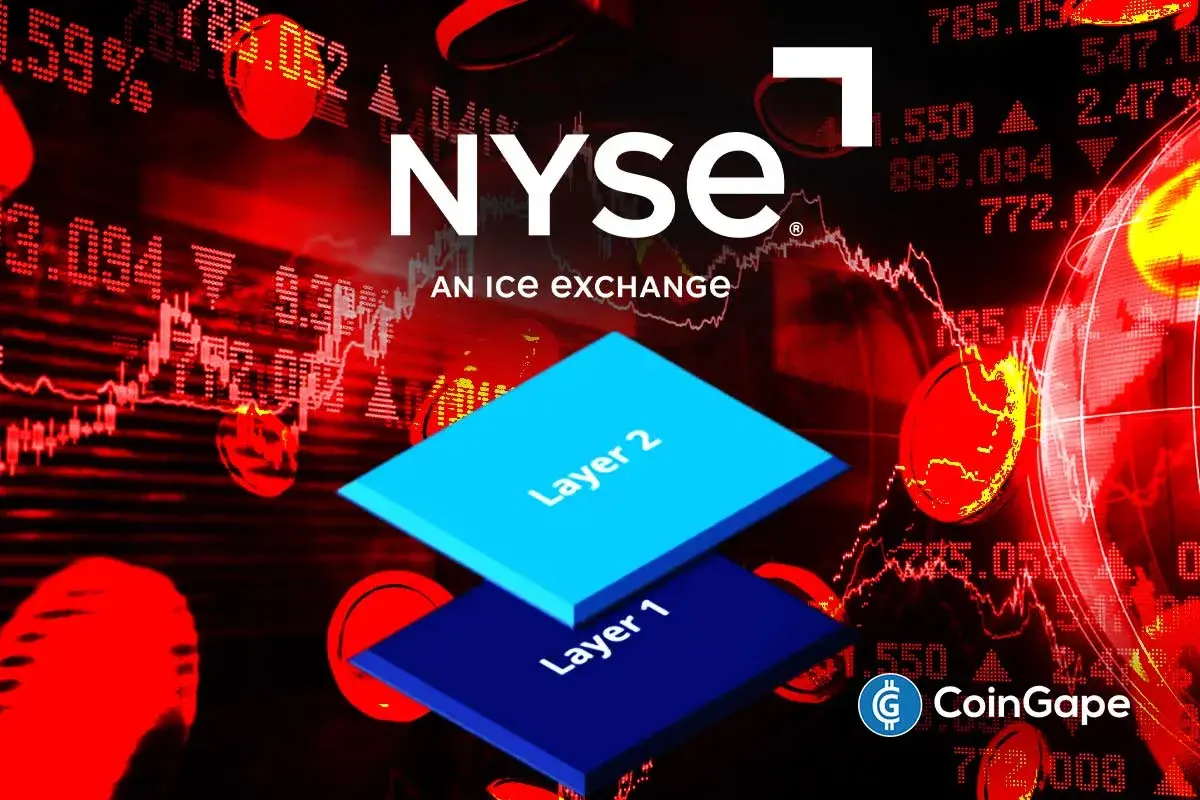
The New York Stock Exchange (NYSE) is on the verge of launching an innovative platform designed for the 24/7 trading and on-chain settlement of tokenized U.S. stocks and ETFs. This venture aims to revolutionize traditional financial products by integrating them into the blockchain ecosystem. The new capabilities include fractional shares, near-instant settlements, and stablecoin-based funding options. While proponents, like Binance’s founder CZ, herald these developments as bullish for the crypto space, others express concern that NYSE’s platform might stifle the growth of Layer-1 and Layer-2 blockchain projects.
The NYSE’s proposed tokenized securities platform combines its established Pillar trading engine with cutting-edge blockchain technology for post-trade settlements. This multi-chain capability offers flexibility, allowing for a variety of blockchain networks as the digital infrastructure continues to mature. However, details about which specific blockchains will support this initiative remain undisclosed. The NYSE’s decision to leverage private blockchain networks appears to align with current regulatory frameworks for securities trading, emphasizing the need for compliance in this evolving landscape.
Concerns loom that the NYSE’s initiative could render existing crypto-native Layer-1 blockchains, such as Ethereum, and Layer-2 solutions obsolete. Institutions may find the features of NYSE’s platform—like 24/7 trading and instant settlements—more appealing than what decentralized networks currently offer. If liquidity flows towards the NYSE’s tokenization platform, the market could witness selloffs of Layer-1 and Layer-2 tokens, directly impacting their values. Furthermore, there is worry that the decentralized ethos that underpins the crypto industry may diminish as centralized, regulated Real-World Assets (RWAs) become more dominant, leading to an overarching shift.
Adding to the complexity, experts caution that Layer-2 sequencers may be compelled to register as regulated exchanges under U.S. securities laws, particularly under the Clarity Act. The tension in the industry is palpable, with Coinbase’s choice to withdraw support for a market structure bill likely stemming from these emerging regulatory requirements. SEC Commissioner Hester Peirce has made it clear that Layer 2 chains relying on centralized sequencers may find themselves operating similarly to traditional exchanges, thereby complicating their regulatory status.
Contrary to popular belief, not everyone perceives NYSE’s tokenization push as a transformative breakthrough. Former Nasdaq options specialist Andrew Hiesinger argued that the narrative of NYSE converting stocks into crypto overnight is a misunderstanding. Instead, he emphasized that this initiative will maintain traditional trading mechanisms while shifting post-trade settlements to the blockchain. This method promises faster settlement times and improved cross-border efficiency, yet it still requires regulatory approval and extensive coordination among exchanges and clearinghouses, a process that could be lengthy.
Despite the accelerating infrastructure and regulatory framework for tokenized securities, adoption rates remain relatively low. For instance, the Depository Trust & Clearing Corporation (DTCC) recently received a no-action letter from the SEC, permitting it to provide tokenization services for assets in its custody. Although Wall Street institutions are increasingly venturing into the crypto domain, many retail investors feel that this influx hasn’t substantially benefited their holdings.
Conclusion: A Cautious Yet Hopeful Outlook
In summary, while the NYSE is poised to introduce a game-changing platform for trading tokenized securities, the implications for the broader crypto ecosystem cannot be overlooked. The potential conflicts between traditional finance and decentralized blockchain networks are emerging, posing challenging questions about the future of Layer-1 and Layer-2 projects. As regulatory landscapes evolve and institutional interest in tokenized assets increases, both opportunities and challenges will shape the next phase of this rapidly shifting industry.
For investors, developers, and stakeholders in the crypto space, keeping a close eye on these developments will be crucial in navigating the complexities of the market. As the lines between traditional finance and decentralized technology continue to blur, adaptability and a proactive approach will be key to thriving in this new environment.