




Crypto Market Overview: Understanding Recent Price Movements
Cryptocurrency prices took a downturn on Wednesday, reflecting a trend of profit-taking by traders after a profitable rally earlier in the week. Bitcoin, the market heavyweight, dipped below $93,000, experiencing a 2% decline, while Ethereum fell 0.5% to around $3,156. Despite this recent pullback, Bitcoin has managed to maintain a 6% increase since the beginning of the year, illustrating its resilience in a volatile market.
The Profit-Taking Phenomenon
The total cryptocurrency market capitalization fell by 1% to $3.24 trillion, indicating a broader market correction following consistent gains in previous weeks. Altcoins such as XRP, Solana, and Dogecoin have followed the downward trajectory, with XRP notably losing over 7%, effectively erasing its monthly gains. This collective decline highlights a cooling sentiment among traders, which was expected after last week’s impressive 4.5% growth in the market.
Impact of ETF Outflows on Prices
One factor contributing to the current market decline is the substantial selling pressure from miners and recent exchange-traded fund (ETF) outflows. Riot Platforms, for instance, reportedly sold 161 million worth of Bitcoin due to increasing liquidity demands across mining companies. Notably, on January 6, Spot Bitcoin ETFs witnessed net outflows totaling $243 million, with only BlackRock’s IBIT ETF showing any significant inflows. Ethereum ETFs, in contrast, recorded a net inflow of $115 million, indicating a potential shift in investor focus amidst the downturn.
Market Reactions to Technical Challenges
The recent rejection of Bitcoin at the crucial $94,000 price point further fueled profit-taking and short-term volatility, leading to the liquidation of over $64 million in Bitcoin positions within a span of 24 hours. The decrease in open interest by nearly 24% suggests a cautious sentiment among traders, as they reduce leverage and adjust their risk appetite. As a result, technical indicators have shifted to a neutral stance, signaling that the previous rally may have overheated and prompting traders to reassess their positions in light of this new information.
Macroeconomic Factors on the Crypto Horizon
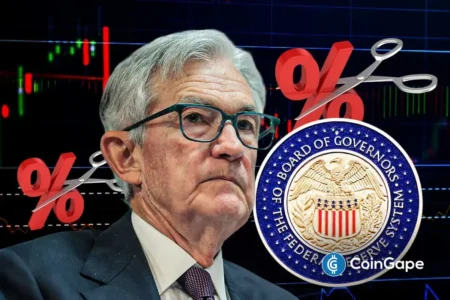
Despite the immediate price declines, the overall macroeconomic environment appears more favorable. Fed Governor Stephen Miran has described the current interest rate policy as restrictive, hinting at the potential for future easing. Recent job data from the U.S., specifically the JOLTS data, also reflects softer labor conditions, which could pave the way for interest rate reductions. Historically, declining rates have proven beneficial for digital assets, enhancing liquidity and overall market conditions.
Long-Term Sentiment Remains Resilient
The current pullback in prices may be more indicative of market consolidation rather than a complete trend reversal. Short-term sell-offs, leverage resets, and miner activities are responding to the evolving price dynamics. Encouragingly, persistent ETF inflows in Ethereum and renewed interest in various altcoins suggest that long-term investor sentiment remains intact. Traders are keeping close tabs on macroeconomic signals, ETF flows, and key technical levels as they navigate the current market.
Conclusion: A Balanced Outlook
In summary, while the cryptocurrency market has faced a notable downturn influenced by profit-taking, ETF outflows, and technical rejections, the broader landscape holds promise. Investor interest in altcoins remains strong, and positive macroeconomic signals from the Federal Reserve indicate that there may be potential for recovery. As the market finds its footing, it’s essential for traders and investors to remain informed and agile, ready to respond to both macroeconomic indicators and market sentiment as they unfold. With the current market at a neutral position, there lies a great deal of potential for future gains as the crypto ecosystem continues to mature.