


The Controversial Pardon of Binance Founder Changpeng Zhao: An Overview
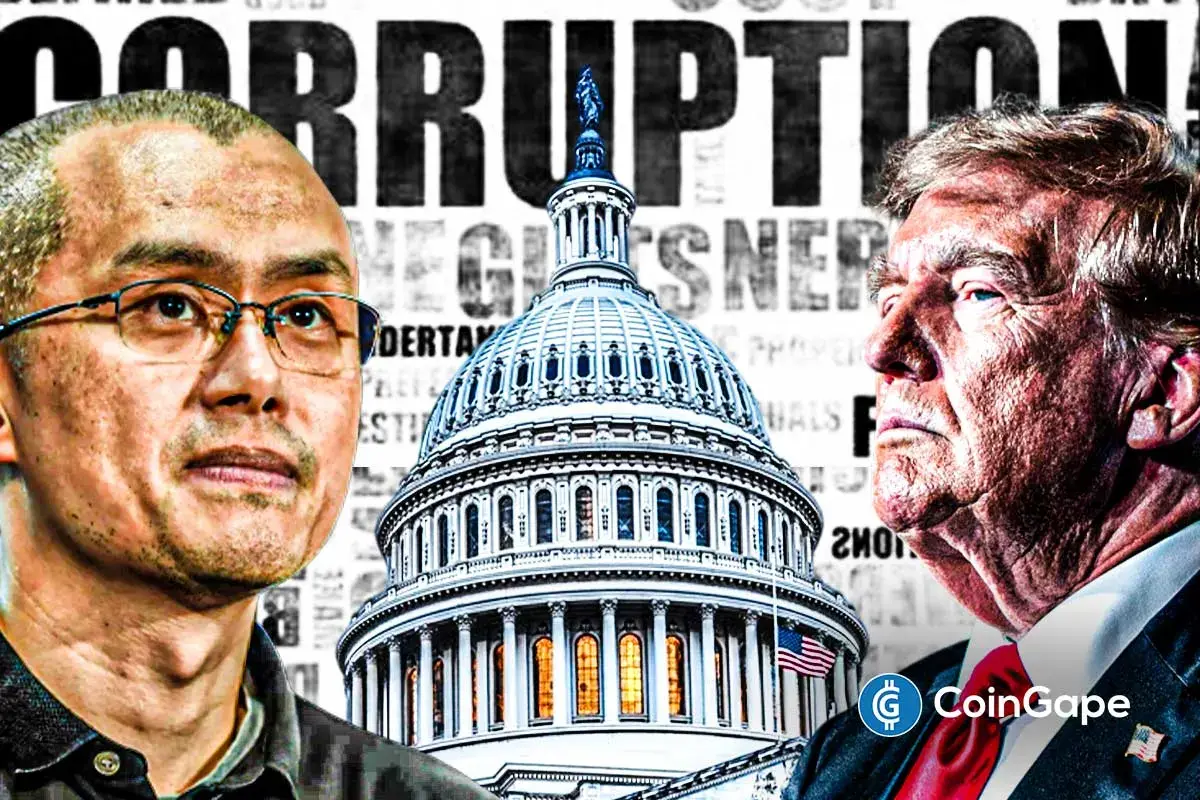
The White House’s defense of President Donald Trump’s recent pardon of Binance founder Changpeng Zhao (commonly known as CZ) has ignited considerable debate. With lawmakers and critics raising concerns about corruption and conflicts of interest, Trump’s decision has become a lightning rod for political discourse. In a press briefing, White House Press Secretary Karoline Leavitt emphasized that the administration approaches clemency matters with “utmost seriousness” and follows a meticulous review process involving the Department of Justice and the White House Counsel’s office. This article delves into the occurrences surrounding the pardon, the ensuing scrutiny, and the implications for the cryptocurrency landscape.
The Background of the Presidential Pardon
During the briefing, Leavitt defended Trump’s pardon by stating that Zhao was a victim of what she called the “Biden administration’s war on the cryptocurrency industry.” She further elaborated that even the presiding judge in Zhao’s case deemed the Biden administration’s recommended sentencing excessive. According to Leavitt, Trump is correcting a miscarriage of justice by granting Zhao clemency, thereby signaling an end to the alleged punitive measures against the crypto sector. However, this narrative is met with skepticism from various lawmakers and constituents who view the decision as politically motivated.
Examining Trump’s Relationship with CZ
The intricacies of Trump’s associations have compounded the controversy. Leavitt was quick to clarify that Trump does not have a personal relationship with Zhao, despite the pardon. This revelation followed Trump’s claim during a CBS interview that he was unfamiliar with Zhao, despite having granted him clemency. The ambiguous relationship has fueled speculation about Trump’s motivations and whether his ties to the cryptocurrency landscape may have influenced his decision-making. Critics argue that Trump’s nonchalant dismissal of pretty involved financial dealings raises questions about transparency and accountability at the highest levels of government.
Potential Conflicts of Interest
The pardon has been scrutinized due to reported connections between Binance and World Liberty Financial (WLF), a cryptocurrency enterprise backed by the Trump family. In March, Binance initiated a substantial $2 billion purchase of WLF’s stablecoin, USD1, through Abu Dhabi’s MGX investment firm. During the CBS interview, when questioned about the deal, Trump claimed ignorance, asserting that he was engrossed in other responsibilities. This lack of awareness has drawn fire from critics, such as Senator Elizabeth Warren, who have accused Trump of “blatant corruption.” Such claims bring to light the complexities of navigating governmental leadership while dealing with personal financial interests in the rapidly evolving cryptocurrency market.
Legislative Responses to Allegations of Corruption
The pardon has provoked dissatisfaction from various lawmakers, including Senator Chris Murphy, who characterized the White House as a "full-time, 24/7 corruption machine." Zhao’s conviction for violating anti-money laundering regulations only adds weight to their allegations. Zhao was sentenced to four months in prison following his guilty plea before receiving clemency. This has sparked proposals like that of Representative Ro Khanna’s, which aims to prohibit elected officials from owning or launching cryptocurrencies—a move that underscores the increasing urgency for stricter governance and oversight in the cryptocurrency realm.
Legal Fallout and the Future of Binance
In the aftermath of the pardon, legal complications have emerged, particularly with Zhao threatening to sue Senator Warren for defamation concerning her critical comments about his criminal conviction. However, Warren’s legal team has rebutted Zhao’s claims, emphasizing that her statements were based on factual and publicly accessible information. As the political discourse continues to unfold, the issue links back to Binance’s future. The exchange is reportedly looking into possibilities for re-establishing a foothold in the U.S. market. However, it currently operates Binance.US as a separate entity and commands less than 1% of U.S. Bitcoin trading volume compared to its dominant international platform.
Conclusion: The Implications for the Crypto Landscape
The pardon of Changpeng Zhao has far-reaching implications for the cryptocurrency industry and governance in general. As the debate intensifies, it raises important questions regarding the ethics of presidential pardons and their potential for abuse in a rapidly changing business environment. Given the complexities involved, from regulatory scrutiny to political backlash, the developments surrounding this pardon will likely serve as a case study for future clemency measures. Stakeholders in the cryptocurrency industry must navigate these turbulent waters with transparency in mind, as public trust remains a crucial element in the sector’s legitimacy.