



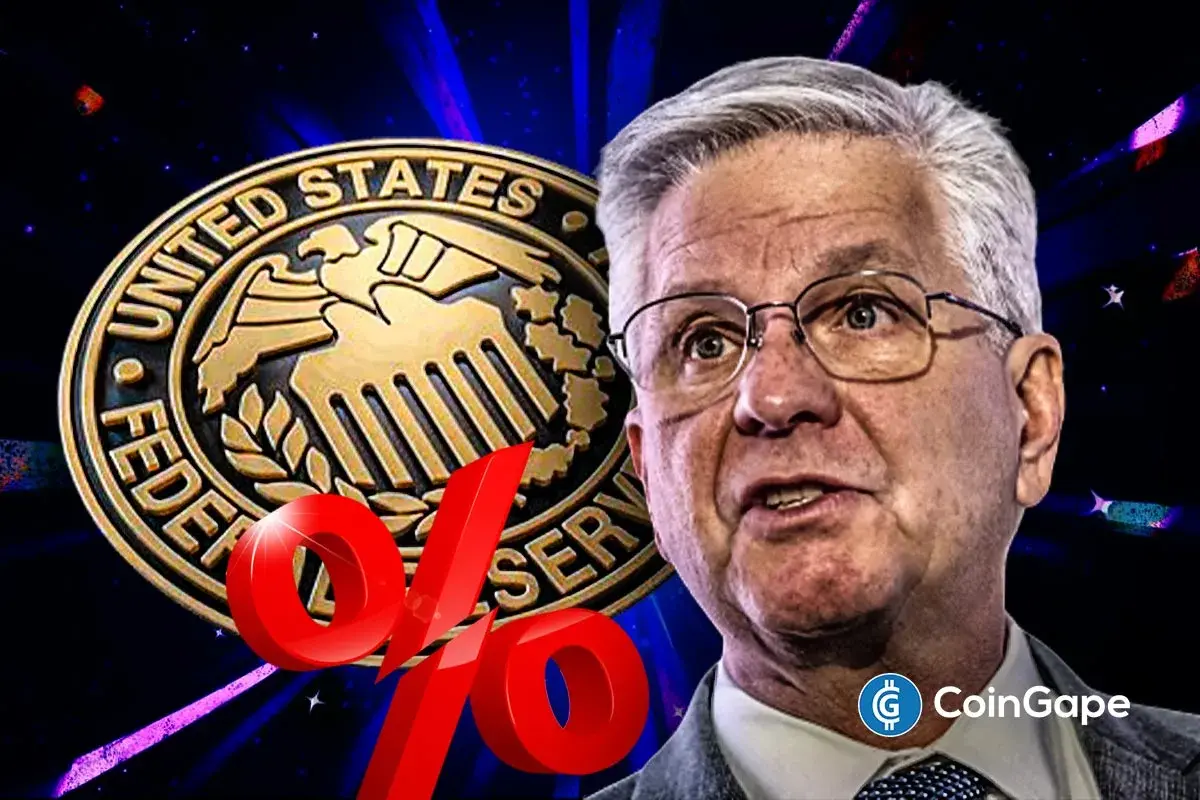

Fed Governor Chris Waller Advocates Cautious Rate Cuts Amid Economic Signals
In a recent interview with CNBC, Fed Governor Chris Waller expressed ongoing support for further cuts to the Federal Reserve’s interest rates. However, he urged caution regarding the scope of these cuts, citing the mixed signals from the current economic landscape, specifically concerning inflation and the labor market. As the crypto market anticipates an additional 25 basis point cut at both the upcoming October and December FOMC (Federal Open Market Committee) meetings, Waller’s comments are particularly timely.
Waller’s Stance on Rate Cuts
In his address, Waller reiterated his belief that the Federal Reserve needs to implement rate cuts, but emphasized the need for a measured approach. He stated that he is content with the current pace of rate reductions, advocating against a more aggressive stance. Notably, Waller has previously been a front-runner for rate cuts, having dissented in favor of a 25 basis point reduction during the July FOMC meeting, alongside Fed Governor Michelle Bowman. As the potential for a shift toward monetary easing gains traction, discussions around the scale of these cuts have intensified among Fed officials.
Diverging Opinions Within the Fed
While Waller promotes a cautious approach with an anticipated 25 basis point cut, some members of the Fed, such as Stephen Miran, have suggested more substantial cuts of 50 basis points. This divergence represents broader discussions within the Fed as officials weigh the need for monetary easing against inflationary pressures. The consensus seems to gravitate toward additional cuts, yet Waller’s call for moderation signifies the complexities at play in current economic assessments.
Economic Indicators in Focus
Waller highlighted that the U.S. labor market is showing signs of weakness, which points to a potential economic slowdown. In stark contrast, current GDP figures remain robust. The juxtaposition of a strong economy against the backdrop of inflation risks, which continue to hover above the Fed’s targeted 2% threshold, complicates the decision-making process. Waller’s caution stems from a desire to avoid hasty decisions that could yield negative long-term effects on the economy.
The Broader Consensus Among Fed Officials
Waller’s cautious approach is in line with other Fed officials, such as John Williams and Mary Daly, who have also indicated their support for rate cuts amid labor market concerns. Governors Michelle Bowman and Stephen Miran are similarly inclined towards reducing rates. This unified front conveys a growing recognition of the need for adjustments in monetary policy while still weighing the complexities of inflation and employment rates carefully. Nonetheless, there are dissenting views, with some officials, like Michael Barr, leaning more toward addressing inflation risks than endorsing aggressive cuts.
Anticipation in the Crypto Market
The crypto market closely monitors these developments, with current pricing reflecting expectations of 25 basis point cuts in the forthcoming FOMC meetings. Investors in the cryptocurrency space are particularly sensitive to interest rate changes, as adjustments can have significant impacts on liquidity and market sentiment. The interplay between monetary policy and cryptocurrency prices underlines the importance of Fed decisions, making Waller’s insights particularly relevant for market participants.
Conclusion: A Balancing Act for the Fed
As discussions of potential rate cuts evolve, Governor Chris Waller’s statements underscore the necessity for both action and caution. The Fed must navigate a challenging economic landscape characterized by conflicting indicators. With the anticipation of continued cuts, it is crucial that the Fed ensure its decisions are measured and adaptable, maintaining a balance that fosters economic stability while addressing inflation and labor market concerns. The path forward is complex, but Waller’s advocacy for a careful approach reflects an awareness of the fine line the Fed must tread in its monetary policy.
This comprehensive approach not only outlines the current perspectives of key Fed officials but also highlights the broader economic implications and the anticipated reactions from various financial markets. The balance between rate cuts and inflation management remains a pivotal theme as the Fed navigates the uncertainties ahead.