



U.S. Treasury’s Assurance on Trump Tariff Refunds: Impact on Crypto Markets and Investor Confidence
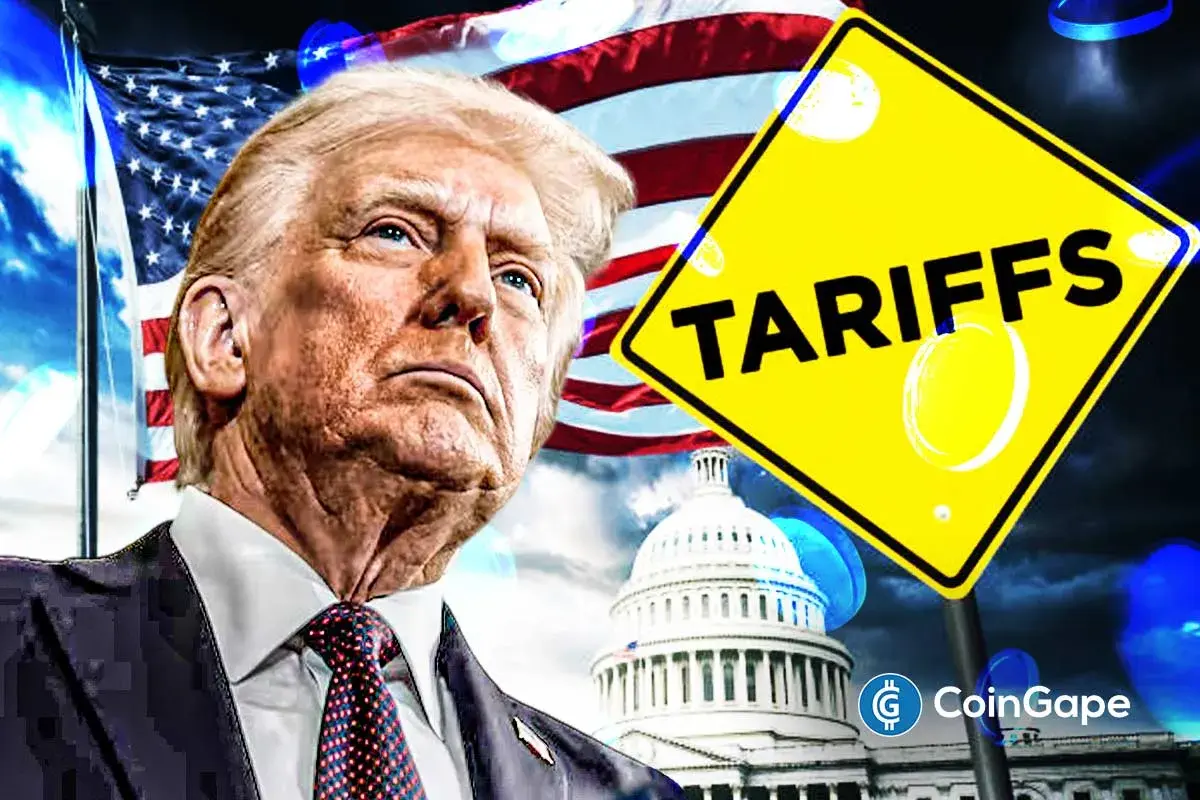
Recent statements from U.S. Treasury Secretary Scott Bessent have aimed to quell investor anxieties regarding the potential impact of Trump tariff refunds mandated by the Supreme Court. Bessent assured that the Treasury has sufficient liquidity to manage any necessary refunds without triggering a significant market downturn, especially within the cryptocurrency sector. As concerns mounted over a possible crypto market crash linked to liquidity issues, the Treasury clarified its financial standing to restore confidence among investors.
Understanding the Tariff Refunds and Their Implications
The Supreme Court may soon rule on the validity of tariffs imposed during Trump’s administration. Should these tariffs be deemed invalid, it could lead to extensive refund processes for businesses affected by them. According to Bessent, while the refunds could take weeks or even months to disburse, the Treasury is well-positioned to handle the financial implications. Investors should note that the refund process will likely be gradual, alleviating fears of sudden market disruptions from lump-sum payouts.
Bessent’s remarks indicated skepticism that the court would ultimately rule against the tariffs. However, he emphasized the importance of preparedness. He highlighted that, even in a worst-case scenario, the expected refunds would not jeopardize government funding. This assurance is crucial as it mitigates fears that a large outflow of funds could necessitate emergency measures from the Treasury, such as increased bond issuance.
A Complicated Refund Process Ahead
One of the critical points raised by Bessent is the unpredictability of the refund process based on the court’s ruling. Rather than a straightforward acceptance or denial, the Supreme Court’s decision could incorporate conditions that complicate how refunds are administered. For businesses like Costco, which has filed lawsuits against the U.S. government, the question arises whether they will return refund money to consumers as mandated. This complex backdrop adds layers of uncertainty to the economic landscape, yet Bessent remains confident that liquidity challenges will not ensue.
Investor Confidence and Inflation Narratives
Bessent addressed allegations that tariffs have been a contributing factor to inflation, asserting that there is scant evidence to support claims of cost passing through to consumers. This perspective aims to reassure both investors and policymakers that the economy may not be as adversely affected by tariff refunds as previously feared. By quelling inflation worries, the Treasury’s stance bolsters overall market sentiment, especially in light of current economic volatility.
Liquidity Backstop: A Strong Financial Footing
The Treasury’s strong liquidity position—approximately $774 billion, potentially increasing to $850 billion by March 2026—serves as a critical safety net. By confirming this financial buffer, the Treasury aims to alleviate investor fears concerning liquidity shortages that could lead to a market crash, particularly in the cryptocurrency space. Previous analyses had indicated that a negative ruling on the tariffs could precipitate a downturn in crypto markets due to anticipated emergency borrowing and rising yields.
However, with Bessent’s reassurance of ample cash reserves, the immediate fears of a liquidity crisis are assuaged. Investors can feel more secure in their positions, knowing that the government is equipped to handle such financial contingencies without resorting to drastic measures.
The Ripple Effect on Cryptocurrency Markets
As the Supreme Court’s rulings unfold, market sentiment is likely to shift. Investor anxiety surrounding potential refunds has ebbed due to the Treasury’s financial assurances, which could stabilize fluctuations in the cryptocurrency market. The Treasury’s proactive stance signals to investors that the government is actively managing its finances, which helps to cultivate an environment conducive to market stability.
In conclusion, the U.S. Treasury’s strong liquidity position and clear communication regarding tariff refunds have played a vital role in easing investor concerns. This clarity not only calms anxieties surrounding potential market crashes but also fortifies investor confidence across various sectors, particularly in the realm of cryptocurrencies. As the situation develops, the impact of these refund processes and court decisions will likely be closely monitored by investors and analysts alike.