



Binance Under Investigation: What You Need to Know About the Senate’s Probe
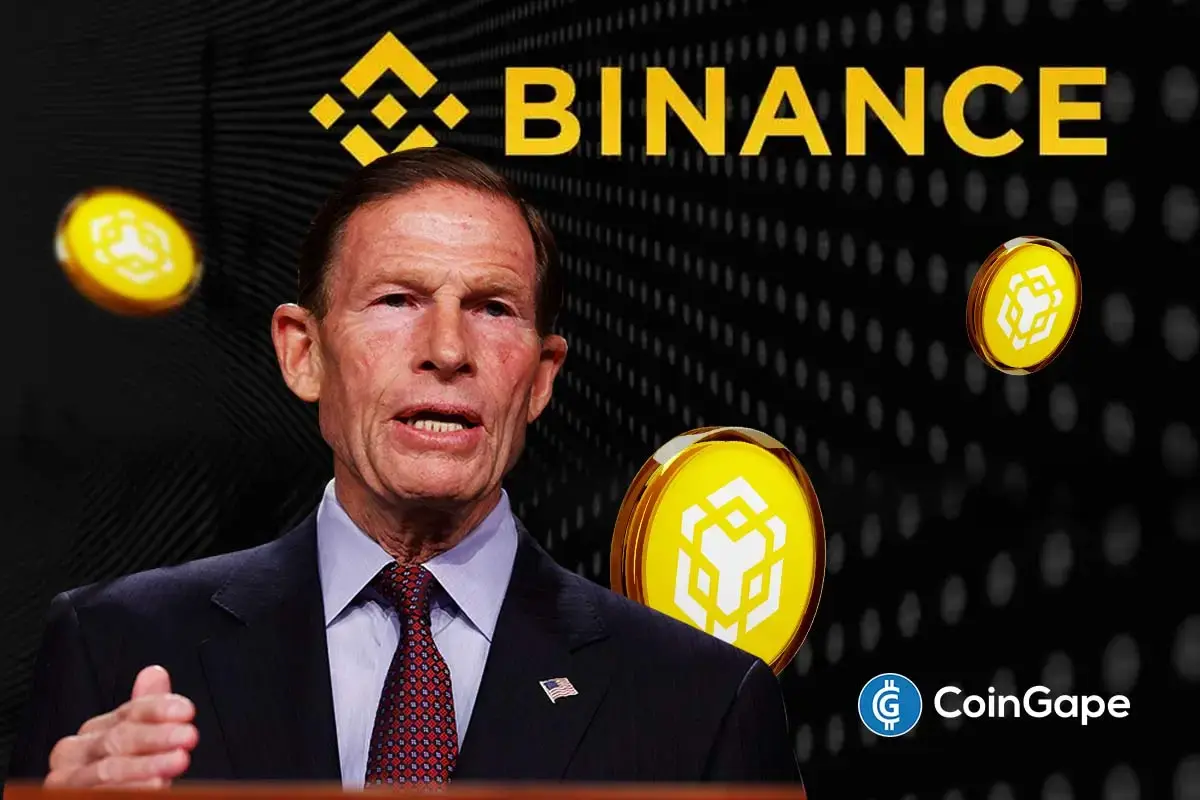
A storm is brewing in the cryptocurrency world as Binance, one of the largest crypto exchanges globally, faces intense scrutiny following a Fortune report alleging that it processed nearly $1.7 billion in transactions linked to sanctioned entities. U.S. Senator Richard Blumenthal has initiated a formal investigation, focusing on the exchange’s compliance framework and its ties to both Iranian sanctions and Russia’s "shadow fleet." This article explores the implications of the investigation, the findings from the Fortune report, and Binance’s response to these serious allegations.
The Senate’s Serious Inquiry into Binance
The investigation, spearheaded by Senator Richard Blumenthal of Connecticut, seeks to scrutinize not just Binance’s financial activities but also the effectiveness of its internal compliance measures. The senator’s official statement stresses the importance of understanding how Binance has addressed red flags raised by its internal investigative team. Specifically, Senator Blumenthal has requested documentation from Binance CEO Richard Teng, including all evidence related to the allegations of sanctioned transactions and details regarding the compliance team’s internal response. This inquiry marks a significant escalation in the regulatory landscape surrounding the cryptocurrency exchange, which has already attracted attention for various compliance issues in the past.
Allegations from Fortune: What Has Been Uncovered?
According to the February 13 report by Fortune, Binance’s alleged facilitation of nearly $1.7 billion in sanctioned transactions raises serious ethical and legal concerns. The report claims that these transactions are linked to Iranian entities and Russian vessels, which underscores the potential national security implications of the crypto exchange’s activities. Notably, the report indicates that Binance dismissed at least five compliance team employees who flagged these suspicious transactions. Such actions have sparked outrage and skepticism, particularly given the sensitive nature of sanctions involving countries like Iran and Russia. The gravity of these allegations has prompted Senator Blumenthal’s formal investigation, reinforcing the need for accountability in the crypto sector.
Binance’s Rebuttal: Compliance Efforts in Focus
In response to the serious accusations, Binance has vehemently denied the claims of sanction violations. The exchange issued a statement emphasizing its commitment to compliance, asserting that significant improvements have been made within its compliance framework over the past two years. Binance claims that the percentage of sanctioned-related trading activity on its platform has dramatically decreased—from 0.284% to just 0.009% of total trading volume. The exchange cites this decline as evidence of its proactive measures to limit exposure to high-risk activities. Additionally, Binance maintains that, following an internal review conducted with qualified legal counsel, no violations of sanctions laws were found in connection to the transactions in question.
The Broader Implications for the Cryptocurrency Landscape
The ongoing investigation into Binance serves as a reminder of the increasing regulatory scrutiny that the cryptocurrency industry is facing worldwide. Authorities are paying closer attention to exchanges and their compliance with anti-money laundering (AML) and counter-terrorism financing (CTF) regulations. As cryptocurrencies grow in popularity, so too does the potential for misuse, and regulators are keen to curb illicit activities that can jeopardize financial systems. Senator Blumenthal’s probe is expected to shed light on whether Binance’s compliance measures are sufficient and whether they can withstand the heightened scrutiny from regulators and lawmakers alike.
Impact on Binance’s Operations and Future
The fallout from this investigation could have far-reaching consequences for Binance. As one of the largest cryptocurrency exchanges, its operations are critical to the broader crypto market. If it is found that Binance inadequately managed compliance issues and violated sanctions laws, the repercussions may extend beyond fines to include more stringent regulations and scrutiny for the entire industry. Additionally, this investigation could affect investor confidence in Binance. If customers believe that the platform may be implicated in unlawful activities, they might reconsider their engagement. The upcoming months will be crucial for Binance as it fights to demonstrate its compliance and restore trust.
Conclusion: A Wake-Up Call for the Crypto Industry
As the Binance investigation unfolds, it serves as a wake-up call for the entire cryptocurrency industry. Compliance with regulatory frameworks will be paramount in sustaining the momentum of this burgeoning space. Lawmakers and regulators are determined to ensure that cryptocurrency platforms operate within legal bounds. The outcome of Binance’s investigation could set important precedents for how exchanges manage compliance and respond to scrutiny. The need for robust compliance frameworks has never been more urgent, and Binance’s journey through this scrutiny may help shape the industry’s approach to regulatory adherence moving forward.