



US-Iran Tensions Escalate Amid Strait of Hormuz Crisis
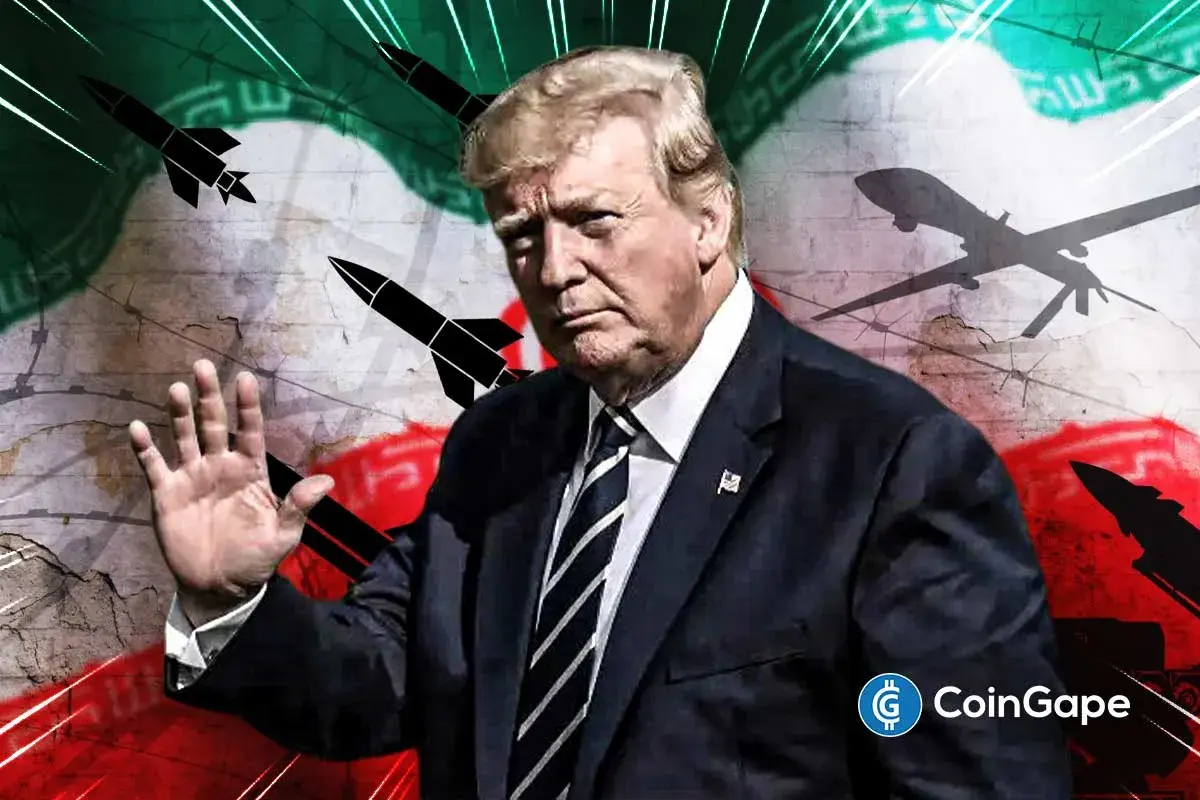
Recent developments in US-Iran relations have taken a dangerous turn as President Donald Trump issued a stern ultimatum to Tehran, demanding the reopening of the crucial Strait of Hormuz within 48 hours. This waterway, which serves as a vital route for global oil shipments, has been described by numerous nations as effectively closed, due to Iranian military actions. The intensified rhetoric from both sides has not only heightened political tensions but has also begun to impact global markets, particularly oil prices and cryptocurrencies.
Trump’s Ultimatum and Increase in Hostilities
President Trump’s ultimatum came through a post on Truth Social, where he made it clear that failure to comply would result in severe retaliation against Iranian power plants. Speculation had previously pointed to potential peace talks, with Trump hinting at a winding down of military operations in the region. However, the stark warning marks a shift in tone that has caught the attention of global leaders and analysts alike. Nations like the UK, France, Germany, and Australia have rallied in support of the U.S., condemning what they call Iran’s illegal closure of the Strait, underscoring its critical role in international trade and energy security.
Iran’s Warning of Retaliation
In response, Iranian officials have issued their own warnings, emphasizing that any U.S. attacks would lead to significant retaliation against American infrastructure in the region. Iran’s military, Khatam Al-Anbiya, specifically cited energy and technology infrastructures as potential targets. This exchange of threats underscores the precarious nature of the situation in the Middle East, revealing how quickly tensions can escalate into a larger conflict. Iran’s recent missile strike on Israel’s Haifa oil refinery signals a marked increase in hostilities, further complicating an already tense geopolitical landscape.
Impact on Oil Prices
As tensions escalate, oil prices are responding accordingly. Currently, the price of oil has surged to around $98 per barrel, demonstrating a nearly 3% increase amidst fears of escalating conflict. While Trump has suggested that the U.S. Strategic Petroleum Reserve could provide some cushion against price hikes, experts like Patrick De Haan caution that such measures may not significantly mitigate price increases. De Haan likenedthe release of the reserve to “trying to replace a water main with a straw,” indicating that the underlying geopolitical issues are far more complex and impactful on pricing.
Crypto Market Reaction
The volatility in the geopolitical landscape is also trickling down to the cryptocurrency market, which is facing significant pressure as tensions rise. Following a brief period of recovery, major cryptocurrencies are experiencing notable losses. Investors are finding themselves increasingly cautious, as the unpredictability of international relations often leads to a reassessment of risk across financial markets. The connection between traditional markets and crypto indicates the pervasive nature of geopolitical tensions, suggesting that an escalation in the Middle East could lead to broader financial repercussions.
Conclusion: An Uncertain Future
As the situation continues to develop, both the U.S. and Iran find themselves in a precarious position that could lead to severe consequences not only in military terms but also economically. The Strait of Hormuz remains a critical juncture for global oil shipments, and any disruption could have far-reaching effects on international trade. With countries around the world observing closely, the upcoming days will be crucial in determining how the landscape of US-Iran relations unfolds. Investors and global leaders alike will need to brace for an uncertain future as tensions remain high and the potential for conflict looms large.