

Tokenization Hearing: Shaping the Future of Financial Markets
In a significant turn of events, U.S. lawmakers are gearing up for a pivotal tokenization hearing scheduled for this Wednesday. This meeting, hosted by the House Financial Services Committee, aims to delve deep into the potential implications of tokenization and its integration with traditional financial markets via blockchain technology. With the financial landscape rapidly evolving, this hearing is set to be a crucial juncture in determining how tokenization will mold the future of capital markets.
Analyzing Tokenization’s Potential
The upcoming tokenization hearing, aptly titled “Tokenization and the Future of Securities: Modernizing Our Capital Markets,” will feature prominent industry leaders and lawmakers discussing the role of tokenization in both digital and traditional financial systems. This initiative underscores Congress’s commitment to understand blockchain’s impact on capital markets. Experts such as Austin Campbell from Zero Knowledge have characterized this hearing as “one battle in a long war,” indicating that while progress may be made, extensive work lies ahead.
Key proposals on the agenda include two proposed bills centering on tokenized securities and the implementation of blockchain for transaction recording. These discussions could reveal Congress’s broader regulatory stance and pave the way for potential legislative changes in the complex interplay between traditional finance and emerging technologies.
Key Focus Areas of the Hearing
In this high-profile meeting, lawmakers will dissect two main proposals aimed at enhancing understanding and regulation of the tokenization sector. The first bill seeks to empower the SEC and CFTC to conduct thorough research on tokenized securities and derivatives, assessing their risks and current regulatory gaps. This foundational step is essential for addressing the intricacies involved in tokenized assets and ensuring investor protection.
The second proposal aims for practical application, allowing regulated firms to leverage blockchain technology for managing financial transactions, thus potentially replacing outdated traditional systems. This change promises enhanced efficiency while maintaining the SEC’s oversight to ensure transparency and investor safety. With the rapid growth of the blockchain ecosystem, such advancements may be crucial for the legal and operational frameworks governing financial markets.
The Necessity of Comprehensive Regulation
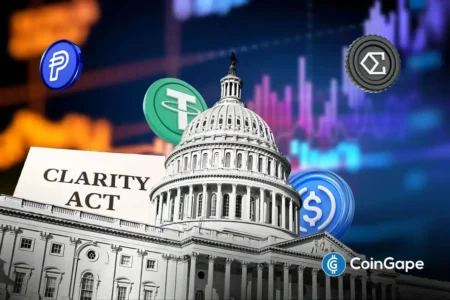
This hearing comes at a crucial time, especially following recent regulatory developments concerning stablecoins and their yields under the CLARITY Act proposal. As discussions progress toward clearer regulations, lawmakers are tasked with balancing innovation and risk management in the crypto space. Tokenization is not just a buzzword; it is already transforming the real-world assets market, which is estimated to have surpassed $300 billion, dominated by instruments like stablecoins and private equity.
However, the hearing also highlights the pressing need for broader regulatory frameworks that address not just asset classification but also the interplay between new digital instruments and existing laws, such as the Howey Test, designed for traditional securities. A cohesive regulatory approach will be essential for fostering innovation while safeguarding investors.
Limitations of the Tokenization Hearing
Despite the potential significance of the upcoming hearing, there are concerns regarding its structure. Observers have pointed out that the discussion appears to skew heavily towards traditional financial institutions and industry organizations. This narrow focus could limit the scope of debate, particularly regarding consumer viewpoints and the inclusion of independent academic voices. Industry expert Andrew Rossow has noted, “The panel skews heavily toward incumbents and industry trade groups,” suggesting that the hearing may lack the diversity of perspectives needed for a comprehensive understanding of crypto regulation.
This limited representation could influence the extent to which the hearing explores various facets of tokenization. Key issues, such as the classification of tokenized assets and their implications for existing regulatory frameworks, may not receive the thorough exploration they warrant. Consequently, this may hinder the ability to forge effective, future-proof regulations that can accommodate the evolving landscape of digital financial instruments.
Preparing for the Future of Financial Markets
As the tokenization landscape continues to evolve, the outcome of this hearing could set the stage for the future of financial markets in the United States. With the potential to redefine how financial transactions are recorded and managed, tokenized securities herald a new era of innovation. The U.S. Congress is at a crossroads, challenged with addressing a fast-moving sector that demands regulatory clarity without stifling technological advancement.
In conclusion, while the tokenization hearing represents a significant step forward, the effectiveness of these discussions will largely depend on the breadth of perspectives incorporated into the dialogue. For tokenization to truly revolutionize financial markets, lawmakers, regulators, and industry leaders must work collaboratively to craft a regulatory environment that is both progressive and protective. Only through a comprehensive approach can the full benefits of tokenization be realized, ensuring that both investors and innovators can thrive in this new digital landscape.