



Uncovering the Benefits and Risks of Decentralized Perpetual Trading Platforms
Decentralized perpetual trading platforms are gaining traction, capturing over 8% of the total crypto perpetual trading market and providing robust competition to established centralized exchanges. The growth in popularity among crypto investors stems from their appealing features, including privacy, financial security, and self-custody. In this article, we’ll delve into the workings of decentralized perpetual exchanges, explaining their underlying technology and the various components that facilitate seamless trading experiences.
Understanding Decentralized Perpetual Exchanges
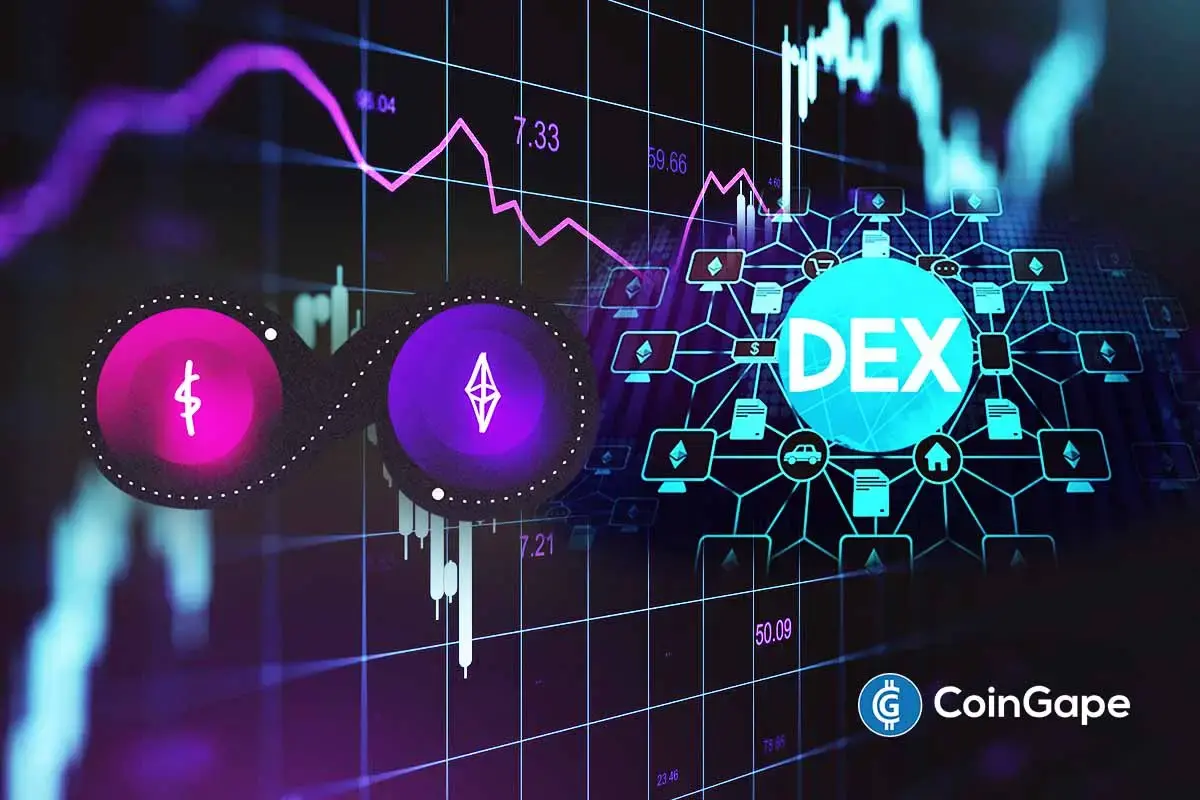
Decentralized perpetual exchanges operate as non-custodial protocols that allow for the trading of crypto perpetual contracts. By leveraging decentralized networks and smart contracts, these platforms handle essential operations such as trade settlement, liquidation, and funding fee remittances without relying on third-party intermediaries. Unlike centralized exchanges that depend on centralized systems for pricing and order matching, decentralized platforms create a self-sufficient ecosystem to execute trades and manage settlements on-chain. This framework empowers traders and enhances the overall security of transactions.
Core Components at Work
The functioning of decentralized perpetual exchanges is driven by several core components that work synergistically. These include:
-
Liquidity and Order Matching Systems: This system addresses user trading requests through various models:
- AMM Perpetual DEX: Utilizes liquidity pools, where independent liquidity providers contribute to the pool’s assets and receive a share of trading fees.
- Order Book Perpetual DEX: Matches trades through on-chain or hybrid order books, using validators to efficiently match counterparties.
- Hybrid Perpetual DEX: Combines elements from both AMM and order book styles to provide an innovative way to fulfill trade requests.
-
Price Data System: Accurate pricing is essential for efficient trading. Decentralized perpetual swaps typically employ oracle networks like Chainlink to ensure reliable price data, crucial for conducting trades fairly.
-
Risk Management System: Designed to mitigate associated risks, the risk engine encompasses smart contracts that handle critical tasks such as position liquidation and auto-deleveraging mechanisms. This system ensures the platform operates smoothly even in volatile market conditions.
-
Platform Governance: Most decentralized exchanges operate under a decentralized autonomous organization (DAO) structure. Community governance, often utilizing native tokens, enables members to influence fees, risk limits, and other fundamental aspects of the protocol.
- Trade Settlement Process: Depending on the type of exchange model (AMM, order book, or hybrid), settlement processes vary, affecting how winning trades are compensated.
Risks to Consider
While decentralized perpetual exchanges offer numerous advantages, they are not devoid of risks. Potential challenges include:
-
Smart Contract Risks: Platforms heavily rely on smart contracts, which may have vulnerabilities that expose users to issues such as reentrancy attacks or syntactical errors.
-
Liquidity Constraints: The relative novelty of decentralized exchanges means that they often have lower liquidity than their centralized counterparts. This can lead to slippage, negatively impacting traders’ capital.
-
Regulatory Uncertainties: The attractive anonymity of decentralized exchanges may attract unwanted regulatory scrutiny. The regulatory environment for these platforms remains fluid, sometimes hindering wider adoption.
-
Price Data-Related Risks: Any inaccuracies in price feeds from decentralized oracles can impact trading conditions significantly. Delays in price updates during market volatility can introduce slippage and other trading risks.
- Systemic Risks: Inefficiencies within the interaction of key components, including issues like miner extractable value (MEV) exploits, can create vulnerabilities that are often less prevalent in centralized exchanges.
Conclusion: The Future of Decentralized Perpetual Trading
Decentralized perpetual exchanges provide unique benefits, including privacy, accessibility, and self-custody, even though they come with specific risks. Understanding the fundamental operations behind these platforms can empower crypto traders to make more informed decisions and enhance their trading strategies. As decentralized trading technology continues to evolve, staying informed about potential risks and system improvements is essential for traders engaging with these innovative platforms.
In the rapidly changing landscape of crypto trading, decentralized exchanges stand poised to redefine how trading operates, offering a blend of technological advancement and user-centric features that resonate with the growing desire for autonomy and security in the financial markets.