



Trump Imposes Tariffs on Europe Amid Greenland Acquisition Tensions
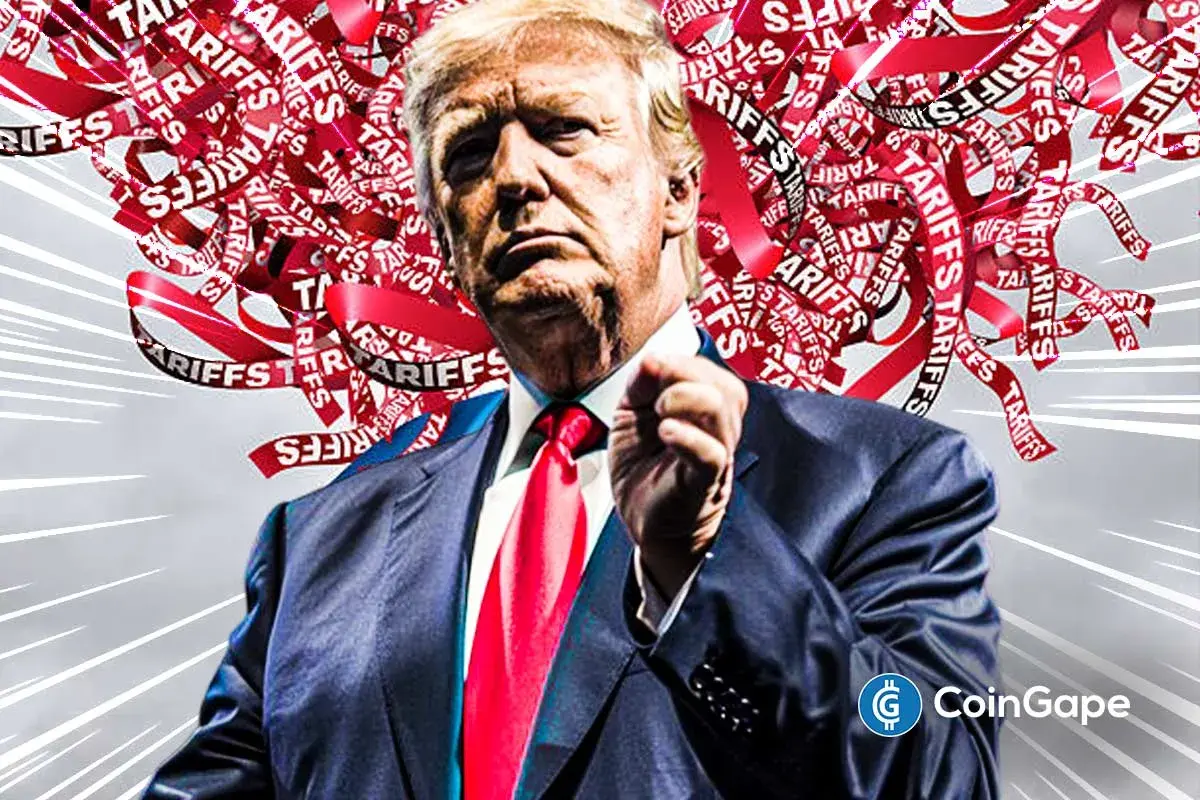
U.S. President Donald Trump has stirred diplomatic waters by announcing new tariffs on eight European countries. This move comes in response to these nations’ opposition to the Trump administration’s ambitious plan to acquire Greenland, a strategically valuable territory. With a Supreme Court ruling looming on the legality of Trump’s tariffs, the situation is attracting significant attention. The new tariffs, which consist of a 10% levy on goods from Denmark, Norway, Sweden, France, Germany, the United Kingdom, the Netherlands, and Finland, are set to take effect on February 1 and will escalate to 25% by June 1 unless an agreement on Greenland is reached.
In a post on Truth Social, Trump emphasized that these tariffs would remain until a deal is struck for the complete and total purchase of Greenland. The rationale behind this aggressive economic strategy is Trump’s assertion that these countries have moved into Greenland with "purposes unknown," implying a defensive stance against U.S. interests. He characterized their actions as a "very dangerous situation for the safety, security, and survival" of the planet, framing the imposition of tariffs as a necessary step to ensure global peace and security.
The timing of this announcement is particularly notable, as it precedes a crucial Supreme Court decision concerning the legal framework under which the tariffs were imposed. The court is set to assess whether Trump’s use of the 1977 International Emergency Economic Powers Act to levy these tariffs is lawful. This legal backdrop raises questions about the president’s authority to enforce such economic measures and their potential impact on U.S. foreign relations.
Trump’s justification for the tariffs is backed by a narrative that insinuates a geopolitical chess game involving China and Russia, both of whom the president claims have vested interests in Greenland. He has urged Denmark to "give back" the territory, asserting that the U.S. would be better positioned to ensure its protection from foreign nations. By framing the acquisition of Greenland as a matter of national security, Trump aims to bolster his case for the tariffs, invoking a sense of urgency around the need to act decisively.
Interestingly, the cryptocurrency market has shown resilience in the wake of Trump’s tariff announcement. Bitcoin, which has been hovering around $95,200, saw negligible price changes, indicating that traders may be relatively unfazed by the geopolitical turmoil affecting traditional markets. However, data from Polymarket indicates that crypto traders are betting heavily against the U.S. acquiring Greenland within the next year, with only a 20% likelihood projected for completion by December and a mere 9% chance by March.
This skepticism among traders raises questions about the feasibility of Trump’s Greenland ambitions and whether the newly imposed tariffs will lead to a tangible shift in negotiations with Denmark and other countries involved. As the political landscape continues to evolve, the interplay between trade policy and foreign diplomacy will be critical in shaping the future of U.S.-European relations and the ultimate fate of Greenland.
In conclusion, President Trump’s tariffs on European nations represent a bold but contentious strategy designed to pressure allies in the pursuit of acquiring Greenland. The upcoming Supreme Court ruling will determine the legality of these tariffs, while global markets, including cryptocurrencies, appear to be watching with caution. As tensions escalate, the implications for international diplomacy and economic relations are significant, and the world waits to see how this complex situation unfolds.