

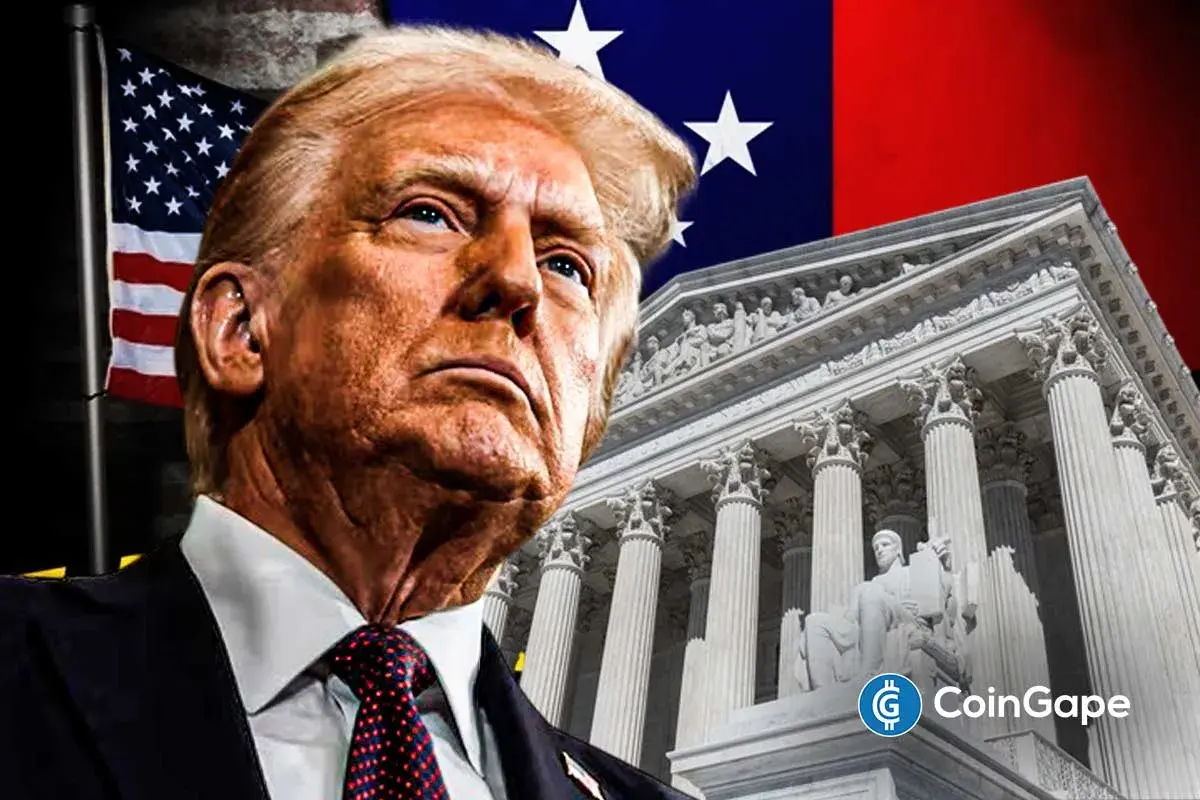

Supreme Court Set to Rule on Trump Tariffs: Implications for the Crypto Market
The U.S. Supreme Court has scheduled February 20 as the date for a potential ruling on the legality of the Trump tariffs, a topic that has significant ramifications for various sectors, particularly the cryptocurrency market. As traders speculate on the court’s decision, they anticipate a possible shift in market dynamics depending on whether the tariffs remain in effect or face rollback. This article outlines the potential implications of the court’s ruling, the historical context surrounding the tariffs, and how it could impact crypto traders.
Upcoming Supreme Court Decision
The anticipation surrounding the Supreme Court’s ruling on the Trump tariffs is mounting as the scheduled opinion days approach. Besides February 20, additional opinion days on February 24 and 25 are earmarked for the court to deliver its judgment. The Trump tariffs—imposed during his administration—have caused considerable fluctuations in the crypto market, primarily due to their implications for trade relationships and economic conditions. Traders are particularly focused on this case, as a favorable ruling against the tariffs could potentially lead to market stabilization and renewed bullish trends.
Impact of Tariffs on the Crypto Market
Tariffs have historically introduced volatility into the cryptocurrency market. For instance, when Trump threatened to impose tariffs on several European countries, including France and the United Kingdom, Bitcoin experienced a notable price drop. Conversely, optimism surged when Trump later abandoned those tariff threats, prompting a price rebound. Furthermore, the notorious crypto crash on October 10 last year, prompted by Trump’s indication of imposing a steep 100% tariff on China, demonstrated how geopolitical decisions can create dramatic market movements, reinforcing the interconnectedness of global policy and crypto assets.
Crypto Traders’ Sentiment
Recent data from Polymarket indicates that crypto traders are betting against the Trump tariffs, reflecting a broader optimism regarding the Supreme Court’s upcoming decision. The odds place only a 30% chance on the court siding with the Trump administration, highlighting traders’ lack of confidence in the pro-tariff stance. This sentiment suggests that market participants are likely banking on favorable outcomes to alleviate pressure caused by the existing trade policies, which have contributed to bearish trends in the crypto space.
Potential Concessions from Trump
In anticipation of the court ruling, President Trump appears to be making strategic concessions, which may further influence the crypto market. Reports suggest that he is contemplating reducing key tariffs, a move that could contribute positively to inflation rates and further encourage rate cuts by the Federal Reserve. Such changes would create a more favorable economic environment for crypto investments and may catalyze a market rebound, reflecting strengthened investor confidence.
Prospects of Tariff Rollbacks
Recent insights point to the possibility of a temporary rollback of the Trump tariffs, potentially lasting up to a year. This tactic seems aimed at securing short-term economic gains while navigating the current complexities in U.S.-China trade relations. For crypto traders and investors, this approach is viewed as a positive indicator. Reduced tariffs could diminish price volatility and create a more stable trading environment, thereby promoting growth within the cryptocurrency market amidst ongoing global economic uncertainties.
Conclusion
As the Supreme Court prepares to deliver its ruling on the Trump tariffs, the implications for the cryptocurrency market are significant and multifaceted. Traders are closely monitoring the court’s decisions and potential concessions from the Trump administration that could shape economic and trading conditions. A ruling against the tariffs could signify a pivotal turning point, fostering a more conducive environment for crypto assets to flourish. Nevertheless, the dynamic nature of both legal proceedings and market sentiment underscores the importance of staying informed and proactive in navigating this evolving landscape.