

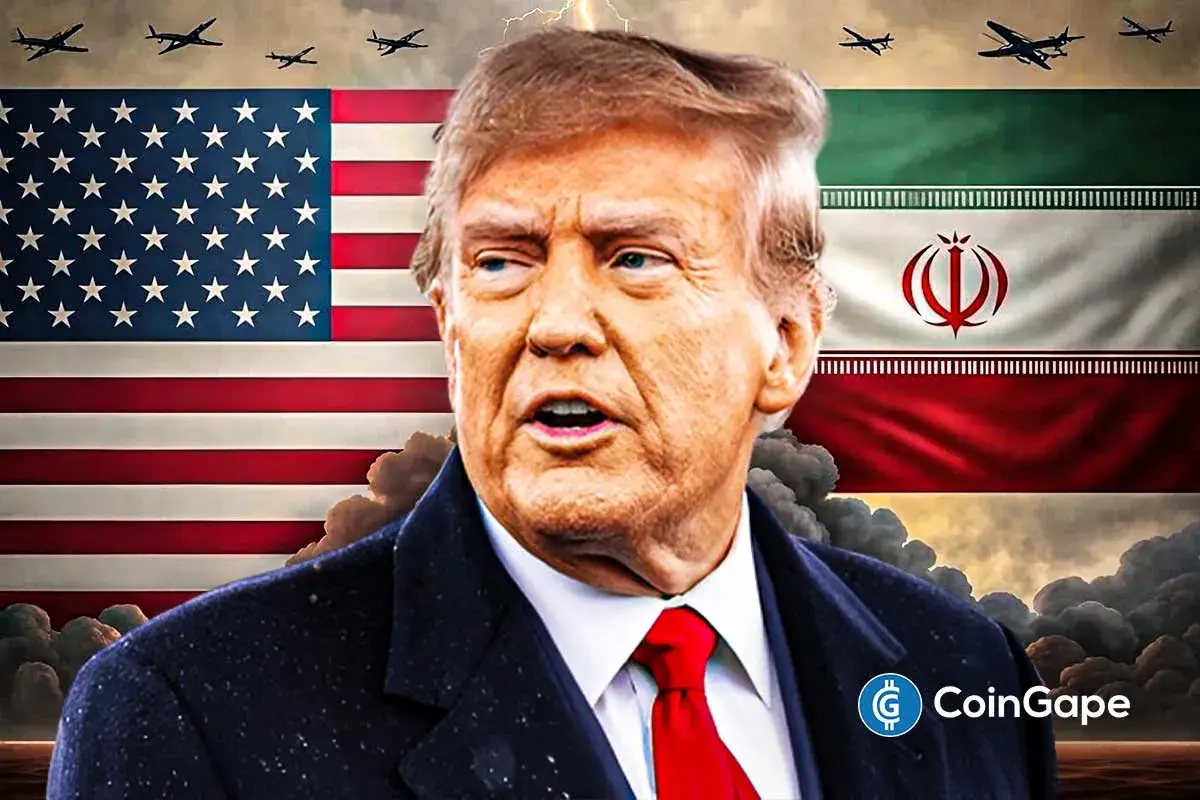

U.S.-Iran War Deepens Divisions in Transatlantic Relations: A Geopolitical Analysis
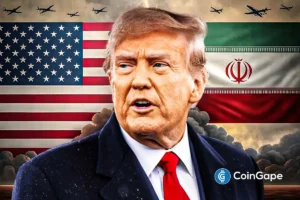
The ongoing U.S.-Iran War has significantly strained relations between the United States and its European allies, stirring deep divides within a historically aligned coalition. As military engagements led by the U.S. continue to escalate, several European countries, including Spain, France, and Italy, have openly declined to support American operations. This shift marks a critical juncture in global diplomacy, raising urgent questions about NATO’s future and the broader landscape of international geopolitical norms.
Diplomatic Rifts and Military Opposition
As the U.S.-Iran War progresses, a palpable diplomatic rift has emerged. Notably, European nations have taken a firm stance against U.S. military engagement, citing a range of concerns including political pressures at home and disagreement with U.S. strategies. For instance, Spain recently closed its airspace to American military aircraft, while France adopted a similar position, preventing Israeli planes from carrying weapons as part of the ongoing conflict. President Emmanuel Macron publicly assured that France would not participate in U.S.-led operations, highlighting the growing importance of national sovereignty over multilateral military commitments.
Meanwhile, Germany’s Chancellor Friedrich Merz has also voiced opposition to U.S. pressure to escalate military involvement. In direct discussions with President Trump, Merz underscored that such escalations had not been appropriately consulted with European partners, criticizing Washington’s unilateral approach. The American administration reacted with notable frustration, particularly from President Trump, who expressed his “disgust” over Europe’s resistance. This sentiment reflects a broader discontent among U.S. leaders regarding Europe’s reluctance to share military burdens, raising serious debates about the transatlantic alliance.
Economic Implications: Rising Oil Prices
The U.S.-Iran War has also sent shockwaves through the global economy, particularly in the oil markets. Crude oil prices surged by over 11%, reaching more than $112 per barrel amid fears of supply disruptions in the Persian Gulf. These developments follow reports of collusion between Oman and Iran regarding tanker tolls, which initially led to a temporary dip in prices. However, as tensions escalated, concerns over potential disruptions at critical maritime chokepoints, such as the Strait of Hormuz and the Bab el-Mandeb Strait, have driven prices back up, highlighting the war’s complex economic ramifications.
The volatility in oil prices is not merely an economic concern; it has geopolitical implications, influencing national energy policies and economic stability across the globe. As European nations grapple with rising costs, the urgency for solutions grows, often placing them at odds with U.S. foreign policy objectives. The interplay between military actions and economic realities underscores the interconnected nature of global markets and the impacts of geopolitical conflicts.
The Future of NATO in Question
The current crisis has spurred renewed debates over the purpose and effectiveness of NATO, with President Trump reportedly contemplating a withdrawal from the alliance if European nations continue to refrain from military support. This rhetoric has raised alarms about the integrity of NATO and its collective defense commitments. However, it is important to note that U.S. law stipulates that any withdrawal from NATO would require Congressional consent, adding a layer of complexity to the situation and limiting the President’s ability to act unilaterally.
Despite this legal framework, the conversations around NATO have profoundly affected its perceived utility and cohesion. U.S. officials, including Secretary of State Marco Rubio, have hinted at a potential reassessment of NATO’s role post-conflict. This uncertainty resonates throughout Europe, where leaders are increasingly frustrated with Washington’s approach. The evolving dynamics create a sense of hesitation about future military alliances and collaborative actions in addressing shared threats.
Growing Frustrations Among European Allies
The increasing opacity in U.S. military strategies vis-à-vis Iran has led to a surge of frustration among European allies. Many European leaders feel sidelined and are concerned that the U.S. is prioritizing unilateral actions over collective responses to global challenges. Consequently, the calls for a united front against common adversaries, such as Iran, appear to be undermined by divergent approaches and national priorities.
These sentiments are mirrored in public opinion across European nations, where apprehension about military escalation is mounting. The challenges of achieving a coherent and unified response to the U.S.-Iran conflict could further erode trust within NATO and diminish the overall effectiveness of the alliance. The future trajectory of U.S.-European relations may hinge on the ability to reconcile these tensions and find common ground on international security issues.
Conclusion: The Path Forward for Transatlantic Relations
In summary, the ongoing U.S.-Iran War poses significant challenges to NATO’s future and transatlantic relations as a whole, raising questions about the viability of military coalitions in addressing modern geopolitical conflicts. The refusal of key European nations to support U.S. military operations highlights a growing divergence in strategic priorities, compelled by both domestic political pressures and discontent with U.S. approaches.
As rising oil prices and economic pressures loom, the urgency for a coordinated response becomes ever more critical. Moving forward, it will be vital for the U.S. and its European allies to engage in open dialogues to address these rifts, fostering a collaborative environment that prioritizes shared values and collective security objectives. The successful navigation of these geopolitical complexities will determine the efficacy of NATO and the future of U.S.-European relations in an increasingly multipolar world.