



Operation Epic Fury: The Uncertain Landscape of U.S.-Iran Relations with Bitcoin Implications
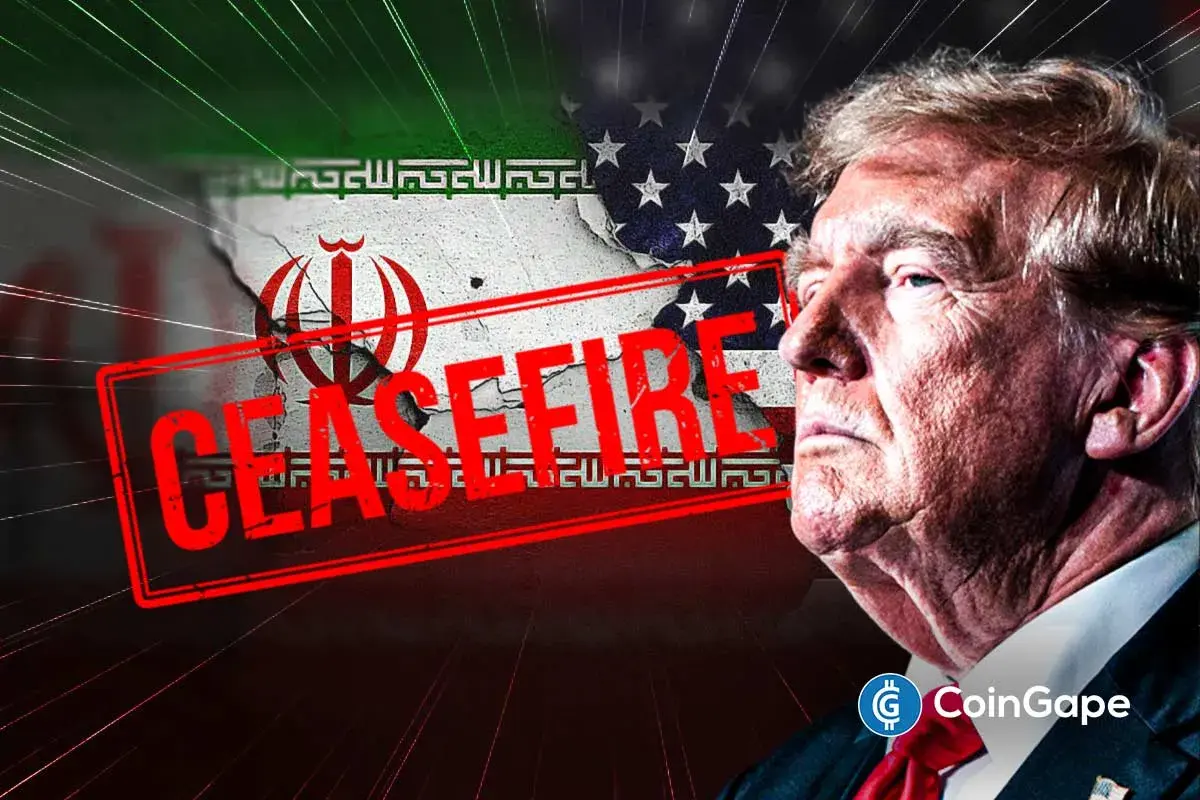
In the midst of escalating tensions between the U.S. and Iran, the White House’s operations under "Operation Epic Fury" continue while President Donald Trump has yet to approve a proposed 45-day ceasefire. This situation is critical, as it affects not only geopolitical stability but also the cryptocurrency markets, particularly Bitcoin. Recent developments have revealed Iran’s outright rejection of the temporary ceasefire proposal, stating that it is a ploy that would allow the U.S. and Israel to regroup for further conflict instead of genuinely pursuing peace.
Trump’s Stance on Ceasefire Negotiations
The ceasefire proposal is currently in limbo, as reported by Axios correspondent Barak David in an X post. A White House official emphasized that the ceasefire is just one among many possibilities being negotiated and that Trump has not yet signed off on it. The prolonged uncertainty heightens the stakes, with Trump continuing to pressure Iran to reopen the Strait of Hormuz, a move crucial for U.S. strategic interests in the region. This ongoing situation complicates diplomatic efforts, as Iran has voiced its reluctance to consider any temporary measures. Tehran has indicated that it is prepared to communicate its position explicitly regarding this matter, indicating a firm stance against perceived American strategies.
Iran’s Firm Rejection of Temporary Ceasefire
Iran’s strong objections come amid fears that the suggestion of a brief ceasefire would merely provide an opportunity for U.S. and Israeli forces to strengthen their military positions. Iran’s concerns highlight the precarious nature of the ongoing conflict, emphasizing that any proposed ceasefire needs to be comprehensive rather than temporary. Additionally, as discussions unfold, it’s clear that the pathway to peace is cluttered with obstacles, including Trump’s escalating threats against Iran’s energy infrastructure.
Market Impacts: The Bitcoin Connection
As the geopolitical situation remains fraught, Bitcoin has experienced slight retracement, moving away from the psychologically significant $70,000 level. Earlier gains, driven by optimism surrounding ceasefire negotiations, seem to be overshadowed by the weight of uncertainty. The inflation-fueled cryptocurrencies reflect broader market concerns and can be impacted by geopolitical tensions. Despite the unsettling environment, Bitcoin managed to maintain a support level around $66,000, showcasing resilience even amid increasing threats toward Iranian assets.
Broader Market Reactions to Escalation
As the military conflict escalates with Israel’s targeting of Iranian assets, market reactions have been mixed. Analysts from The Kobeissi Letter noted that financial markets are beginning to exhibit "headline fatigue," meaning that investors are becoming desensitized to the constant barrage of news regarding the U.S.-Iran conflict. This numbness has led to less volatility in oil prices, suggesting that traders are looking past immediate headlines to focus on long-term values. Additionally, crypto traders appear to be skeptical about the likelihood of a ceasefire in the near term, as indicated by Polymarket data showing only a 28% chance of a ceasefire occurring this month.
The Future of Ceasefire Negotiations and Market Outlook
In light of the current situation, many speculators in the crypto markets and beyond do not anticipate a resolution before June, indicating an environment of caution. As Trump prepares to address the nation regarding the latest in U.S.-Iran relations—scheduled to occur today at 1 PM ET—the potential for new insights may further influence market dynamics. Recent commentary suggests that both traditional and crypto markets may face turbulence in the event of heightened conflicts, further complicating investment strategies.
Conclusion: The Interconnectedness of Politics and Cryptocurrency Markets
The ongoing U.S.-Iran conflict, coupled with the tentative ceasefire proposals, has not only geopolitical implications but also significant repercussions for financial markets, particularly in cryptocurrencies like Bitcoin. As negotiations move forward, the interrelation between global politics and financial systems becomes increasingly evident. Investors should remain attentive to both political developments and market trends to navigate this complex and shifting landscape. With the specter of conflict looming, the call for long-term strategies and sound investment principles becomes more pertinent than ever.