


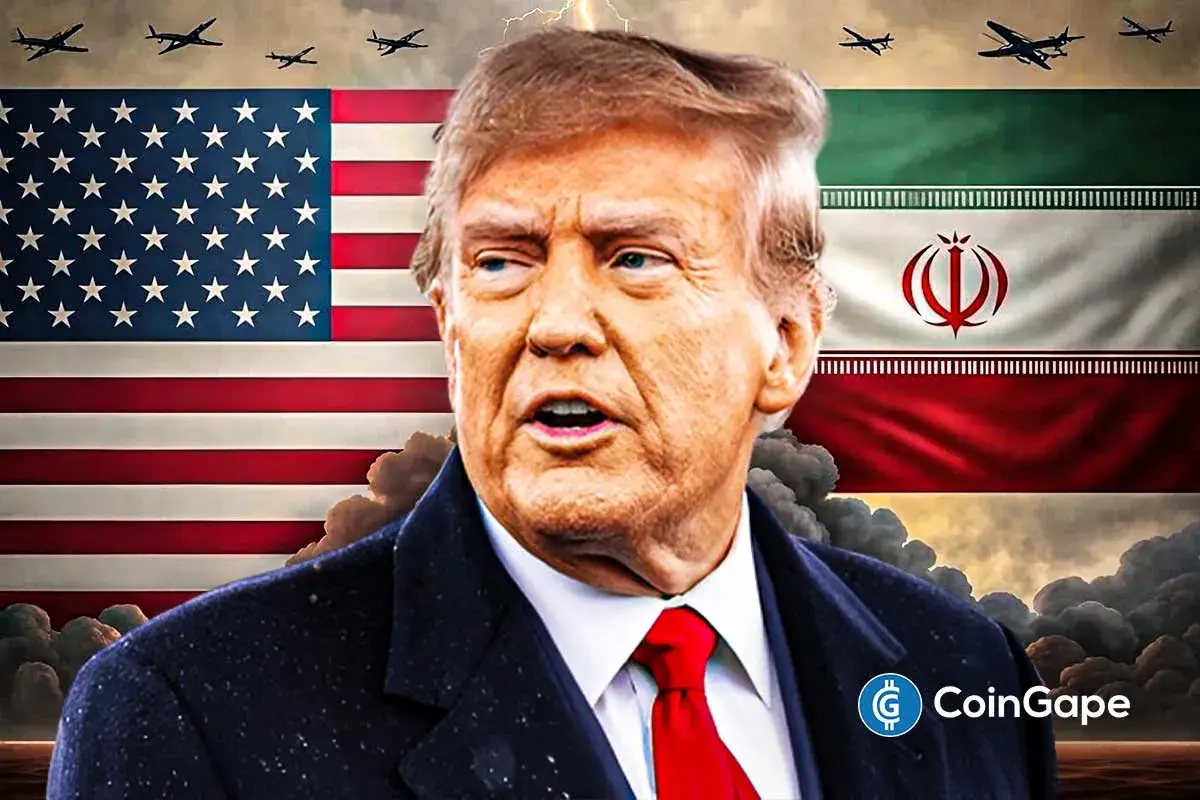

Potential Peace Talks: A Turning Point in the U.S.-Iran Conflict
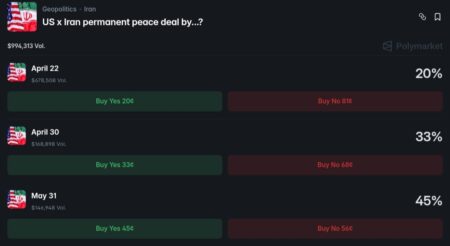
The U.S.-Iran war, which is now entering its fourth week, shows signs that peace may be on the horizon. President Trump has indicated that the administration is contemplating winding down military efforts in the Middle East, particularly those linked to the conflict in Iran. This development is crucial as it aligns with peace negotiations that are reportedly in the early stages, aiming to both address the war’s toll and stabilize global economic concerns, particularly rising oil prices.
Initial Steps Towards Peace Talks
According to a recent report from Axios, the Trump administration has started initial discussions about what upcoming peace talks with Iran might entail. Conversations facilitated by Egypt, Qatar, and the U.K. have enabled communication between the U.S. and Iran. These intermediary nations have suggested that Iran is willing to engage in negotiations, but it comes with a caveat: their terms will be stringent.
Key Demands from Iran
The Iranian government has laid out specific demands, emphasizing the need for a ceasefire, assurances that hostilities will not reignite, and compensation for war-related damages. While Iran’s conditions are steep, the U.S. has countered with six critical commitments that must be met for the cessation of the conflict. These demands include a moratorium on Iran’s missile program for five years, a zero-tolerance policy for uranium enrichment, and a prohibition on financing proxy organizations such as Hezbollah. These stipulations aim to impose stricter controls on Iran’s nuclear aspirations and regional influence.
Economic Impact of the Conflict
As the conflict progresses, its repercussions extend to the global market, particularly the oil sector. Oil prices have surged to unprecedented levels due to the escalating tensions. In an effort to stabilize these prices, the U.S. has made strategic decisions, including easing some sanctions on Iranian oil exports. This move has sparked a minor recovery in the cryptocurrency market, signaling investor sentiment linked to geopolitical developments. However, experts warn that this measure may not fully stabilize oil prices, given the conflict’s ongoing nature.
Trump’s Strategic Shift
In a recent post on Truth Social, President Trump confirmed that the U.S. is contemplating scaling back its military engagements in the Middle East, particularly regarding the ongoing conflict with Iran. He expressed optimism, stating that the goals of degrading Iranian military capabilities are nearly achieved. This strategic pivot signals a potential reduction in U.S. involvement, which could positively affect various economic sectors, including cryptocurrency markets that have struggled under the pressure of rising oil prices.
The Strait of Hormuz: A Crucial Element
One of the key aspects likely to arise during the peace talks is the status of the Strait of Hormuz, a vital maritime corridor through which approximately 20% of the world’s oil supply travels. Iran has sought to use control over this route as leverage against the U.S. and its allies. A resumption of normal traffic through this strategic area is crucial, not only for regional stability but also for the global economy, as any disruption could lead to further spikes in oil prices.
Conclusion: The Road Ahead
As the U.S.-Iran conflict approaches a critical juncture, the prospect of peace talks brings both hope and uncertainty. The demands from both sides are not insignificant, and successful negotiations will require mutual concessions. While the potential to wind down military efforts suggests a strategic shift in U.S. policy, the looming questions around Iran’s nuclear capabilities and regional influence must be addressed. The international community watches closely, aware that a resolution could stabilize the global economy and secure a lasting peace in the region.