



U.S. CPI Unchanged Amid Geopolitical Tensions: Analyzing Inflation Dynamics and Market Reactions
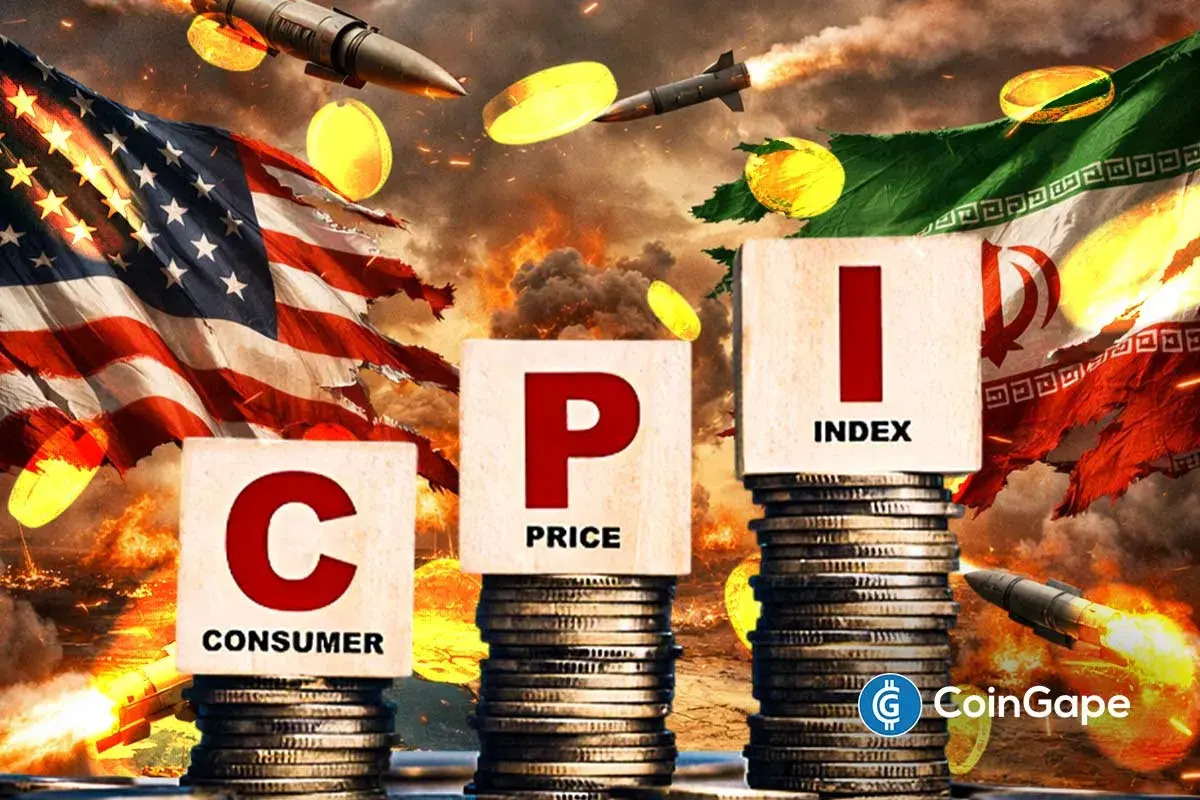
In February, the U.S. Consumer Price Index (CPI) remained unchanged at 2.4%, aligning with market expectations. This stability in inflation metrics is significant in light of the geopolitical challenges presented by the ongoing war in Iran, which raises concerns about potential inflationary pressures later this year. Amid these developments, crypto traders are recalibrating their expectations regarding Federal Reserve rate cuts, indicating a cautious but notable shift in market sentiment as inflation concerns loom.
CPI Performance and Core Metrics
According to data from the Bureau of Labor Statistics, both annual and monthly inflation figures have held steady. The year-over-year CPI of 2.4% suggests a stable consumer price environment, while the monthly CPI figure of 0.3% shows a modest increase from January’s 0.25%. Importantly, the Core CPI, which excludes volatile food and energy prices, remained unchanged at 2.5%, reflecting a cautious approach toward long-term inflation expectations. Despite signs of stability, the core metrics are now at their lowest levels in over four years, providing a complex backdrop for economic analysts to decipher the implications for monetary policy.
Bitcoin, often regarded as a barometer for broader market sentiment, immediately reacted to the CPI data release. After dipping to approximately $69,200, Bitcoin rebounded quickly, trading upwards of $70,800—a rise of over 1%. However, the volatility surrounding oil prices, primarily driven by geopolitical uncertainties in Iran, suggests that Bitcoin remains susceptible to macroeconomic influences, which could sway both sentiment and price action in the near term.
Impact of Geopolitical Tensions on Inflation Expectations
The looming war in Iran has introduced another layer of complexity to the economic landscape. As oil prices spike due to supply concerns, inflation expectations may shift dramatically. An analysis of trading behaviors reveals a significant drop in the anticipated number of rate cuts by the Federal Reserve. Data from Polymarket indicates that traders now foresee only one or two interest rate cuts this year, a significant downgrade from earlier predictions which accounted for three cuts.
This shift underscores a growing belief that sustained increases in energy prices could create an inflationary environment that the Fed will need to navigate carefully. Given that only a 15% chance exists for three rate cuts this year, market participants appear more anxious about inflationary pressures stemming from ongoing global conflicts—shifting the narrative from previously anticipated monetary easing to potential stability in rates.
Fed’s Upcoming Meeting and Market Sentiment
As the Federal Open Market Committee (FOMC) meeting approaches, market watchers are keenly anticipating the Fed’s stance on interest rates. Current projections show a staggering 99.3% probability that the Fed will maintain its current rates, indicating a mindset focused more on stability than aggressive monetary policy changes. However, it’s crucial to remember that the CPI data released reflects economic conditions prior to the escalation of the conflict in Iran.
This uncertain landscape underscores the importance of upcoming economic indicators, particularly the March CPI release, as these figures will be closely scrutinized for evidence of rising inflation trends. Any deviations from expectations could significantly impact the Fed’s approach to interest rates in subsequent meetings, which will have cascading effects on the broader economy.
Fed Officials and Inflation Outlook
In the backdrop of rising inflation concerns driven by geopolitical uncertainties, Fed Governor Chris Waller offers an optimistic viewpoint. He posits that any inflation shock resulting from the Iran conflict is likely to be short-lived, suggesting that the lasting impacts may not be as dire as anticipated. In his view, the labor market remains a critical area of focus, as signs of weakening could influence the Fed’s future decisions.
Waller’s stance indicates a possible divergence in perspectives among economic leaders, as market anxieties about inflation continue to build. This dichotomy may prompt further debates within the Fed, especially as economic conditions evolve in response to global events.
Conclusion: Navigating the Economic Landscape
In conclusion, the U.S. CPI data portrays a current stability that contrasts sharply with the rising geopolitical tensions affecting global markets. As inflation remains a pivotal issue, the interplay between energy prices, geopolitical unrest, and monetary policy will demand close attention from investors and economic policymakers alike.
Crypto markets, too, must navigate these complexities, as indicated by Bitcoin’s recent price fluctuations against the backdrop of evolving inflation expectations. With the Fed’s upcoming meeting and crucial CPI reports on the horizon, market participants are poised for a dynamic few months ahead, necessitating agile strategies to adapt to an ever-changing economic landscape.
In summary, while the CPI may remain unchanged for now, the potential for volatility persists, urging stakeholders to remain vigilant as they navigate the implications of these critical economic indicators amid global uncertainties.