



Trump Tariffs Roll Back Following US–India Trade Agreement
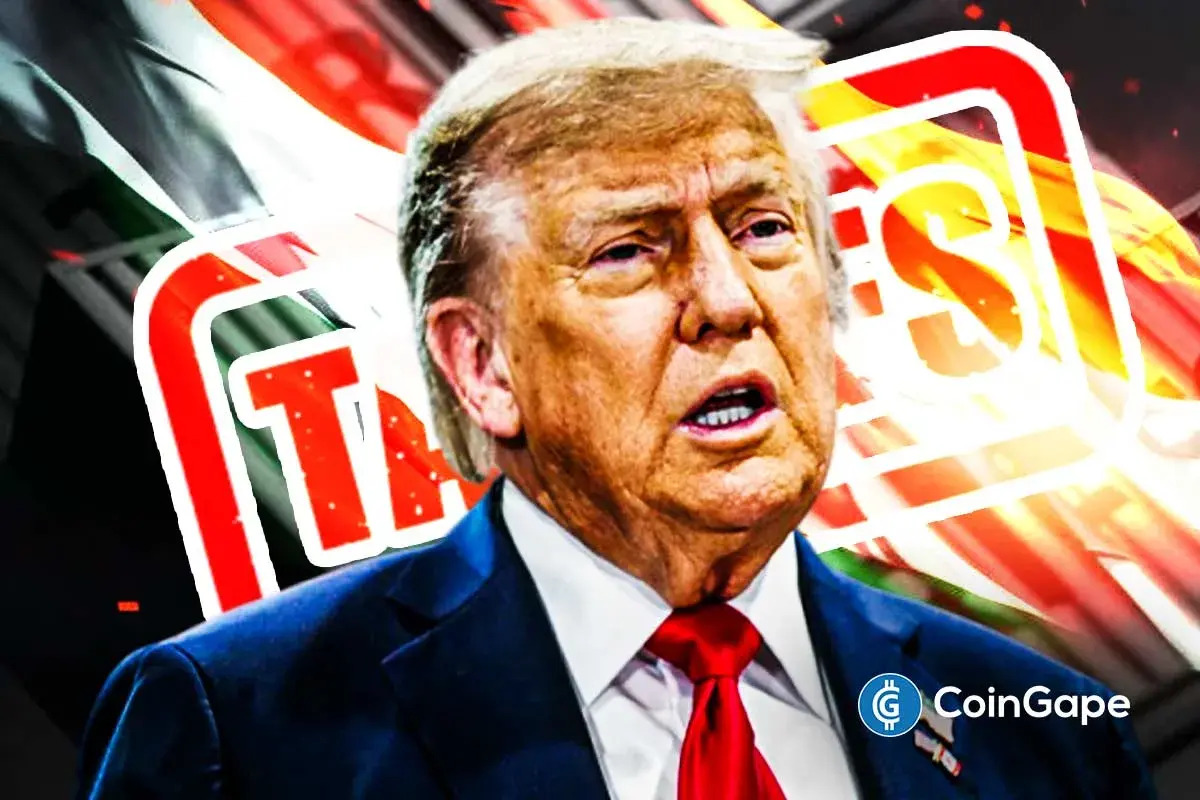
In a significant development on Monday, the announcement of a new trade deal between the United States and India under President Donald Trump propelled risk assets, including cryptocurrencies, higher. Following a pivotal conversation between Trump and Indian Prime Minister Narendra Modi, both nations confirmed a reduction in tariffs that previously burdened their trade relationship. This agreement not only signals a thaw in trade tensions but also represents a broader effort to enhance economic collaboration, particularly in sectors like energy, technology, and agriculture.
Immediate Implications of the Trade Deal
Under the newly forged agreement, U.S. tariffs on Indian goods will decrease from 25% to 18%, effective immediately. This substantial reduction aims to ease trade barriers and foster a more favorable trading environment. In turn, India has committed to eliminating tariffs and non-tariff barriers for American goods, promoting a more seamless trade exchange. Furthermore, both leaders outlined a roadmap for India to significantly boost imports of U.S. products, which could ultimately exceed $500 billion over time, illustrating the deal’s long-term potential.
Shifting Energy Dynamics
Energy supplies emerged as a critical area of focus during the discussions. Modi’s commitment to halt oil purchases from Russia showcases India’s pivot toward U.S. energy sources. This move not only supports U.S. energy interests but also aligns with international sanctions against Russia. In addition, there’s an indication that India may explore increased energy imports from Venezuela, diversifying its energy sources in the process. The energy sector’s evolution is poised to be a game-changer for both countries, offering robust opportunities for collaboration.
Crypto Markets React Positively
The announcement of the trade deal spurred immediate positive reactions in the cryptocurrency markets. Bitcoin saw an increase of 2.15% following the news, and Ethereum, along with other major cryptocurrencies, benefited from the broader risk-on sentiment. The historical context behind this reaction is essential, as previous fluctuations in Trump’s tariff policies have heavily impacted the crypto market. High tariffs often led to sell-offs as investors sought safer assets amid trade uncertainty, and this latest news effectively reversed that trend.
The Ripple Effect of Tariff Changes
The tariffs imposed by Trump in previous months had caused significant pressure on risk assets, and the recent rollback signals a shift towards a more favorable trading environment. Analysts have pointed out that evolving tariff policies present a critical risk factor for crypto markets. The initial surge in digital currencies can be interpreted as traders reassessing their risk exposure in light of reduced tariff pressures. Additionally, the suspension of tariffs on European nations earlier this year indicates a broader strategy of easing trade tensions.
Analysts Weigh in on Future Potential
The evolving relationship between the U.S. and India continues to attract analytical attention, with experts like Ashish Chaturvedi expressing optimism about the partnership. He emphasized that the relationship holds "LIMITLESS POTENTIAL," reinforcing the idea that both economic powerhouses can benefit from synergistic cooperation. As the U.S. and India navigate these new trade dynamics, the implications for various sectors—including cryptocurrencies—will likely unfold in the coming months, marking a notable shift in international trade relations.
Conclusion
In conclusion, the recent trade deal between the U.S. and India illustrates a significant milestone in international trade, with immediate benefits for both nations, particularly in the energy sector. The rollback of Trump tariffs and the mutual commitments to enhance trade represent a more collaborative future. As risk assets, including cryptocurrencies, react positively to this development, both nations stand to gain greatly from sustained economic partnerships. Analysts’ hopeful outlook towards the evolving U.S.–India relationship indicates that this is merely the beginning of a promising trajectory.