


Should the Federal Reserve Heed Trump’s Call for Interest Rate Cuts?
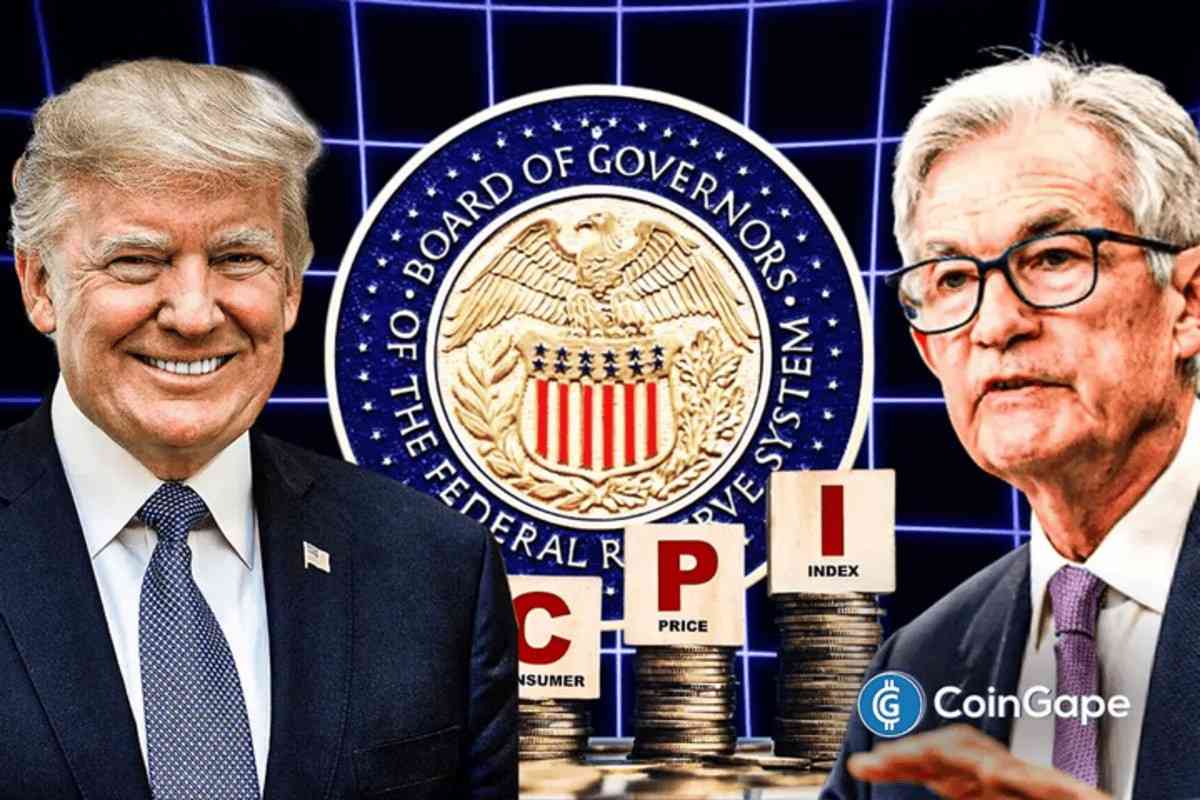
In a bold assertion, former President Donald Trump has urged the Federal Reserve to reduce interest rates, citing the latest Consumer Price Index (CPI) data that indicates U.S. inflation at a manageable 2.7%. This statistic, released in December, seemingly supports Trump’s argument for a more relaxed monetary policy at a time when many are feeling the squeeze of high borrowing costs. Trump’s post on Truth Social not only pointed to the December inflation figures but also expressed a sense of urgency for the Fed to act quickly to foster economic growth. His remarks bring forward the essential question; is he correct in advocating for a reduction in interest rates amid cooling inflation?
According to Trump, any hesitance on the part of Fed Chairman Jerome Powell to lower interest rates could stifle growth and lead to excessive borrowing costs. The released CPI data showed inflation remaining stable rather than rising, leading Trump to conclude that the Federal Reserve is “Too Late” in adjusting its course of action. Moreover, the core CPI, which excludes volatile food and energy prices, narrowed to 2.6%, performing lower than market expectations, and further solidifying the argument that inflationary pressures are easing. This perceived balance of prices provides an enticing landscape for Trump’s suggestions.
Market reactions have demonstrated an optimistic outlook on the possibility of rate cuts, with Bitcoin soaring above $92,000 shortly following the inflation report’s release. Investors often interpret a cooling in inflation along with potential rate reductions as an opportunity for increased liquidity, which tends to bolster equities and risk-sensitive assets, including cryptocurrencies. Nevertheless, while the hopes of rate cuts reverberate through the market, the reality is that the Fed is likely to remain measured in its approach.
Recent futures data from CME’s FedWatch tool indicates that the market expects the Federal Reserve to maintain its existing rates in the immediate future, with a reported 95% chance of no change after the January 2026 Federal Open Market Committee meeting. This statistic highlights a cautious environment within markets, suggesting that while Trump’s comments may resonate, they might not sway Fed policy in the short term. The reluctance to cut rates reflects a broader sentiment within the Federal Reserve, as recent minutes reveal that officials are awaiting clearer signs of inflation’s downward trajectory before making further adjustments.
Compounding the Fed’s indecision is the caution expressed by major financial institutions like JPMorgan, which now forecasts no imminent rate cuts, even with recent softer inflation data. The interdependencies of fiscal policies and tariffs – both of which have been significant in shaping economic landscapes – play a crucial role in the Fed’s deliberation process. These concerns have led policymakers to seek clarity on how these external factors will shape price trends in the months to come, further complicating Trump’s push for immediate rate intervention.
While the influence of a sitting president on market sentiment cannot be understated, the proactive response from the Federal Reserve will depend largely on economic conditions in the latter half of the year. Should inflation remain subdued, Trump’s calls for rate cuts may gain more traction. The latest CPI report has certainly fortified arguments in favor of a policy shift, but the cautious stance held by both the Fed and large banking institutions suggests that significant changes to interest rates may not materialize as swiftly as Trump advocates. Thus, the tug-of-war between political pressures and economic realities continues in the complex world of U.S. monetary policy.