



Trump’s Call for Emergency Fed Rate Cuts Amid Rising Inflation Concerns
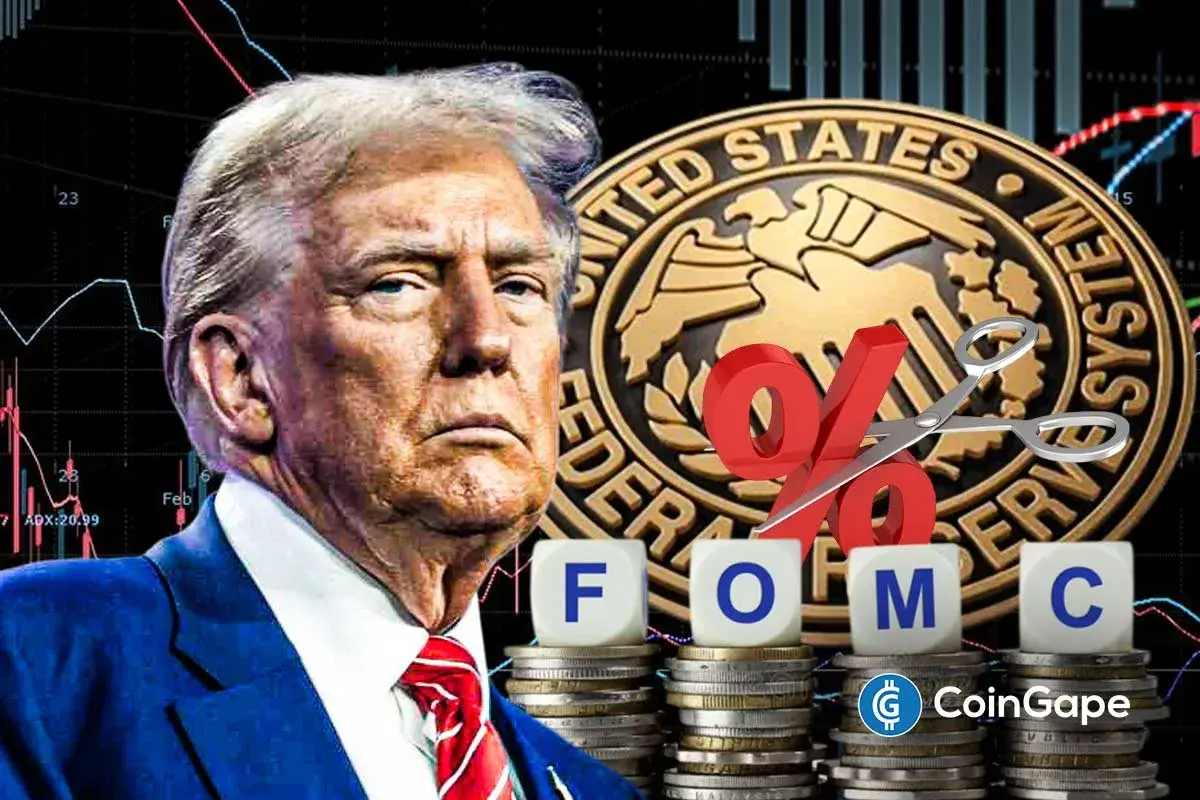
In light of escalating tensions following the U.S.-Iran conflict, President Donald Trump has intensified calls for the Federal Reserve (Fed) to implement an emergency interest rate cut. This urgency stems from concerns that ongoing geopolitical strife threatens to exacerbate inflationary pressures due to rising oil prices. As the Federal Open Market Committee (FOMC) gears up for its upcoming meeting next week, many analysts predict that the central bank will likely maintain the current interest rates rather than acquiesce to Trump’s demands for an immediate reduction.
Federal Reserve’s Stance: Keeping Rates Steady
President Trump has voiced his opinion through a post on Truth Social, urging Fed Chair Jerome Powell to proactively cut rates instead of waiting for the scheduled meeting. The latest data from CME FedWatch indicates a staggering 99.2% probability that the Fed will choose to keep rates steady during the next FOMC meeting. This contrasts sharply with Trump’s urgent call and highlights the prevailing cautious sentiment among Fed officials, especially in light of the potential for further economic instability caused by the Iran conflict. The discord could deter the Fed from easing monetary policy sooner than anticipated, causing uncertainty in financial markets.
Goldman Sachs Adjusts Rate Cut Predictions
While President Trump advocates for an immediate rate cut, investment bank Goldman Sachs has recalibrated its forecast regarding Fed actions, now expecting the first rate cut to occur in September instead of June. The bank’s updated outlook casts doubt on Trump’s anticipation of receiving swift monetary policy relief, particularly as external economic pressures mount. Analysts suggest that growing geopolitical risks, primarily stemming from the U.S.-Iran conflict, may force the FOMC to exercise even more caution, delaying rate cuts to a later timeline.
Historical Context of Intermeeting Rate Cuts
Looking back, emergency rate cuts are infrequent occurrences within the Fed’s history, with the last instance being an intermeeting cut in March 2020, which was a direct response to the COVID-19 pandemic. Given that the central bank typically prefers to communicate policy changes during scheduled meetings, the likelihood of an emergency cut happening soon appears bleak. Market participants and analysts remain vigilant, especially as JPMorgan has raised concerns about potential sell-offs if geopolitical tensions escalate further, impacting overall market sentiment and stability.
Future Projections and Market Reactions
As the likelihood of the U.S.-Iran war extending into the coming months increases, crypto traders have been adjusting their expectations. A recent poll on Polymarket revealed that the probability of the conflict lasting until May has surged to 70%. This rising sentiment among traders indicates a growing concern over inflation trends that could be driven by sustained high oil prices. Consequently, while it may seem that an interest rate cut is necessary to combat rising inflation, the myriad uncertainties surrounding the current geopolitical climate complicate the Fed’s decision-making process.
The Trump Administration’s Strategy on Rising Oil Prices
In an effort to address rising oil prices that threaten to fuel inflation, the Trump administration is considering several measures to mitigate these economic pressures. Among these potential actions is the waiving of the Jones Act, which could streamline the transportation of energy products across the U.S. Moreover, the President has instructed the Department of Energy to release 172 million barrels from the Strategic Petroleum Reserve, which is intended to stabilize prices and reduce inflation risks. These initiatives reflect the administration’s commitment to actively manage economic conditions in the face of external challenges, even as the Fed considers its next steps regarding interest rates.
In conclusion, as President Trump pushes for immediate Fed action to ease interest rates, the complex interplay of geopolitical tensions, inflation expectations, and market reactions will likely shape the Fed’s decisions in the near future. With key economic indicators and expert predictions indicating a cautious approach, the Trump administration’s strategies to combat rising oil prices will play a vital role in navigating these tumultuous economic waters. The upcoming FOMC meeting will therefore be pivotal in determining the path forward for U.S. monetary policy amidst ongoing uncertainty.