


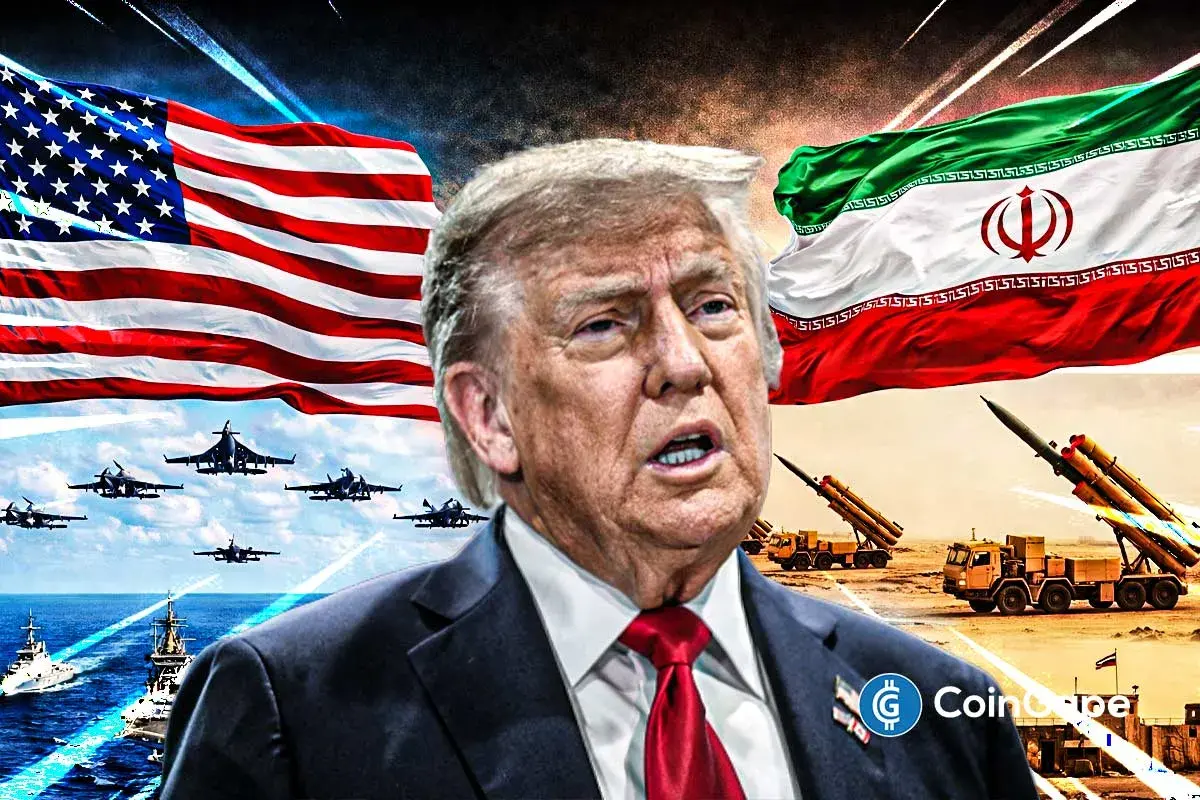
U.S.-Iran War: Trump’s Deadline and Potential Extension as Peace Talks Progress
The ongoing tensions between the United States and Iran have kept the world on edge, particularly as U.S. President Donald Trump considers extending the deadline for military action against Iran. In a recent interview with FOX News, Trump hinted that if peace talks show promising signs today, he may reconsider his previously set strike timelines. This development has also seen Bitcoin and the broader cryptocurrency markets responding with cautious optimism, reflecting the intertwining of geopolitical tensions and financial markets.
Trump’s Stance on Military Action
As the clock ticks towards Trump’s 8 p.m. deadline, he has remained firm about the possibility of engaging in heavy military strikes against Iran should a peace deal not materialize. The President’s previous remark emphasized a readiness for action if the situation does not evolve positively. His history of extending deadlines—three times so far—suggests that while he is prepared for confrontation, he is equally open to the idea of negotiation should significant progress arise during discussions.
Peace Talks and Diplomatic Channels
Recent reports indicate that there has been substantial movement in U.S.-Iran negotiations within the last 24 hours. Despite Trump’s aggressive posturing, key mediators like Pakistan have affirmed they have not lost hope in facilitating a peace deal—even as challenges remain. U.S. Vice President J.D. Vance, during a speech in Hungary, reinforced the notion that extensive negotiations would likely continue as the deadline approaches. However, with fears of military action looming large, Iran has expressed wariness, further complicating the diplomatic landscape.
Iranian Media Insights
Iranian outlets, such as the Tehran Times, have worked to counter narratives suggesting a complete breakdown in diplomacy. Reports confirm that despite Trump’s aggressive stance, diplomatic channels remain operational, with Iran continuing to exchange messages through intermediaries like Pakistan. This indicates that while conversations may be strained, parties are still willing to engage, which could bode well for averting conflict.
The Crypto Market’s Reaction
The volatile nature of international relations often has a direct impact on financial markets. As news of potential peace negotiations has circulated, Bitcoin, the leading cryptocurrency, saw a rise in its market value, climbing above $68,000. It is noteworthy that Bitcoin has shown resilience, with current trading figures hovering around $68,300, down less than 1%. Investors are clearly keeping a close eye on developments in the U.S.-Iran war, as any significant change could sway market sentiments.
Challenges Ahead
Despite a few positive indications from the ongoing negotiations, the prospect of securing a ceasefire deal by Trump’s imminent deadline remains uncertain. Analysts caution that while optimism should not be ruled out completely, a lot still hinges on various geopolitical factors, including Iran’s response to U.S. threats. The stakes are high, with military action not only risking loss of life but also creating ripple effects in the global economy, especially within the oil and investments sectors.
The Path Forward
As the situation unfolds, various stakeholders, including governmental bodies, financial institutions, and international organizations, are watching closely. The diplomatic efforts led by countries like Pakistan will be instrumental in any potential resolution. As of now, the deadline looms, but the intricate dance of negotiation continues. The outcome could significantly impact both geopolitical stability and the crypto market, creating a scenario where both diplomacy and investment acumen will be tested in unprecedented ways.
In conclusion, the evolving U.S.-Iran tensions signify a critical juncture that could either escalate into conflict or pivot towards lasting peace. For now, all eyes remain on Trump’s decision-making and the ongoing dialogues that may very well shape the future of international relations.