


Possible Peace Talks: Trump Signals Shift in U.S.-Iran Relations
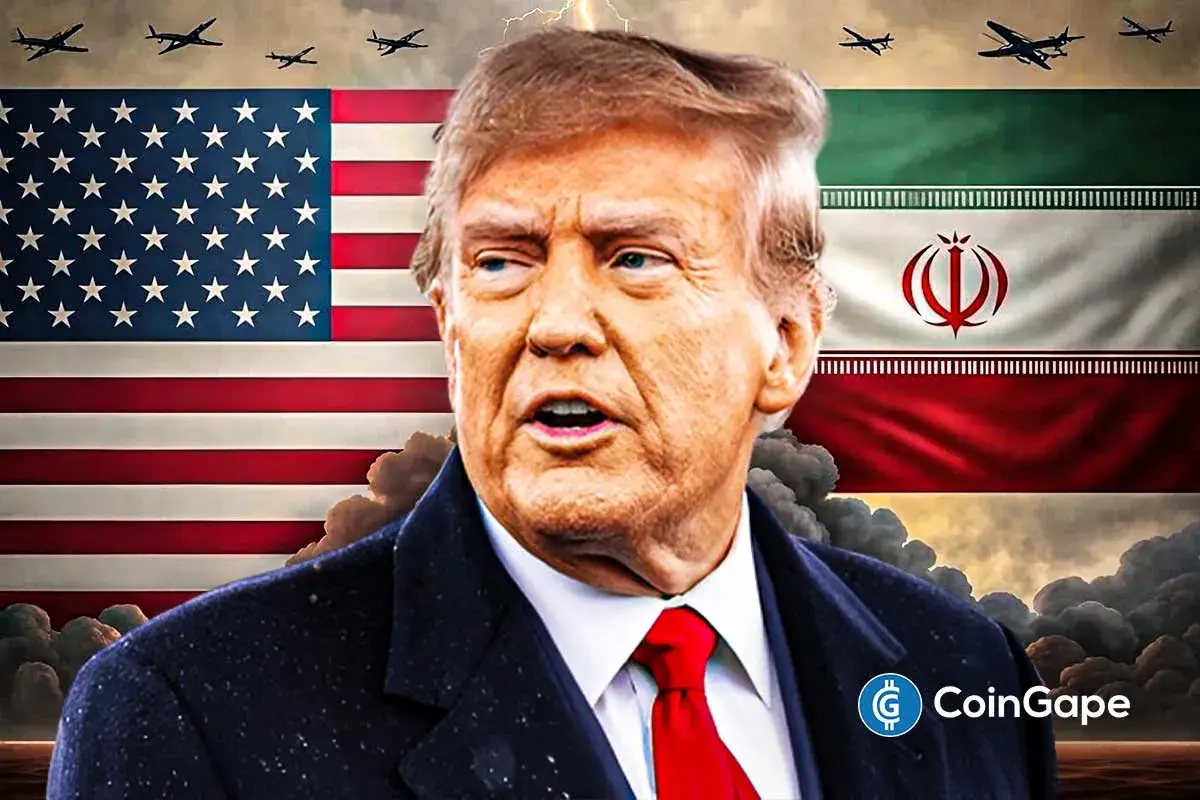
Recent comments from U.S. President Donald Trump have sparked discussions about the potential for renewed talks with Iran amid the ongoing U.S.-Iran war. Despite these optimistic overtures from Trump, Iranian Foreign Minister Abbas Araghchi has firmly ruled out negotiations with the U.S. to end the conflict, highlighting the complexities of diplomatic relations.
Trump’s Remarks on Potential Peace Talks
In a surprising turn of events, President Trump expressed that he might consider engaging with Iranian leaders for discussions aimed at resolving the conflict. He remarked, “I’m hearing they want to talk badly,” suggesting that the Iranian leadership might be interested in negotiating terms for peace. However, he also made it clear that any talks would hinge on the conditions set, highlighting the complicated power dynamics at play. This openness to dialogue marks a significant departure from his previous stance, where he demanded an "unconditional surrender" from Iran as a prerequisite for any meaningful discussions.
The Iranian Response: Firm Stance Against Negotiation
Despite Trump’s willingness to explore talks, Iran remains steadfast in its resistance to negotiations with the U.S. Foreign Minister Araghchi reiterated that any discussions about peace are off the table, emphasizing that Iran is prepared to continue its military operations indefinitely. His statements underline a strong commitment to fighting back against the U.S.-led initiatives, illustrating a clash of perspectives between both nations. This refusal for dialogue complicates an already tense situation, casting doubts on the feasibility of an immediate resolution.
Impact of the Conflict on Global Oil Prices
The ongoing U.S.-Iran conflict has significantly affected global markets, particularly oil prices. The recent military maneuvers and threats from both nations have prompted fluctuations in oil prices, making them a focal point for global economic discussions. Iran’s strategic move to close the Strait of Hormuz, a critical chokepoint for oil transportation, has further fueled concerns over supply disruptions. In response, Trump issued warnings of a robust military retaliation should Iran attempt to disrupt oil flows, causing a temporary drop in oil prices.
Escalation of Military Actions
As the U.S.-Iran war enters its eleventh day, military actions have intensified on both sides. Reports indicate that the Iranian army has conducted drone strikes targeting Israeli oil and gas facilities, prompting Israel to enhance its defensive measures. Meanwhile, the U.S. Secretary of Defense has noted that the current situation may lead to a significant escalation in military activity, indicating that hostilities could ramp up in the foreseeable future. This ongoing cycle of attack and retaliation raises concerns about the broader regional implications of the conflict.
Cryptocurrency Markets React to Developments
The developments in U.S.-Iran relations are also impacting cryptocurrency markets, particularly Bitcoin. The currency had seen gains earlier in the day but faced a pullback following Trump’s comments suggesting an imminent end to the war. The volatility in these markets signals that investors are closely monitoring geopolitical events, understanding that the outcome of this conflict may have broader economic ramifications.
The Path Forward: Challenges and Considerations
The current standoff between the U.S. and Iran raises critical questions about the future of international relations and global stability. While Trump’s recent comments about peace talks signal a willingness to engage, the firm stance from Iran complicates the possibility of resolution. As both nations navigate this precarious situation, ongoing military actions, economic repercussions, and the potential for diplomatic engagement will shape the evolving landscape of U.S.-Iran relations. The world watches closely as this pivotal moment unfolds, keenly aware that the stakes are high for regional and global stability.
In summary, whether peace talks will materialize remains to be seen, but both nations will need to navigate these turbulent waters carefully to avoid further escalation and begin to chart a path toward resolution.