


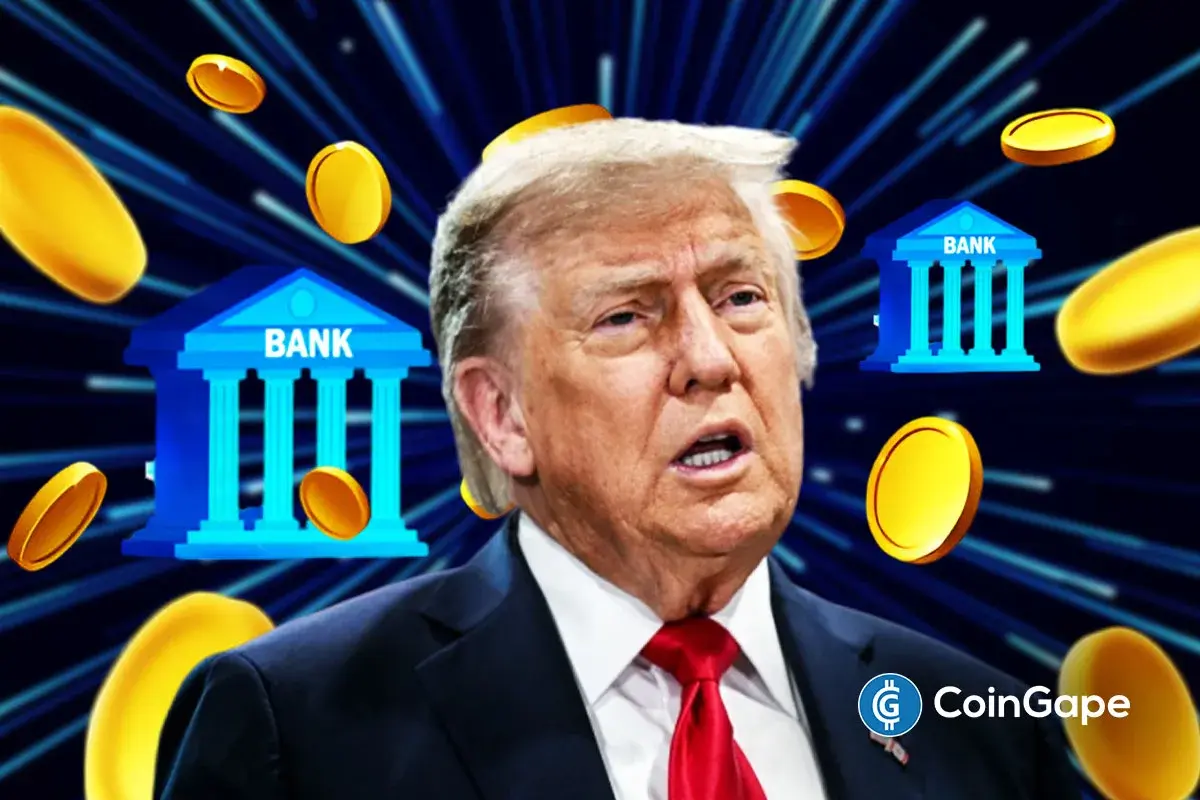

Title: Trump’s Lawsuit Against JPMorgan Chase: A Political Stand or Corporate Decision?
Introduction
In a bold move that has captured media attention, former President Donald Trump has initiated a lawsuit against JPMorgan Chase and its CEO Jamie Dimon, seeking damages of at least $5 billion. The lawsuit, filed in Miami-Dade County, alleges that the banking giant unlawfully terminated Trump’s accounts due to political motivations, claiming that the decision was based on his conservative ideology. This article explores the details of the lawsuit, the background behind it, and the implications for both Trump and JPMorgan Chase.
The Basis of Trump’s Claims
Trump’s lawsuit asserts that JPMorgan abruptly halted banking services for him and his affiliated entities without any prior notification. The claims revolve around trade libel, breach of the covenant of good faith, and a violation of Florida’s Deceptive Trade Practices Act (FDUTPA). The timing of JPMorgan’s actions comes into play, notably occurring around seven weeks post the January 6, 2021, U.S. Capitol riot. Trump posits that the bank’s decision stemmed not from risk exposure, but from a strategic choice to distance itself from his political persona.
Context and Allegations of Political Motivation
Trump’s legal team argues that the termination of his accounts constitutes a politically motivated attempt by large financial institutions to "debank" him. This move aims to highlight what Trump views as systemic bias in the banking industry against individuals with conservative affiliations. Additionally, the filing claims that Trump, the Trump Organization, and his family members were essentially blacklisted and deprived of essential wealth management services.
JPMorgan’s Defense
In response, JPMorgan Chase categorically denies Trump’s allegations. The bank asserts that its decision-making process is governed by legal, regulatory, and compliance considerations rather than political beliefs. JPMorgan cited the evolving regulatory landscape as a primary reason for account terminations, emphasizing that political or religious grounds do not factor into their banking practices. The bank aims to maintain that such decisions are standard practice to ensure compliance with changing regulations.
Broader Implications
The lawsuit is not merely a personal battle for Trump but also highlights a larger conflict over the treatment of politically affiliated individuals by financial institutions. Observers note that this kind of litigation may prompt other customers, especially those in high-profile positions or in niche sectors like cryptocurrency, to reconsider their relationships with banks. JPMorgan has faced scrutiny from various politicians and industry figures, who have voiced concerns over its alleged discriminatory practices against individuals in the crypto space, further complicating the bank’s public image.
Conclusion: The Future of Banking and Politics
As Trump embarks on this legal journey, the outcome remains uncertain, with potential ramifications that could extend beyond the courtroom. This case raises essential questions about the intersection of banking and politics. With the banking sector under increasing scrutiny for how it handles politically aligned customers, both Trump and JPMorgan Chase are likely to face amplified public and media scrutiny as the lawsuit unfolds. The eventual resolution of this case will reveal not only the risks associated with financial institutions’ policies but also the broader implications for political discourse in America.