


U.S.-Iran Relations: Trump’s Stance and Its Economic Implications
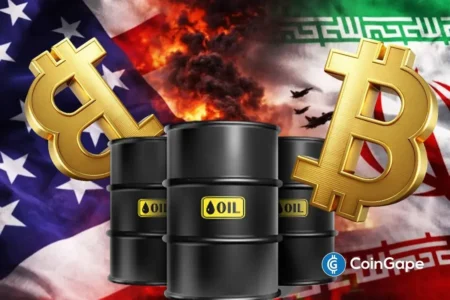
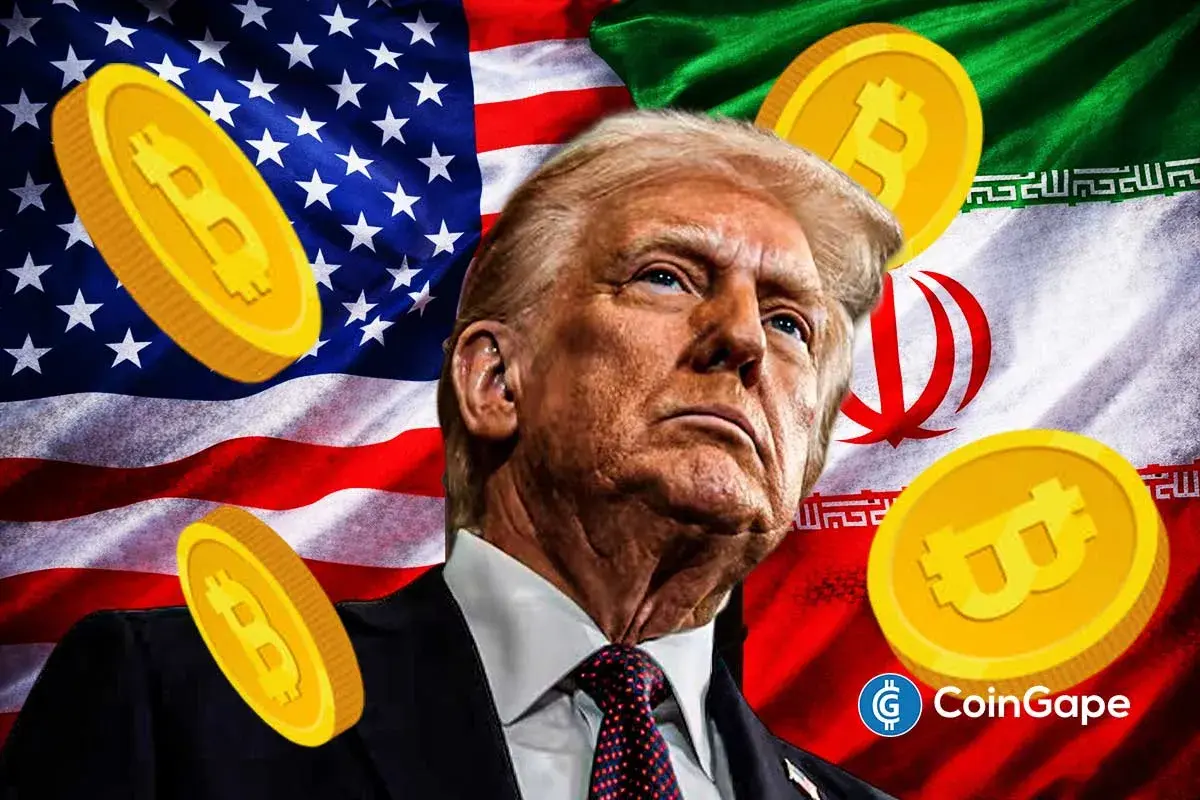
In the realm of international relations, few conflicts have garnered as much attention as the escalating tensions between the U.S. and Iran. Recently, former U.S. President Donald Trump made headlines with a bold proclamation on Truth Social, asserting there would be no negotiation with Iran unless the country surrenders unconditionally. This stark outlook on diplomacy coincides with alarming surges in oil prices amidst the ongoing U.S.-Iran war, raising concerns about inflation and presenting risks for the cryptocurrency market.
Trump’s Firm Position on Iran
Trump’s uncompromising stance emphasizes that any future engagement with Iran hinges on its total capitulation. He suggested that an unconditional surrender would involve the U.S. assuming control over selecting Iran’s future leadership. In his message, Trump claimed that the U.S. and its "wonderful and very brave allies" would devote extensive efforts to uplift Iran from "the brink of destruction,” aiming to enhance its economic standing. This declaration adds a layer of uncertainty around the conflict, particularly as Iran has indicated it has no interest in negotiating. The ramifications of this hardened position continue to ripple through multiple sectors, particularly in the oil and cryptocurrency markets.
Rising Oil Prices Amid Conflict
The geopolitical tensions have triggered a spike in oil prices. Following Trump’s announcement, Brent crude surged above $90 per barrel, marking an over 8% increase and reaching its highest level in two years. Similarly, U.S. oil prices, measured by West Texas Intermediate (WTI), have seen a substantial rise, approaching $90 after a 10% increase in the derivatives market. Year-to-date, the WTI price has climbed over 55%, with a significant jump of over 36% since the conflict reignited last week. These price increases highlight the direct influence of political instability on global commodities.
Implications for Cryptocurrency Markets
The rebound in cryptocurrency, particularly Bitcoin, is now facing potential headwinds due to the ongoing U.S.-Iran war. Bitcoin slipped below the $70,000 mark amid escalating oil prices and market uncertainty. Financial analysts, including those from JPMorgan, have suggested that the crypto market might be vulnerable to downturns reminiscent of the market responses seen during the onset of the Ukraine war in 2022. Historical analysis indicates that risk assets like cryptocurrencies and equities tend to experience delayed reactions to geopolitical events, suggesting that deeper declines could be on the horizon if the conflict persists.
Future Projections for Oil Prices
Experts, including those from Qatar, have issued warnings that the ongoing U.S.-Iran war could catalyze oil prices to reach as high as $150 per barrel in the near future. Energy Minister Saad al-Kaabi emphasized the potential global economic fallout, highlighting that conflicts in the Middle East could jeopardize the stability of economies worldwide. In the wake of these concerns, several Gulf nations are adjusting their production levels. Reports indicate that Kuwait has started reducing oil output due to limited storage capacity for its crude, further constricting global supply.
Economic Ramifications and Inflation Concerns
The ongoing conflict and resultant rise in oil prices have sparked concerns regarding inflation. Former U.S. Treasury Secretary Janet Yellen underscored that heightened oil prices could exacerbate inflationary pressures in the U.S. economy, complicating monetary policy decisions. The Federal Reserve may be compelled to maintain its interest rates to counteract inflation rather than pursue further reductions, which could have ripple effects in both traditional and digital asset markets. The crypto market, already on shaky ground, could face additional challenges if inflation remains unchecked.
Conclusion
As the U.S.-Iran conflict unfolds, the implications of Trump’s rigid stance resonate in multiple sectors, particularly affecting oil prices and the cryptocurrency landscape. The potential for skyrocketing oil prices, driven by geopolitical instability, poses significant risks for global economies and may hinder financial recovery. Investors should keep a watchful eye on these developments, acknowledging that the relationship between international affairs and market dynamics is crucial for informed decision-making. As we move forward, the interplay between diplomacy, oil, and digital assets will remain vital in shaping the future economic landscape.