



Trump Sets Stage for New Fed Chair Selection: What It Means for U.S. Monetary Policy
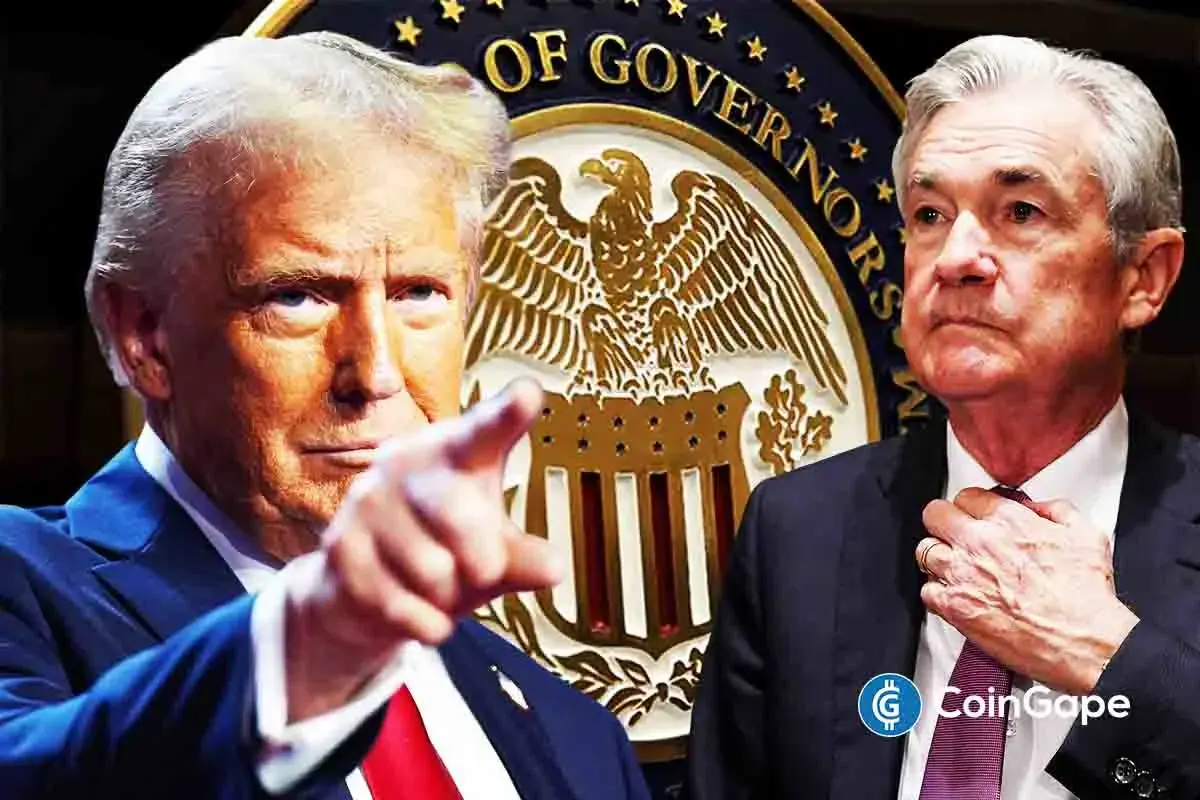
In a recent Cabinet meeting, President Donald Trump has confirmed his timeline for announcing the next Chair of the Federal Reserve, revealing that the selection will be made early in 2026. This confirmation provides clarity amid weeks of speculation regarding who will succeed Jerome Powell, whose term concludes in May. Trump’s comments underline the critical moments ahead for U.S. monetary policy, setting the stage for potential shifts that could have significant ramifications for the economy.
The Selection Process
Trump’s announcement comes as Scott Bessent, the Treasury Secretary, has spearheaded the selection process. Previously indicating a potential timeline around Christmas for the final decision, this latest update pushes back the expected announcement, piquing interest among investors and financial analysts. Trump has hinted that he already has a leading nominee in mind, stating that the list has been narrowed down to one candidate. This tight timeline for selection reinforces the urgency for both the administration and market participants to prepare for the implications of the new Fed leadership.
Speculation Around Candidates
Among the possible candidates, Kevin Hassett, the head of the White House National Economic Council, is considered a frontrunner. Hassett’s recent comments expressing his willingness to serve as the new chair bolster this speculation. Yet, he’s not the only name on Trump’s radar. Other potential candidates include Fed Governors Christopher Waller and Michelle Bowman, former Fed Governor Kevin Warsh, and BlackRock executive Rick Rieder. While Trump has joked about the possibility of choosing Bessent himself, Bessent has consistently dismissed the notion, maintaining a focused approach on the selection process.
The Importance of the Decision
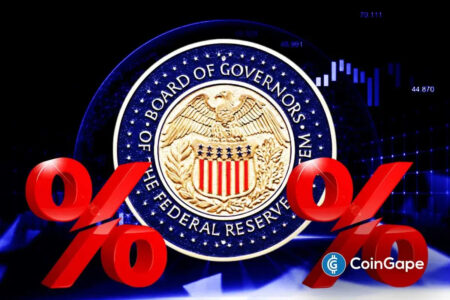
As the new Chair will ultimately oversee the critical lever of U.S. monetary policy, the implications of Trump’s pick are far-reaching. Economic stability and rate adjustments are pivotal tasks for the incoming chair, particularly in the current climate characterized by high inflation and economic concerns. Trump has criticized Powell for being slow in making rate cuts and has conveyed a preference for a more aggressive approach in monetary policy. This forthcoming change at the helm of the Fed may signal a significant policy shift if Trump’s new appointee aligns with his vision.
Senate Confirmation
It is crucial to note that any new appointee will require Senate confirmation, which could pose its challenges. Given the political dynamics within the Senate, particularly as the selection date approaches, the confirmation process may become a focal point of contention. If Trump opts for an outsider to the Federal Reserve, that individual would be positioned to serve a unique 14-year term as a governor, which could significantly impact the Fed’s long-term policies and directions.
Implications for Market Expectations
With Trump’s confirmation of an early 2026 announcement, investors and policymakers now have a clear timeline to anticipate changes in the Federal Reserve’s leadership. The impending appointment is likely to have profound implications for U.S. economic policy, particularly concerning interest rates and financial stability. As market expectations evolve, stakeholders will closely monitor developments, positioning themselves to adapt to the future landscape of monetary policy under new guidance.
Conclusion
As we approach the early 2026 timeline for the announcement of the next Fed Chair, the anticipation surrounding this decision grows. With Trump poised to reshape the leadership of one of the most influential financial institutions in the world, the economic repercussions could be significant. The choice of the new chair will not only reflect Trump’s vision for U.S. monetary policy but will also resonate through markets, shaping economic strategies and investor confidence. This pivotal moment in U.S. banking history warrants close attention from all sectors, as both the administration and the country gear up for critical decisions that lie ahead.