


Understanding the U.S.-EU Trade War Tensions: Progress on the Horizon?
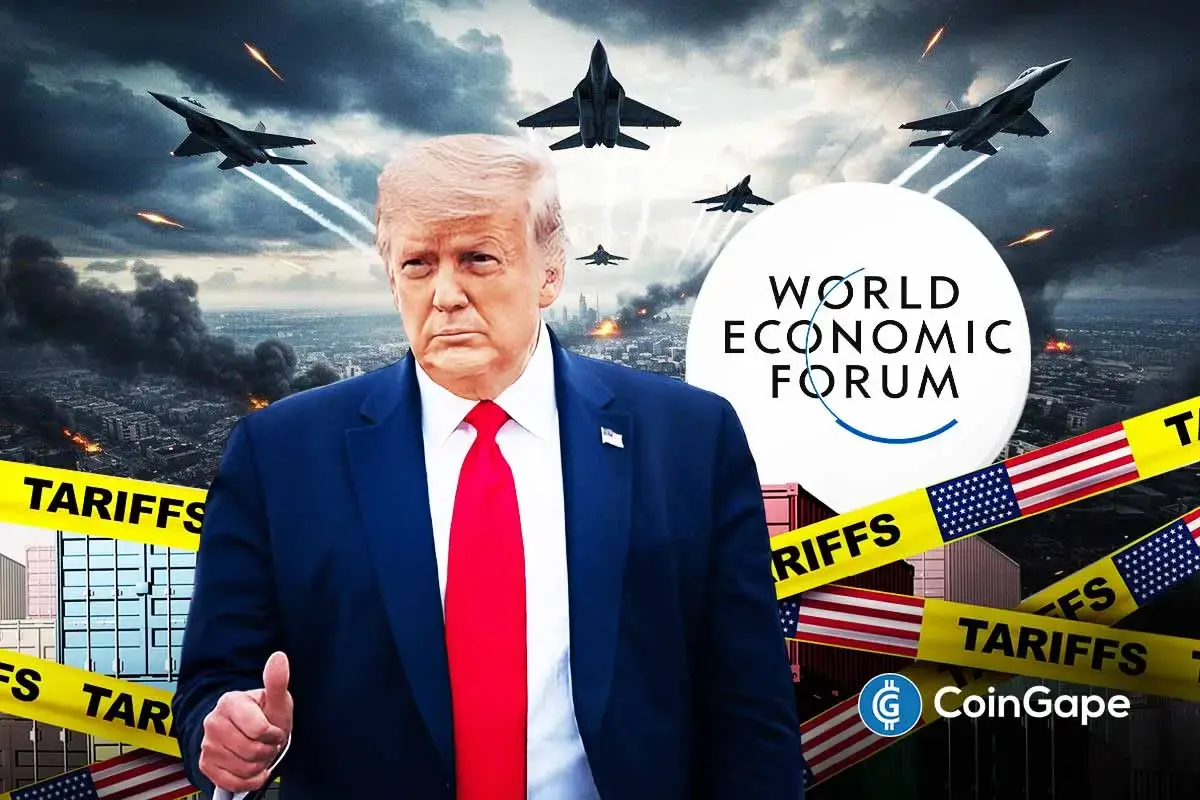
The ongoing trade war tensions between the United States and the European Union have taken a noteworthy turn recently, as major developments suggest potential progress. U.S. President Donald Trump has announced his intentions to engage in discussions regarding the controversial Trump tariffs at the upcoming World Economic Forum in Davos. This move hints at a willingness to navigate through the complexities of trade disputes, particularly those surrounding Greenland, which has become a focal point of international discussions.
Trump Tariffs and Greenland’s Strategic Significance
One of the critical aspects of this evolving narrative is Trump’s stated interest in acquiring Greenland, a territory with substantial geopolitical importance. The President claimed to have had a productive phone conversation with Mark Rutte, the Secretary General of NATO, about the strategic relevance of Greenland. During this conversation, they agreed to meet at the Davos summit to discuss not just Greenland’s security but also the implications of the recently implemented 10% tariffs on nations opposing the acquisition plan. Trump emphasized that Greenland is vital for national and world security, which underlines his administration’s broader strategic goals.
EU’s Response to U.S. Tariffs
In reaction to the tariffs, the European Union has rallied to support member nations affected by the U.S. stance. EU leaders convened an emergency summit to devise protective measures aimed at countering Trump’s plans. The collective decision to prevent the imposition of tariffs reflects a robust sentiment coordinated among EU countries, demonstrating their commitment to safeguard their economic interests. This protest against U.S. tariffs signifies the EU’s readiness to challenge unilateral U.S. decisions, could set a precedent for future international trade relations, and potentially escalate the conflict further if unresolved.
Anticipating Market Responses
The trade tensions have already caused significant ripples across global markets. Following the announcement of tariffs, the cryptocurrency market took a noticeable hit, with Bitcoin’s price plummeting to a staggering low of $91,000, leading to liquidations that crossed $850 million. Stock market investors are also preparing for declines when trading resumes after the Martin Luther King holiday, reflecting heightened concerns about the economic fallout from ongoing tariff escalations. As market participants reposition their portfolios in response to the unfolding scenarios, the financial landscape remains in a state of uncertainty.
The U.S. Economic Narrative
Despite the turbulence, Trump remains confident in the resilience of the U.S. economy. He asserts that the United States currently enjoys one of the hottest economies in the world, a perspective he is expected to reiterate in an upcoming address about his administration’s economic achievements. Trump believes that emphasizing the strength of the U.S. economy could be a pivotal factor in achieving a favorable resolution to the trade tensions. His optimism presents a stark contrast to the volatility witnessed in the markets, citing the potential for negotiation outcomes that might stabilize relations between major economies.
The Road Ahead: What to Expect at Davos
As the Davos summit approaches, the anticipation of negotiations fuels hope for resolution. The discussions surrounding tariffs and Greenland are crucial for not only U.S.-EU relations but also for the broader international economic landscape. The proposals put forward at this significant gathering could shape future trade frameworks and redefine alliances. Negotiation outcomes will ideally set the stage for more stable economic conditions, impacting global markets and investor confidence.
Conclusion: Can Progress Be Made?
The unfolding saga of trade tensions between the U.S. and EU encapsulates the complexities of modern international relations. With the Davos summit on the horizon, the stakes are high as both parties prepare to engage in turbulent discussions. While Trump’s ambitions concerning Greenland and the resulting tariff implementations have sparked backlash, the potential dialogue at Davos may offer a chance for a breakthrough. As investors and global markets look on, the outcome of these high-stakes negotiations remains uncertain, but the notion of progress cannot be dismissed. All eyes will be on the discussions as they unfold, with hopes of stabilizing the economic landscape in a time of tension.