



Stay Diversified and Document Everything
In today’s ever-evolving financial landscape, diversification is paramount. Relying on a single bank can expose you to unnecessary risk, as evidenced by the sudden collapse of platforms like Juno. To mitigate this risk, maintain accounts at two or three different financial institutions to ensure continuous access to your funds. This diversified approach not only enhances financial security but also offers a buffer against unforeseen banking failures. It’s essential to keep meticulous records of all transactions, particularly large transfers, as these documents serve as proof of legitimate activity and can protect you in case of disputes or inquiries.
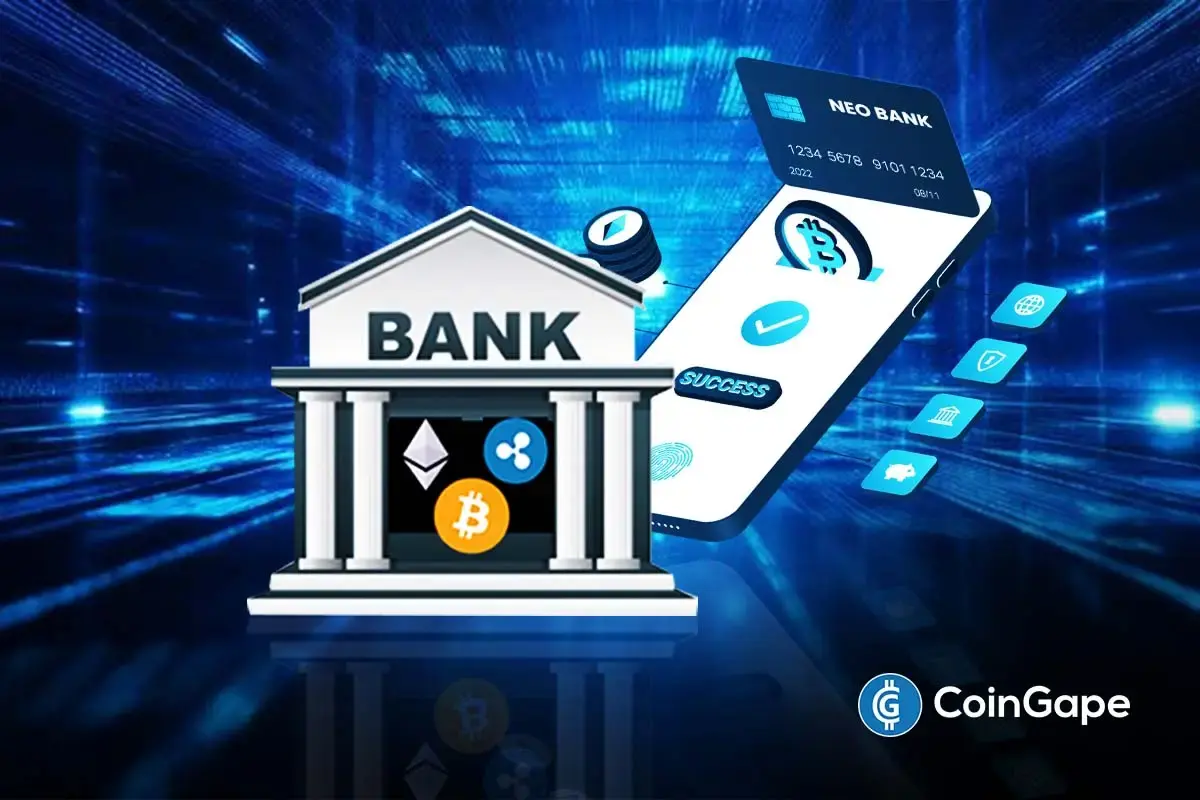
When handling both fiat and cryptocurrency, it’s prudent to utilize banks solely as fiat rails. This involves holding your dollars in accounts with robust FDIC insurance while keeping your crypto assets in your own wallets. For substantial holdings—those exceeding $10,000—investing in hardware wallets like Ledger or Trezor significantly enhances your security. By storing your crypto in personal hardware wallets, you circumvent any negative impact caused by bank closures. Regularly withdrawing profits from exchanges into self-custody wallets not only secures your assets but also simplifies your financial management.
Tax and Banking Relationships Matter
Understanding your tax obligations is essential for anyone involved in cryptocurrency, especially in the United States, where banks are mandated to report to the IRS. Utilizing crypto tax software—such as CoinLedger, Koinly, or TaxBit—can streamline the process of tracking your cost basis and managing your tax responsibilities. This is particularly crucial for high-volume users who frequently engage in transactions. Establishing a personal relationship with your banker can also be beneficial. If you plan to make large wire transfers—especially those surpassing $100,000—communicating with your bank in advance can help prevent any unnecessary blocks or delays in your transactions.
Managing your banking relationships effectively can provide additional advantages. Often, attentive communication can lead to more lenient oversight on large transactions. This proactive approach can help smooth any potential hiccups that may arise in the course of your trading activities. Furthermore, being well-informed about your bank’s policies regarding cryptocurrency can empower you to navigate financial transactions with greater confidence.
The “Too Big to Bank” Problem
As your financial ambitions grow, so too do the complexities of managing your assets. High-value transfers, particularly those involving seven-figure amounts, can trigger scrutiny, even among crypto-friendly banks. To navigate this landscape successfully, consider spreading large transactions over days or across different financial institutions. This strategy reduces the likelihood of any single transaction raising flags and allows for greater fluidity in your banking operations.
For ultra-high-net-worth individuals (UHNW) with portfolios exceeding $5 million, private banks like Goldman Sachs or Morgan Stanley now offer specialized digital asset services. These services are designed to cater to high-value clients, providing a bespoke banking experience that accommodates the unique needs of cryptocurrency investors. Engaging with a private bank can open doors to additional resources and insights into managing both traditional assets and digital currencies effectively.
Emphasizing Education and Adaptability
Navigating the complex world of banking and cryptocurrency requires constant learning and adaptability. As regulations evolve and new technologies emerge, staying informed allows you to make prudent decisions regarding your finances. Engage with webinars, read industry reports, and join forums where discussions focus on cryptocurrency and banking. This commitment to education can empower you to leverage opportunities in the digital currency realm while mitigating any risks associated with traditional banking systems.
Additionally, be proactive in adjusting your strategies in response to market trends and regulatory changes. The cryptocurrency landscape can be volatile, and a flexible approach can provide a competitive edge. By staying adaptable and responding swiftly to changes in the market, you can protect your assets and make informed financial decisions that are in alignment with your investment goals.
Building a Supportive Financial Network
Establishing a network of supportive financial professionals can enhance your investment journey in cryptocurrency. Seek out financial advisors, tax experts, and legal professionals who specialize in digital assets. Building relationships with these experts can provide invaluable guidance and support as you navigate the complexities of managing both fiat and cryptocurrency. This network can also serve as a sounding board for your ideas as you explore new investment opportunities.
Leveraging the knowledge and expertise of your network can also lead to a more comprehensive understanding of the tax implications, regulatory requirements, and market dynamics associated with cryptocurrency investments. By collaborating with professionals who are well-versed in these areas, you can make more informed decisions that align with your long-term financial goals and risk tolerance.
Conclusion: The Road Ahead
In conclusion, the intersection of banking and cryptocurrency demands a strategic and informed approach. By diversifying your banking relationships, documenting every transaction meticulously, and leveraging technology for tax management, you can safeguard your assets. Equally important is fostering strong relationships with banking professionals and building a network of financial advisors to provide ongoing support.
As the cryptocurrency landscape evolves, remaining educated and adaptable will equip you to navigate potential challenges and capitalize on emerging opportunities. By employing these strategies, you can effectively manage your financial assets while ensuring that your investments remain secure and compliant with ever-changing regulations. The road ahead may be challenging, but with the right tools and mindset, you can thrive in this dynamic financial environment.