


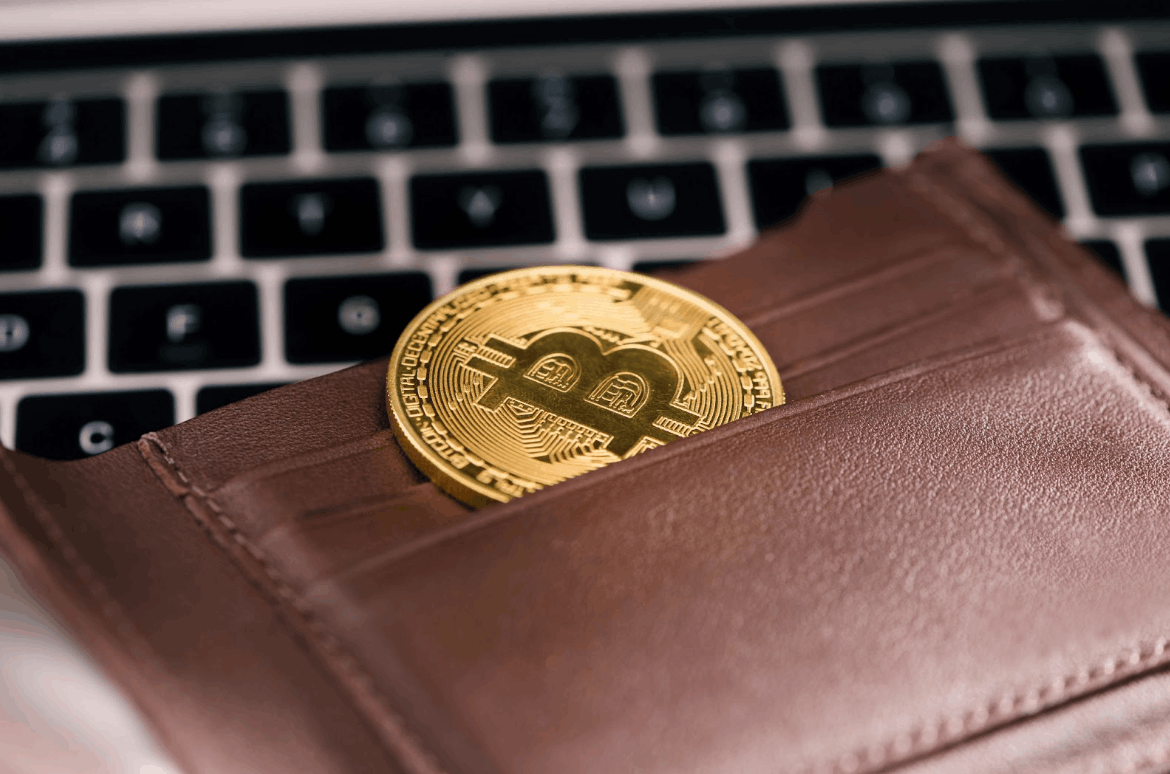

The Evolution of Web3 Wallets: Trends, Challenges, and Future Directions
In the rapidly advancing world of Web3 and cryptocurrency, the concept of digital wallets has become integral to the ecosystem. Just as physical wallets store traditional currency, crypto wallets serve as virtual containers for digital assets. They have evolved through various iterations like hot storage and cold storage, each addressing distinct security needs and user preferences. With the rise of diverse Web3 platforms, wallets have proliferated, leading us to question how far we’ve come and where we’re headed next.
Understanding the Role of Wallets
At their core, crypto wallets serve vital functions—secure storage of digital assets, facilitating transactions, and enabling users to access various ecosystems. Major players like MetaMask, Trust Wallet, and Coinbase have established benchmarks for security and usability. They allow users to securely store cryptocurrencies, but as we approach 2025, it’s clear that more is expected. Users now demand increased control, seamless integration with DeFi and Web2 platforms, and a cohesive experience across different blockchain environments. This shift highlights a growing desire for versatile wallets that adapt to individual lifestyles and preferences.
Security: Beyond Basics
While security remains a top priority, the landscape has evolved from basic encryption methods to more advanced features that provide robust protection without sacrificing usability. The implementation of Multi-Party Computation (MPC), Zero-Knowledge Proofs (ZKP), and multi-signature options represent the forefront of wallet security measures. Companies like Mixin are pioneering these features, offering tailored security solutions that can scale from individual users to institutional clients. The focus is on creating a secure environment that users can navigate without friction, merging convenience with safety in the ever-growing digital landscape.
Catering to a Mass Audience
As the crypto market expands, attracting the average consumer has become essential. This demographic generally lacks technical expertise, making user-friendly design non-negotiable. Innovations, such as moving beyond the traditional seed phrase for account access, represent strides towards inclusivity. Social login options, while less secure than seed phrases, offer a familiar experience, balancing convenience with reasonable security measures. Additionally, customizable wallet addresses are emerging as a way to simplify the user experience, providing a smoother process for transactions.
Wallets Enhancing Everyday Transactions
The evolving functionality of wallets means they are now instrumental in daily financial interactions. Modern wallet applications mirror social payment platforms like Venmo, enabling seamless money transfers and personalized transaction descriptions. However, the challenge lies in marrying these social functionalities with high-grade security. Mixin stands out by integrating social features with P2P payments, all while ensuring user privacy and asset protection. Their unique features allow users to interact socially while securely managing transactions directly within conversations.
Integrating User-Friendly Features
As wallet use becomes more widespread, integration with other services is paramount. This is exemplified by Mixin’s recent release, which includes Coinbase’s Onramp API. By allowing iOS users to purchase crypto directly through the app using Apple Pay without requiring a Coinbase account, Mixin streamlines the onboarding process for new users. Such innovations reduce barriers, enhance user engagement, and facilitate quicker transitions into the crypto space, paving the way for mass adoption of digital currencies.
Looking Forward: The Future of Crypto Wallets
The evolution of Web3 wallets has been remarkable, yet this journey is far from over. As the global economy further intertwines with digital currencies, the demand for wallets that balance security, usability, and versatility will only heighten. Industry leaders must stay agile and responsive to evolving user needs, ensuring that wallets not only keep pace but also drive innovation in the crypto space. The future promises new developments that will continue to reshape how we view, interact with, and utilize digital currencies in our everyday lives.
In summary, the evolution of crypto wallets highlights the dynamic interplay between security, user experience, and integration within the larger Web3 ecosystem. As the technology and user expectations continue to develop, wallets will remain a cornerstone of digital asset management, influencing how we engage with the world of cryptocurrency.